

What is a Ternary Positive Electrode Material Pneumatic Conveying Equipment? What are its Design Pri
Ternary positive electrode materials are a critical component in modern lithium-ion batteries, widely used in electric vehicles, portable electronics, and energy storage systems. These materials, typically composed of nickel, cobalt, and manganese (or other transition metals), offer enhanced performance in terms of energy density, cycle life, and safety compared to traditional binary systems. The efficient handling and transportation of these fine powders are essential for maintaining product quality and ensuring smooth production processes. Companies like Shandong HeadPowder Engineering Co., Ltd. specialize in providing advanced pneumatic conveying solutions tailored to the unique requirements of ternary positive electrode materials.
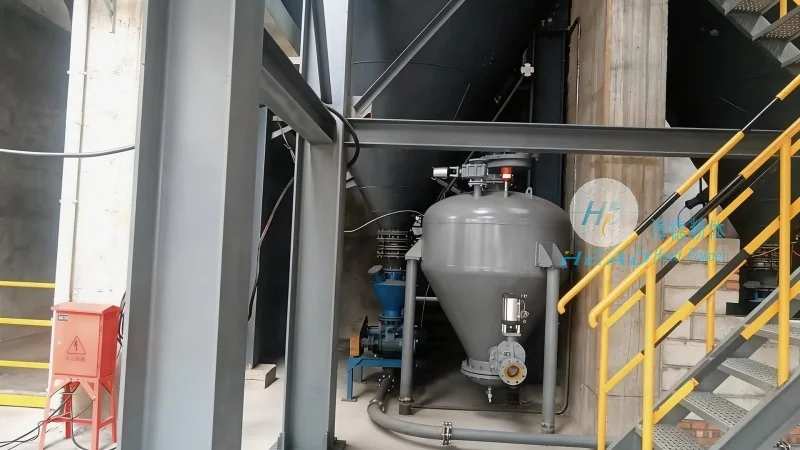
Understanding Pneumatic Conveying Technology
Pneumatic conveying is a method of transporting bulk materials through a pipeline using air or other gas as the conveying medium. Unlike mechanical systems like screw conveyors or belt conveyors, pneumatic systems are ideal for handling fine, dusty, or abrasive powders without the need for direct contact with moving parts. The core principle involves creating a pressure differential between the inlet and outlet of the system, which propels the material through the pipeline. There are two main types of pneumatic conveying: pressure and vacuum systems. Pressure systems use compressed air to push material from a source to a destination, while vacuum systems use a vacuum to pull material from a source into a receiver.
Design Principles of Ternary Positive Electrode Material Pneumatic Conveying Equipment
The design of pneumatic conveying equipment for ternary positive electrode materials must address several key factors to ensure optimal performance. First, the equipment must be constructed from materials that are resistant to corrosion and wear, as these powders often contain acidic or abrasive components. Stainless steel, high-grade alloys, and specialized coatings are commonly used to protect the system from degradation. Second, the system must be designed to minimize material degradation, as even minor agglomeration or particle size changes can significantly impact battery performance. This involves careful consideration of the conveying velocity, pipeline diameter, and pressure drop across the system. Third, the equipment must incorporate features to prevent dust emissions and ensure environmental compliance. This includes dust collection systems, sealed hoppers, and proper ventilation to maintain a safe working environment.
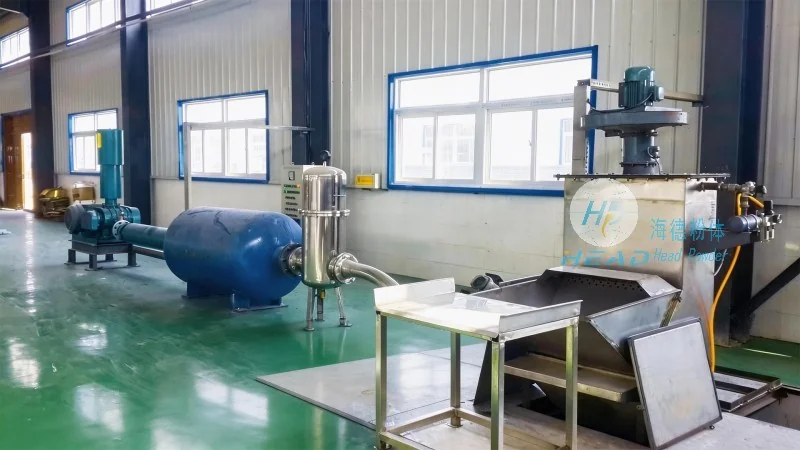
Key Components and Their Functions
A typical pneumatic conveying system for ternary positive electrode materials consists of several key components, each playing a crucial role in the overall operation. The primary components include a hopper or feeder, a blower or compressor, a pipeline system, and a receiver or silo. The hopper is designed to store and feed the material into the system, often equipped with a rotary valve or gate to control the flow rate. The blower or compressor provides the necessary air pressure or vacuum to move the material through the pipeline. The pipeline system is typically made of stainless steel or other corrosion-resistant materials and is designed with smooth, rounded bends to minimize pressure loss and prevent material buildup. The receiver is a storage vessel that collects the conveyed material, often equipped with a discharge valve or outlet to transfer the material to downstream processes.
Advantages of Using Pneumatic Conveying for Ternary Positive Electrode Materials
Compared to traditional mechanical conveying methods, pneumatic conveying offers several advantages for handling ternary positive electrode materials. One of the most significant benefits is the ability to transport materials over long distances without the need for multiple transfer points. This reduces the risk of material contamination and improves overall system efficiency. Additionally, pneumatic systems can handle fine powders with high moisture content or sticky materials, which are difficult to transport using mechanical systems. The enclosed nature of the system also minimizes dust emissions, improving workplace safety and environmental compliance. Furthermore, pneumatic conveying can be integrated with other processing equipment, such as mixing or drying units, to create a continuous production line, enhancing productivity and reducing labor costs.
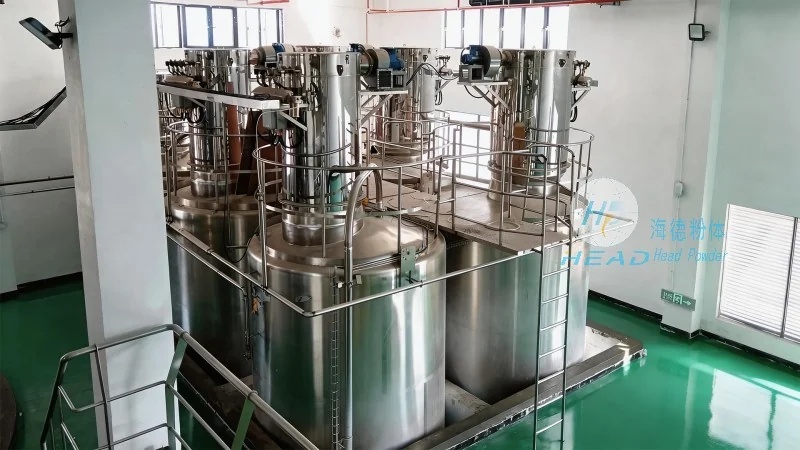
Applications in Battery Manufacturing
Ternary positive electrode material pneumatic conveying equipment is widely used in the battery manufacturing industry, particularly in the production of lithium-ion batteries for electric vehicles and renewable energy storage systems. The equipment is used to transport the fine powders from storage silos to mixing and coating lines, where they are combined with other components like conductive agents and binders to form the electrode slurry. The smooth and efficient transport of these materials is critical to maintaining consistent product quality and ensuring high battery performance. Additionally, the equipment is used in quality control processes, where samples of the material are collected and analyzed to ensure compliance with specifications.
Conclusion
In conclusion, ternary positive electrode material pneumatic conveying equipment is a vital component in the battery manufacturing process, enabling the efficient and safe handling of critical materials. The design principles of these systems focus on material integrity, system efficiency, and environmental compliance. As the demand for high-performance batteries continues to grow, the importance of reliable and effective conveying equipment will only increase. Shandong HeadPowder Engineering Co., Ltd., a leading manufacturer based in Shandong, China, specializes in designing and manufacturing such equipment, providing customized solutions to meet the specific needs of battery manufacturers. By investing in advanced pneumatic conveying systems, battery manufacturers can improve product quality, reduce costs, and enhance overall operational efficiency.