

What is a Positive Pressure Pressurized Pneumatic Material Conveying System? And What Are Its Design
Positive pressure pressurized pneumatic material conveying systems represent a sophisticated approach to material handling, particularly in industries that require efficient, dust-free, and flexible transport of bulk materials. This technology is a cornerstone for many manufacturing and processing operations, offering a reliable solution for moving powders, granules, and other particulate materials over long distances or within complex production layouts. Understanding what these systems are and the underlying design principles is crucial for businesses seeking to optimize their material handling processes.
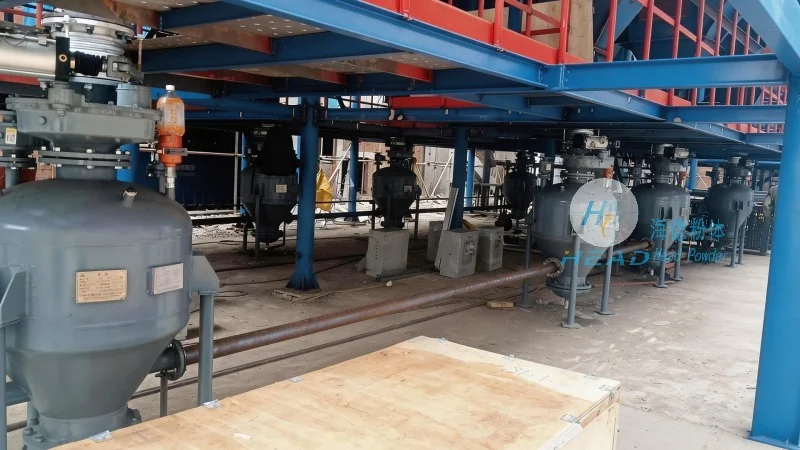
Introduction to Positive Pressure Pressurized Pneumatic Conveying
A positive pressure pressurized pneumatic conveying system operates by generating a higher pressure within the conveying line compared to the ambient environment. This pressurization is typically achieved using a positive displacement blower or a rotary lobe compressor, which forces air (or a mixture of air and other gases) through the system at a controlled pressure. The material to be conveyed is introduced into the system at the inlet, often via a hopper or feeder, and is then suspended in the air stream as it travels through the pipeline. The high-pressure air ensures that the material is propelled efficiently, minimizing the risk of blockages and ensuring consistent flow rates.
Key Components of the System
At the core of a positive pressure pressurized pneumatic conveying system are several critical components that work in tandem to ensure effective material transport. These include:
1. Blower or Compressor: This is the primary power source, responsible for generating the necessary pressure to move the material. Positive displacement blowers are commonly used due to their ability to maintain consistent pressure and flow rates, even with varying material loads. The choice of blower type (e.g., rotary lobe, roots, or sliding vane) depends on the specific material characteristics and system requirements.
2. Feeder and Hopper: The feeder is responsible for introducing the material into the conveying line at a controlled rate. Hoppers are used to store the bulk material and provide a consistent feed to the feeder. Proper design of the feeder and hopper is essential to prevent material bridging or segregation, which can lead to uneven flow and system inefficiencies.
3. Conveying Pipeline: The pipeline is typically made of materials such as stainless steel, aluminum, or plastic, depending on the material being conveyed and the operating conditions. The pipeline is designed to withstand the high pressure and ensure minimal pressure drop over the conveying distance. The diameter and length of the pipeline are critical factors that affect the system's performance and efficiency.
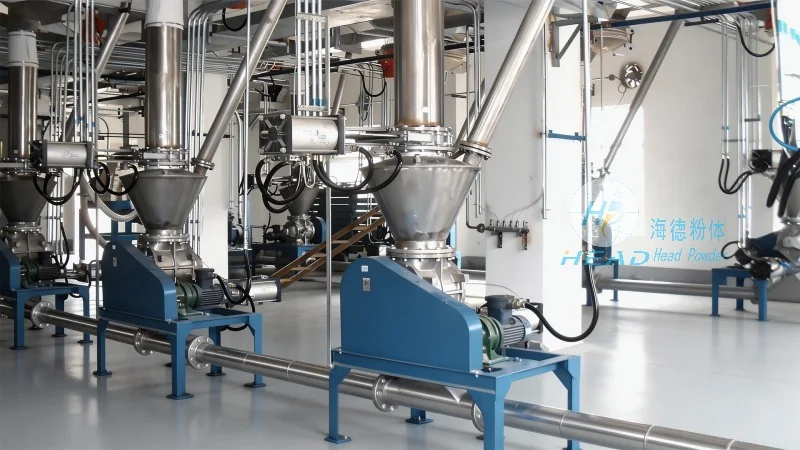
4. Control Valves and Regulators: These components are used to regulate the flow of air and material within the system. They allow for adjustments to pressure, flow rate, and material feed rate, enabling operators to optimize the system for different material types and production demands. Proper control of these variables is essential to prevent system overload and ensure smooth operation.
5. Filter and Dust Collection System: As the material is conveyed through the air stream, fine particles can be entrained and require filtration. The filter and dust collection system is responsible for capturing these particles and returning clean air to the blower, ensuring compliance with environmental regulations and maintaining system efficiency.
Design Principles and Considerations
The design of a positive pressure pressurized pneumatic conveying system involves several key principles and considerations to ensure optimal performance and reliability. These include:
1. Material Characterization: Before designing the system, it is essential to characterize the material being conveyed. This includes determining the particle size distribution, density, moisture content, and flow properties (e.g., angle of repose, cohesion). These properties directly impact the system's design, including the choice of blower, feeder, and pipeline diameter. For example, cohesive materials may require higher pressure or specialized feeding mechanisms to prevent blockages.
2. System Sizing and Pressure Drop Calculation: The system's capacity and pressure requirements are determined based on the material's flow rate, conveying distance, and pipeline configuration. The pressure drop along the pipeline is a critical factor, as it determines the power required by the blower and the overall system efficiency. Engineers use empirical formulas and computational fluid dynamics (CFD) simulations to calculate the pressure drop and ensure that the system operates within safe and efficient parameters.
3. Flow Rate and Velocity Optimization: The air velocity within the pipeline is a key design parameter. It must be high enough to keep the material suspended and prevent settling, but not so high as to cause excessive wear on the pipeline or increase energy consumption. The optimal velocity is typically determined based on the material's properties and the pipeline diameter. For example, a higher velocity may be required for fine powders to prevent caking, while a lower velocity may be sufficient for larger granules.
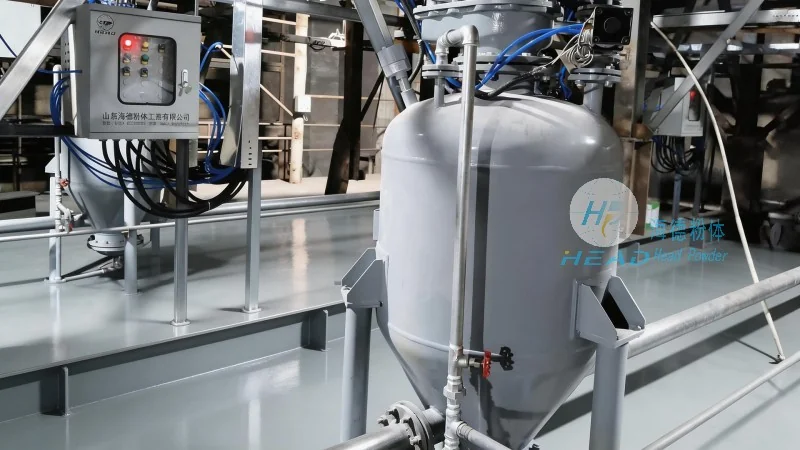
4. System Layout and Integration: The layout of the conveying system is critical to its efficiency and reliability. The system should be designed to minimize the number of bends and changes in direction, as these can cause pressure losses and increase the risk of blockages. Additionally, the system should be integrated with the existing production layout to ensure smooth material flow from the source to the destination. This may involve incorporating vertical lifts, horizontal runs, or even complex network configurations to meet the specific needs of the facility.
5. Safety and Environmental Compliance: Positive pressure systems are designed with safety in mind, as they operate at elevated pressures. Proper pressure relief valves and safety interlocks are included to prevent over-pressurization and ensure operator safety. Additionally, the system must comply with environmental regulations regarding dust emissions and air quality. The filter and dust collection system is a critical component in meeting these requirements, ensuring that the system operates in an environmentally responsible manner.
Advantages of Positive Pressure Pressurized Pneumatic Conveying
Positive pressure pressurized pneumatic conveying systems offer several advantages over other material handling methods, making them a preferred choice for many industries. These include:
1. Efficiency and Flexibility: The systems can transport materials over long distances and through complex layouts with minimal loss of material. They are highly flexible, allowing for changes in production requirements without significant modifications to the system. This makes them ideal for facilities that need to adapt to changing product lines or production volumes.
2. Dust-Free Operation: Unlike manual handling or open conveyors, positive pressure systems operate in a closed environment, preventing dust and particulate emissions. This not only improves workplace safety but also helps in maintaining a clean and hygienic production environment, which is particularly important in industries such as food, pharmaceuticals, and chemicals.