

What is a Plugging Type Bulk Material Pneumatic Conveying System? And What Are Its Design Principles
A plugging type bulk material pneumatic conveying system is a specialized industrial solution designed to transport bulk materials through a pipeline using a combination of air and material flow. This method is particularly effective for handling materials that are prone to bridging, caking, or segregation, which can cause blockages in traditional pneumatic conveying systems. The core of this technology lies in the creation of "plugs"—dense, solid columns of material that move through the pipeline, separated by air pockets. This unique mechanism ensures efficient and reliable material transport, making it suitable for a wide range of applications in industries such as food, chemicals, pharmaceuticals, and mining.
Design Principles of Plugging Type Pneumatic Conveying Systems
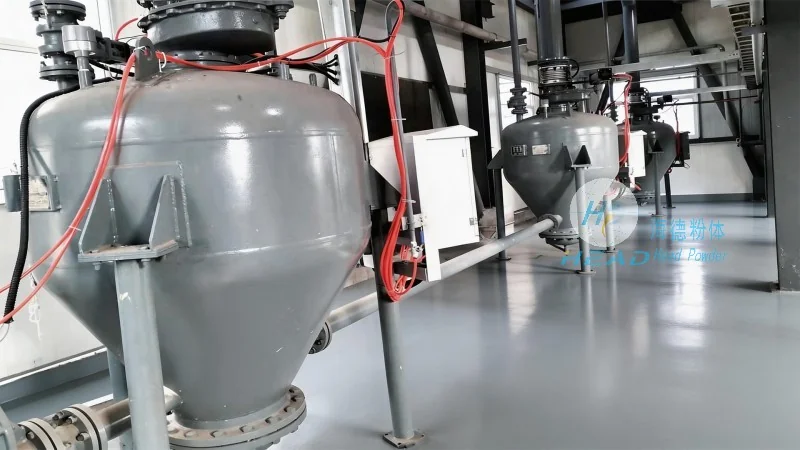
The design of a plugging type system is centered on the principle of plug formation and movement. The system typically operates in a closed loop, where air is supplied under pressure to push the material forward. The key components include a hopper, a plunger or piston mechanism, and a pipeline network. The hopper feeds the material into the system, and the plunger, controlled by a pneumatic or electric actuator, compresses the material into a plug. The plug then travels through the pipeline, with air pockets preceding and following it to maintain flow. The design must consider factors such as material properties (e.g., particle size, moisture content, flowability), pipeline length and diameter, and the required conveying capacity. Engineers must calculate the optimal air pressure and flow rates to ensure stable plug formation and prevent plug collapse or air leakage.
Key Components and Their Functions
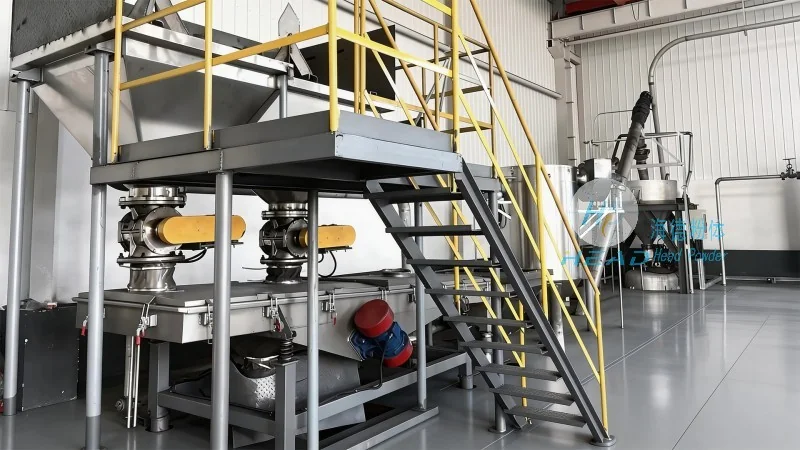
Several critical components work together to ensure the efficient operation of a plugging type pneumatic conveying system. The hopper serves as the material storage and feeding unit, ensuring a consistent supply of bulk material. The plunger or piston mechanism is the heart of the system, responsible for compressing the material into plugs. This component is typically made of durable materials like stainless steel or high-grade plastic to withstand the pressure and abrasion from the material. The pipeline network, usually made of corrosion-resistant materials such as stainless steel or PVC, carries the plugs and air. The system also includes air compressors, which provide the necessary pressure to move the plugs, and control valves that regulate air flow and pressure. Additionally, sensors and monitoring systems are often integrated to detect plug formation, air pressure, and material flow, allowing for real-time adjustments and system optimization.
Advantages of Plugging Type Pneumatic Conveying
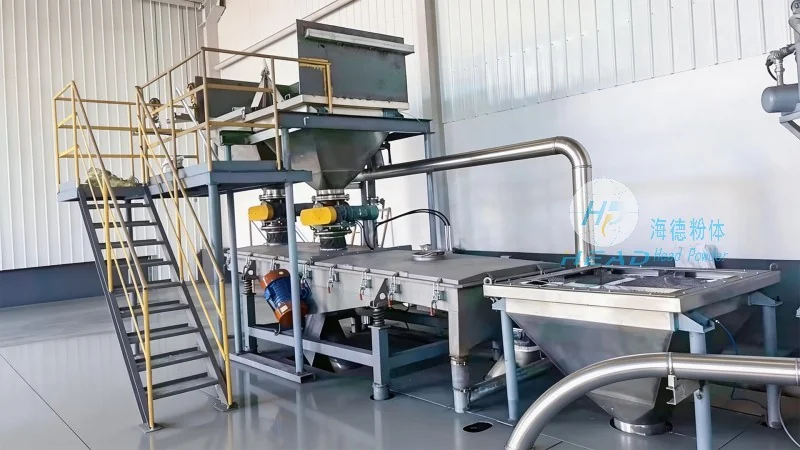
Compared to other pneumatic conveying methods, plugging type systems offer several advantages. First, they are highly effective in handling difficult-to-transport materials, such as those with high moisture content or fine particles, which are prone to caking or bridging in traditional systems. The plug formation prevents material segregation and ensures uniform flow, maintaining product quality. Second, the system is energy-efficient, as it uses less air pressure and flow compared to other pneumatic conveying methods, reducing operational costs. Third, the closed-loop design minimizes material loss and environmental contamination, making it suitable for applications where material purity is critical, such as in the food and pharmaceutical industries. Finally, the system is relatively simple to install and maintain, with fewer moving parts compared to other bulk material handling systems.
Applications in Various Industries
Plugging type bulk material pneumatic conveying systems are widely used across multiple industries due to their versatility and effectiveness. In the food industry, they are used to transport ingredients like flour, sugar, and spices, ensuring that the materials remain fresh and free from contamination. In the chemical industry, they handle powders and granules, such as fertilizers and pigments, with precision and efficiency. The pharmaceutical industry benefits from the system's ability to transport active pharmaceutical ingredients (APIs) and other sensitive materials, maintaining their purity and integrity. In the mining and mineral processing sector, plugging type systems are used to transport ores and concentrates, improving productivity and reducing downtime caused by blockages. Additionally, they are used in the agricultural sector to transport seeds, grains, and animal feed, supporting efficient farming operations.
Conclusion and Company Overview
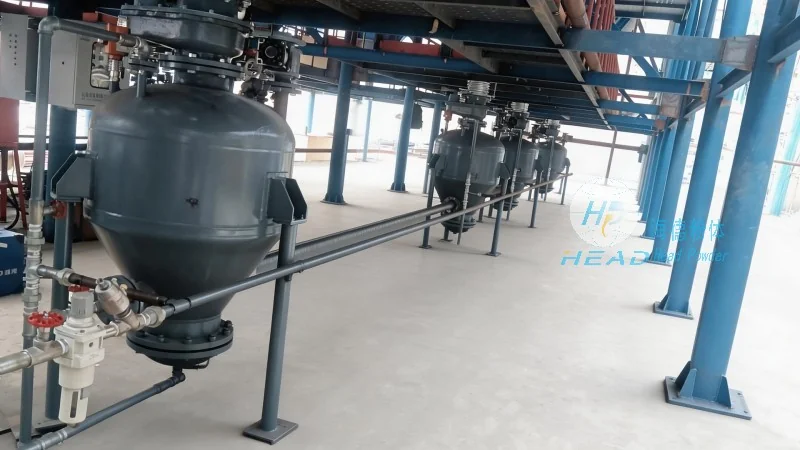
Plugging type bulk material pneumatic conveying systems represent a sophisticated solution for the reliable and efficient transport of bulk materials. Their design, centered on plug formation and movement, addresses the challenges of material handling in various industries. By combining advanced engineering principles with robust components, these systems provide a cost-effective and environmentally friendly alternative to traditional bulk material transport methods. As a leading provider in this field, Shandong HeadPowder Engineering Co., Ltd. specializes in designing and manufacturing plugging type pneumatic conveying systems tailored to the specific needs of different industries. With a focus on quality, innovation, and customer satisfaction, the company serves clients across China and beyond, helping them optimize their material handling processes and improve overall operational efficiency.