

What is an Automatic Weighing Material Pneumatic Conveying Line? What Are Its Design Principles?
Automatic weighing material pneumatic conveying lines are advanced industrial systems designed to transport bulk materials from one location to another while simultaneously measuring and recording the weight of the material being conveyed. These systems integrate pneumatic conveying technology with precision weighing mechanisms, making them essential in various industries where accurate material handling and control are critical. The primary function of such a line is to ensure that materials are moved efficiently and reliably, while providing real-time data on the quantity being transported. This integration of transport and weighing capabilities streamlines production processes and enhances operational efficiency.
Design Principles of Pneumatic Conveying Systems
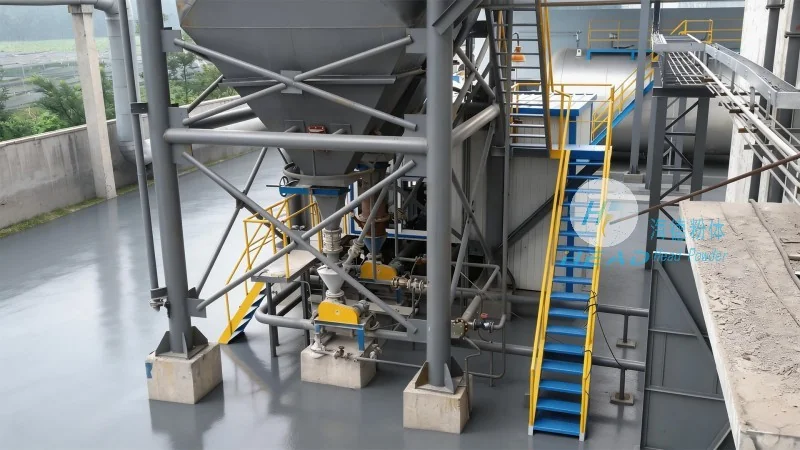
The design of an automatic weighing material pneumatic conveying line is based on several fundamental principles of fluid dynamics and mechanical engineering. At its core, the system uses compressed air or other gases to create a flow that propels bulk materials through a network of pipes. The key design principles include the selection of appropriate air pressure, the configuration of the conveying pipeline (including the use of vertical and horizontal sections), and the integration of a weighing hopper or scale at the receiving end. The weighing component is typically a load cell or a similar sensor that measures the weight of the material as it accumulates in the hopper. The system also incorporates control mechanisms to regulate the flow rate and pressure, ensuring that the material is conveyed at a consistent and controlled speed. This design ensures that the material is transported without excessive pressure or velocity, minimizing product degradation and wear on the equipment.
Key Components and Their Functions
Several critical components make up an automatic weighing material pneumatic conveying line. The primary components include the air compressor or blower, which provides the necessary pressure to move the material; the conveying pipes, which form the path for the material transport; the material feed hopper, which holds the bulk material before it is introduced into the system; the weighing hopper or scale, which measures the weight of the conveyed material; and the control panel, which manages the operation of the system. The air compressor is responsible for generating the airflow, while the conveying pipes are designed to handle the specific characteristics of the material being transported, such as particle size, density, and moisture content. The material feed hopper ensures a consistent flow of material into the system, preventing blockages or uneven feeding. The weighing hopper is equipped with load cells that convert the weight of the material into an electrical signal, which is then processed by the control system to provide accurate weight measurements. The control panel allows operators to monitor and adjust the system parameters, such as air pressure and flow rate, to optimize performance. Additionally, the system may include filters and cyclones to separate the material from the air and prevent dust accumulation, ensuring clean and efficient operation.
Application Scenarios and Industry Use Cases
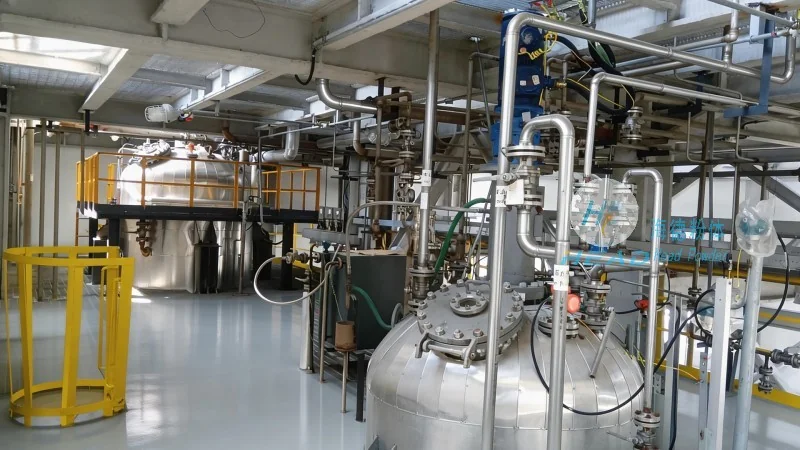
Automatic weighing material pneumatic conveying lines are widely used in various industries where bulk materials need to be transported and weighed accurately. Common applications include the chemical industry, where powders and granules are transported between processing units and storage tanks; the food and beverage industry, where ingredients like flour, sugar, and spices are moved from storage to production lines; the pharmaceutical industry, where raw materials and active ingredients are handled with high precision and hygiene; and the mining and minerals industry, where ores and other bulk materials are transported from processing plants to storage or shipping facilities. In these industries, the ability to convey materials while simultaneously measuring their weight is crucial for maintaining production efficiency, ensuring product quality, and complying with regulatory requirements. For example, in a chemical plant, the system can be used to transport raw chemicals from a storage silo to a reactor, with the weighing hopper providing real-time data on the amount of material being added, allowing for precise control of the reaction process. Similarly, in a food processing facility, the system can ensure that the correct amount of ingredients is added to a production batch, maintaining product consistency and meeting quality standards.
Advantages of This System
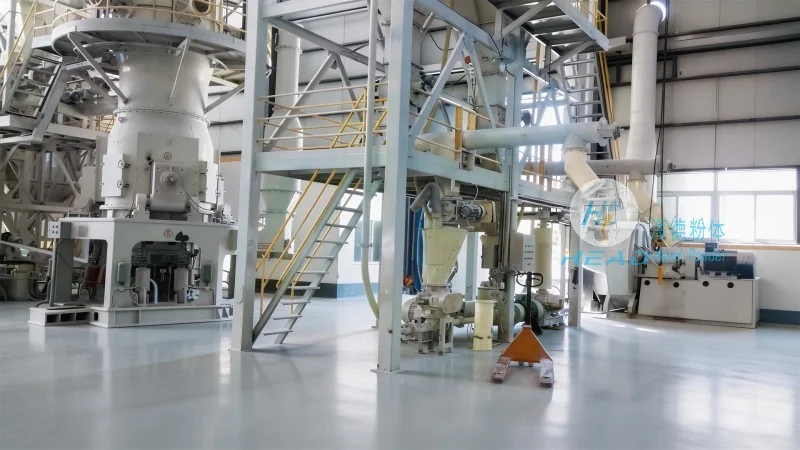
There are several advantages to using an automatic weighing material pneumatic conveying line over traditional methods of material handling. One of the main advantages is the high level of automation, which reduces the need for manual labor and minimizes the risk of human error. The system can operate continuously without interruption, ensuring a steady flow of materials and consistent production output. Another advantage is the precision and accuracy of the weighing mechanism, which provides reliable data on the quantity of material being transported. This accuracy is essential for maintaining inventory levels, controlling production processes, and meeting customer orders. The system also offers flexibility in terms of material handling, as it can be adapted to transport a wide range of materials, from fine powders to coarse granules. Additionally, the pneumatic conveying method is less likely to cause product contamination compared to other methods, such as belt conveyors or bucket elevators, which is particularly important in industries like food and pharmaceuticals where hygiene is a top priority. The system also reduces the risk of material spillage and dust emissions, improving workplace safety and environmental compliance. Overall, the combination of efficient material transport and accurate weighing makes this system a valuable asset for any industrial operation.
Company Information: Shandong HeadPowder Engineering Co., Ltd.
Shandong HeadPowder Engineering Co., Ltd. is a leading manufacturer and supplier of industrial material handling equipment, including automatic weighing material pneumatic conveying lines. The company is based in Shandong, China, and has a strong reputation for providing high-quality, reliable, and efficient solutions for material handling needs. With years of experience in the industry, HeadPowder has developed a range of products that are tailored to meet the specific requirements of various industries. The company's products are designed and manufactured using advanced technology and rigorous quality control processes, ensuring that they meet the highest standards of performance and durability. HeadPowder's team of engineers and technicians work closely with clients to understand their specific needs and provide customized solutions that enhance their operational efficiency and productivity. The company also offers comprehensive after-sales support, including installation, maintenance, and technical assistance, to ensure that clients can maximize the benefits of their equipment. With a commitment to innovation and customer satisfaction, Shandong HeadPowder Engineering Co., Ltd. is a trusted partner for businesses looking to improve their material handling processes.