

What is the Pneumatic Conveying Equipment for Negative Electrode Material Granules? Exploring Its De
For companies in the battery manufacturing industry, the efficient and reliable transportation of negative electrode material granules is crucial. This is where specialized pneumatic conveying equipment plays a vital role. In this article, we will explore what this equipment is and delve into its core design principles.
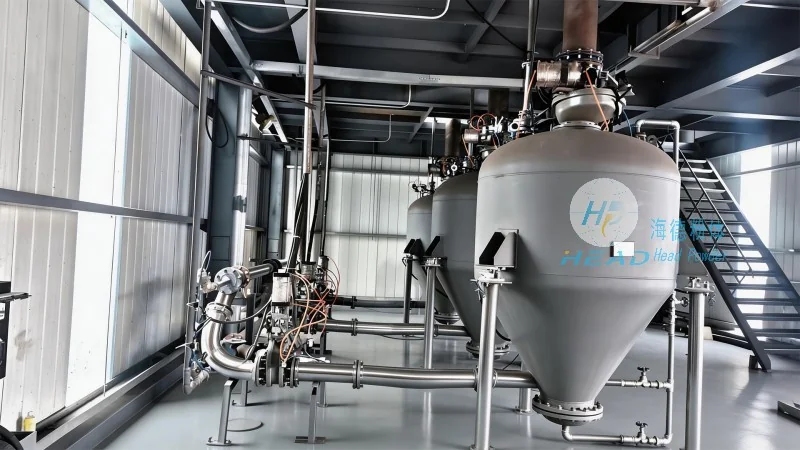
Pneumatic Conveying Equipment for Negative Electrode Material Granules: An Overview
Pneumatic conveying equipment is a system designed to transport bulk materials, such as granular negative electrode materials, through a pipeline using air or other gases. The equipment is engineered to handle materials that are difficult to transport via traditional methods, like belt conveyors or bucket elevators, due to their properties like abrasiveness, dustiness, or sensitivity to moisture and oxidation. For negative electrode materials, which often include graphite, silicon carbide, or other carbon-based compounds, this equipment ensures a clean, dust-free, and controlled transfer process.
Key Design Principles of the Equipment
The design of pneumatic conveying equipment for negative electrode materials is based on several fundamental principles to ensure optimal performance and material integrity. First, the system must be capable of generating sufficient air pressure or vacuum to move the granules through the pipeline. This is typically achieved through a combination of positive pressure (air is blown into the system) or negative pressure (air is drawn out). The choice of pressure type depends on the material's characteristics and the distance to be conveyed.
Second, the equipment must include a reliable feeding mechanism. For negative electrode granules, which can be fine or irregularly shaped, a rotary valve or a screw feeder is commonly used to ensure a consistent and controlled feed rate. This prevents material bridging or blockages in the hopper and ensures a steady flow into the conveying line.
Third, the pipeline design is critical. The material of the pipeline (e.g., stainless steel, aluminum, or plastic) must be chosen based on the chemical compatibility of the negative electrode material and the need for durability against abrasion. The pipeline diameter and length are also carefully calculated to maintain the required air velocity, which is essential for preventing material settling or clogging.
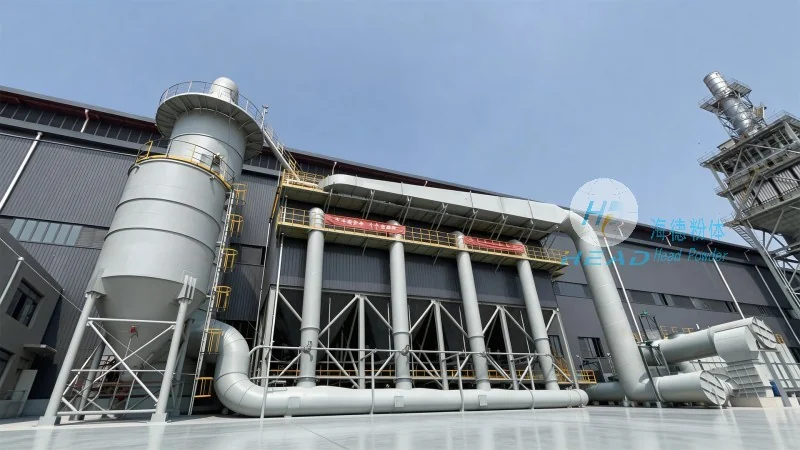
Fourth, the system incorporates a separation and collection unit. After the granules are transported to the destination, the equipment must effectively separate the material from the air stream. This is usually done using a cyclone separator or a bag filter, which captures the granules and returns them to the process while allowing the air to be discharged or recycled.
Application in Negative Electrode Material Processing
In the production of lithium-ion batteries, negative electrode materials are a key component. These materials are often produced in large batches and need to be transferred from storage silos to mixing or coating lines. Pneumatic conveying equipment provides a seamless solution for this step. By using this equipment, manufacturers can avoid the contamination risks associated with manual handling and the wear and tear on equipment caused by traditional mechanical conveyors.
The equipment is also suitable for transporting materials between different stages of the battery production line, such as from the grinding and classification process to the mixing and slurry preparation stage. This ensures that the material remains in its optimal state, with minimal degradation or agglomeration, which is critical for battery performance.
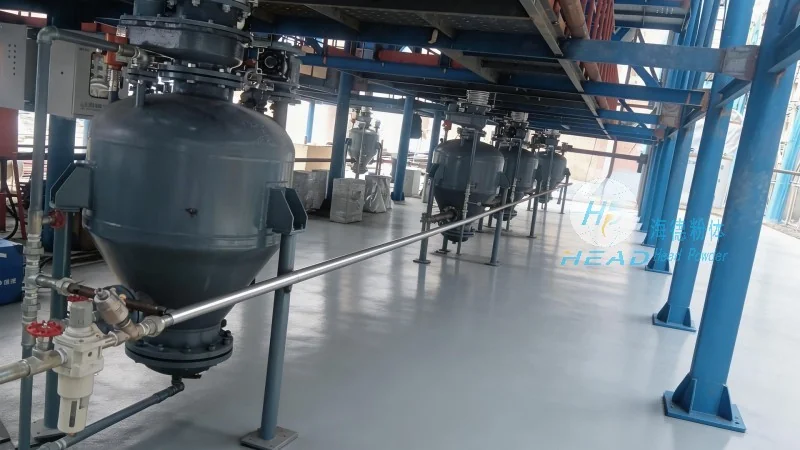
Advantages of Using This Equipment
There are several advantages to employing pneumatic conveying equipment for negative electrode material granules. First, it offers a high degree of automation, reducing the need for manual labor and minimizing human error. This leads to increased production efficiency and consistency in the final product.
Second, the system is clean and hygienic. Unlike mechanical conveyors that can generate dust and cause contamination, pneumatic conveying keeps the material enclosed within the pipeline, preventing dust from escaping into the environment and ensuring that the material remains pure. This is particularly important for negative electrode materials, which can be sensitive to impurities.
Third, the equipment is flexible and can be adapted to various production needs. It can handle different material types and sizes, and the conveying distance can be adjusted by modifying the pipeline length or air pressure. This makes it a versatile solution for battery manufacturers with diverse production requirements.
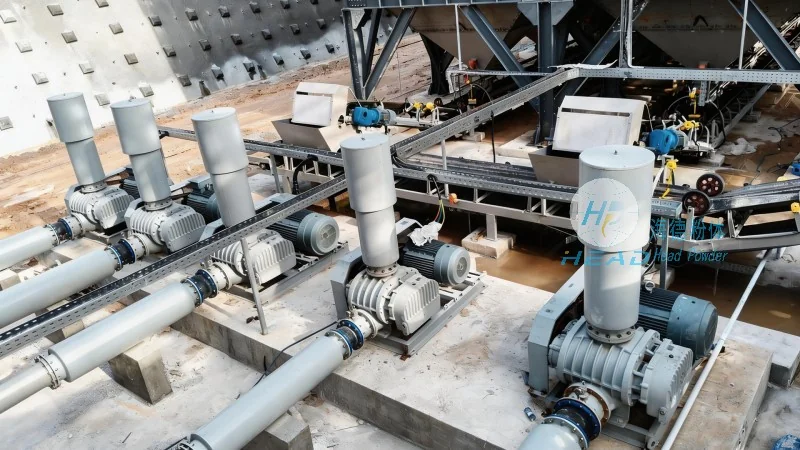
Fourth, the system is energy-efficient compared to some other conveying methods. By using compressed air, the equipment can transport materials over long distances with relatively low energy consumption, making it a cost-effective option for large-scale operations.
Technical Specifications and Components
Shandong HeadPowder Engineering Co., Ltd., a leading manufacturer in this field, provides pneumatic conveying equipment tailored to the specific needs of negative electrode material processing. The company's equipment typically includes components such as a hopper with a rotary valve, a pressure or vacuum pump, a pipeline system with appropriate diameter and material, and a cyclone separator or bag filter for material recovery.
The technical specifications of the equipment vary based on the production scale and material characteristics. For example, the conveying capacity can range from a few kilograms per hour to several tons per hour, depending on the system's design. The air pressure is usually adjustable, allowing operators to optimize the conveying speed for different material types. The pipeline diameter may be 50mm to 200mm, and the length can extend to hundreds of meters, depending on the layout of the production facility.
Shandong HeadPowder Engineering Co., Ltd., based in Shandong, China, specializes in engineering solutions for powder and granular material handling. The company's expertise in material science and pneumatic technology ensures that their equipment meets the stringent requirements of the battery industry, providing reliable and efficient transportation of negative electrode materials.