

What is the Pneumatic Conveying Equipment for Sodium Sulfate Powder? And What Are Its Design Princip
HeadPowder, a leading engineering company based in Shandong, China, specializes in the design and manufacturing of advanced pneumatic conveying systems tailored for handling bulk materials like sodium sulfate powder. This article delves into the specifics of such equipment, exploring its functionality and the underlying design principles that ensure efficient and reliable material transport.
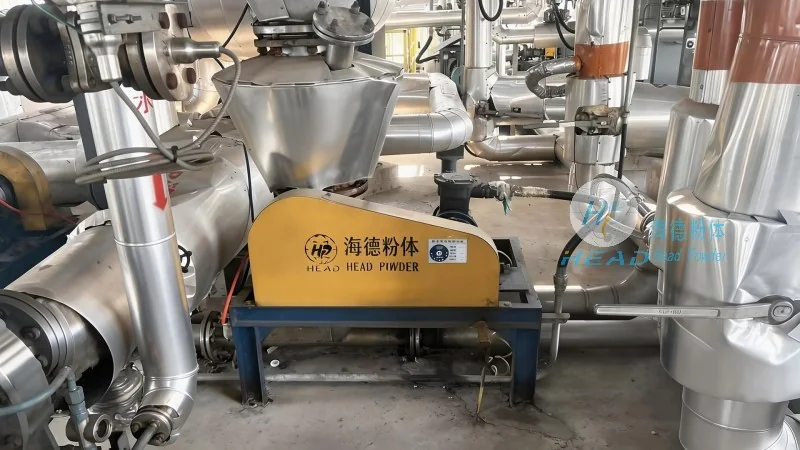
Pneumatic Conveying Equipment for Sodium Sulfate Powder: An Overview
Pneumatic conveying equipment is a critical component in industrial processes where sodium sulfate powder needs to be moved from one location to another without the use of mechanical components like belts or buckets. The system typically consists of a hopper, a conveyor line, and a receiver, all connected by a network of pipes. The primary function is to use compressed air or gas to create a flow that transports the powder through the system. This method is particularly advantageous for sodium sulfate powder due to its fine particle size and the need to avoid contamination or degradation during transport.
Key Components of the Pneumatic Conveying System
The effectiveness of a pneumatic conveying system for sodium sulfate powder hinges on several key components, each designed to optimize performance and ensure the material is handled safely and efficiently. The hopper serves as the storage and feeding unit, where the powder is loaded and then fed into the conveying line. It is equipped with a feeder, often a rotary valve or a screw feeder, which controls the flow rate of the powder into the system. The conveyor line itself is made of materials resistant to corrosion and abrasion, as sodium sulfate powder can be mildly abrasive and may contain moisture that could cause corrosion over time. The receiver is the final destination where the powder is deposited, and it is designed to prevent dust emissions and maintain a clean environment.
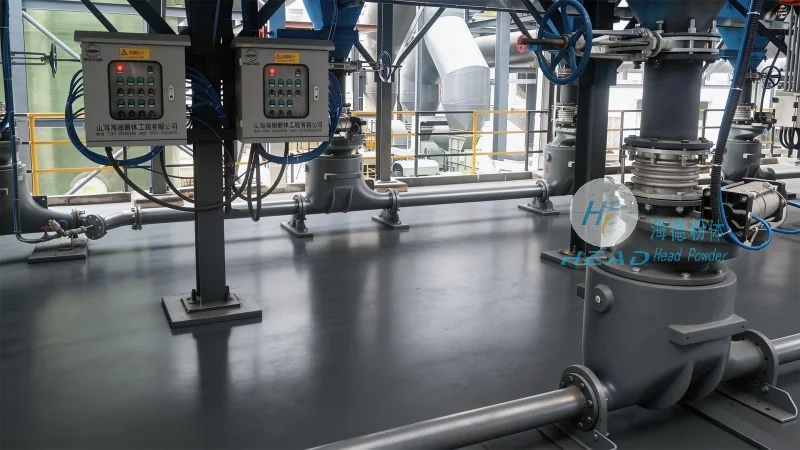
Design Principles for Efficient Sodium Sulfate Powder Conveying
The design of a pneumatic conveying system for sodium sulfate powder is guided by several fundamental principles aimed at maximizing efficiency, minimizing energy consumption, and ensuring the longevity of the equipment. One of the core principles is the selection of the appropriate conveying velocity. The velocity must be high enough to overcome the resistance of the powder particles in the pipe but not so high as to cause excessive wear or pressure drops. Engineers typically calculate the required velocity based on the particle size, density, and flow rate of the sodium sulfate powder. Another critical principle is the use of appropriate pipe diameters and lengths. The pipe diameter is chosen to balance the flow rate with the pressure drop, ensuring that the system operates within the optimal pressure range. The length of the conveyor line is also optimized to minimize the number of bends and transitions, as each bend introduces additional resistance and can cause particle segregation.
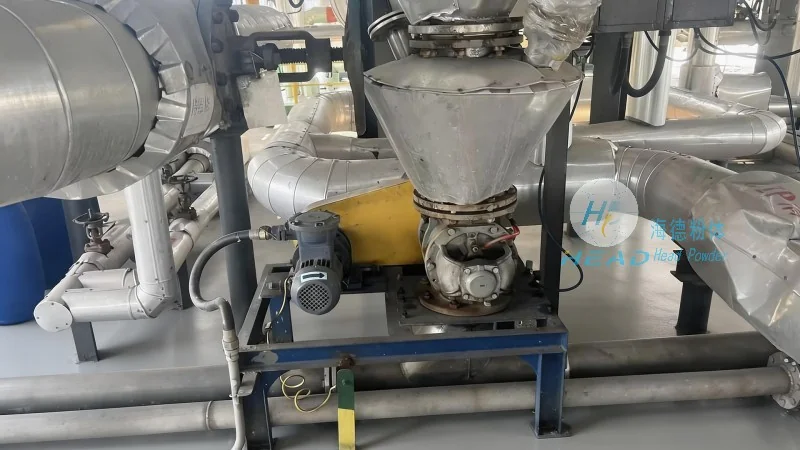
Advantages of Pneumatic Conveying for Sodium Sulfate Powder
Compared to traditional mechanical conveying methods, pneumatic conveying offers several advantages when handling sodium sulfate powder. One of the most significant benefits is the ability to transport the material over long distances without the need for intermediate storage or transfer points. This reduces the risk of contamination and improves process efficiency. Additionally, pneumatic systems are more flexible in terms of layout, allowing for changes in the conveyor path without major modifications to the infrastructure. The enclosed nature of the system also helps in controlling dust emissions, which is crucial for maintaining a safe and compliant working environment. Furthermore, the system can be easily integrated with other process equipment, such as mixers or reactors, enabling seamless material flow within the production line.
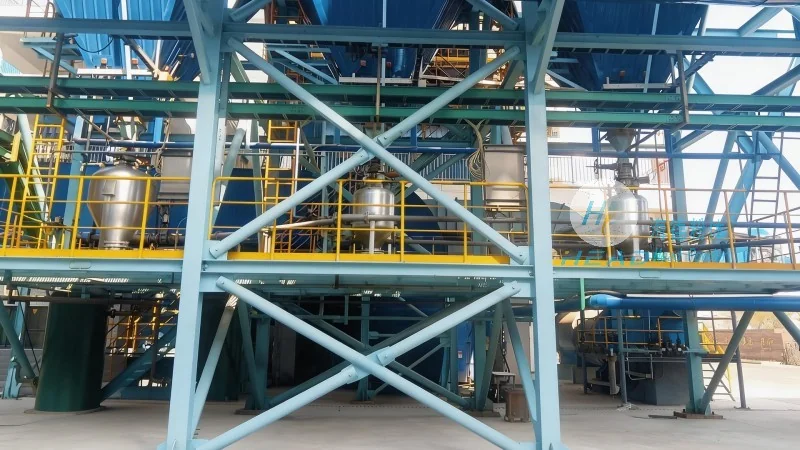
Considerations for System Maintenance and Operation
Proper maintenance and operation of the pneumatic conveying equipment for sodium sulfate powder are essential to ensure long-term reliability and performance. Regular cleaning of the hopper, feeder, and conveyor line is necessary to prevent the buildup of powder residue, which can affect the flow rate and cause blockages. The compressed air system must also be maintained to ensure consistent pressure and quality, as contaminants in the air can lead to particle degradation or equipment damage. Monitoring the system's pressure and flow rates during operation helps in identifying any issues early, allowing for timely adjustments or repairs. Additionally, training operators on the proper use and maintenance of the equipment is crucial to prevent accidents and ensure optimal performance.
Conclusion
In conclusion, the pneumatic conveying equipment for sodium sulfate powder is a sophisticated system designed to handle bulk materials efficiently and safely. The design principles, including the selection of appropriate components, velocity, and pipe dimensions, are critical to achieving optimal performance. The advantages of this system, such as flexibility, enclosed transport, and reduced contamination risk, make it a preferred choice in many industrial applications. With proper maintenance and operation, such systems can provide reliable and long-lasting service, contributing to the overall efficiency of the production process.