

What is the pneumatic conveying equipment for lightweight aggregate materials? What are its design p
Lightweight aggregate materials, such as expanded perlite, vermiculite, and other porous or low-density particles, are widely used in construction, industrial applications, and environmental remediation. The efficient and reliable transportation of these materials is crucial for maintaining production efficiency and ensuring product quality. Pneumatic conveying equipment has emerged as a key solution for handling lightweight aggregate materials due to its ability to transport materials in a closed system, minimizing dust emissions and contamination.
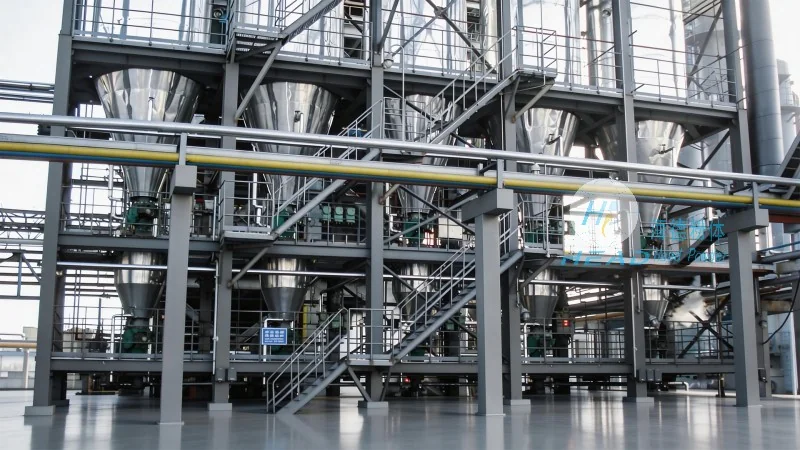
Introduction to Pneumatic Conveying Equipment for Lightweight Aggregate Materials
Pneumatic conveying systems are designed to transport bulk materials through a pipeline using air or other gas as the conveying medium. For lightweight aggregate materials, which often have low bulk density and can be prone to segregation or dusting, specialized equipment is required to ensure stable and efficient flow. The core components of a pneumatic conveying system typically include a material hopper, a feeding mechanism, a conveying line, a separation or collection system, and a gas supply unit. Each component plays a critical role in the overall performance of the system.
Design Principles of Pneumatic Conveying Equipment
The design of pneumatic conveying equipment for lightweight aggregate materials is guided by several key principles to optimize performance, energy efficiency, and material handling capabilities. These principles include:
1. Material Characteristics Consideration: The design must account for the specific properties of the lightweight aggregate, such as particle size distribution, bulk density, and flowability. For example, materials with high air permeability or low bulk density may require higher air velocities or specialized hopper designs to prevent bridging or clogging.
2. System Pressure and Velocity: The pressure and velocity of the conveying air are critical parameters. Higher air velocities can improve conveying efficiency but may increase energy consumption and cause more wear on components. The optimal pressure and velocity are determined based on the material's characteristics and the system's layout.
3. Conveying Line Design: The pipeline design, including diameter, length, and bends, directly impacts the system's performance. Properly sized and routed pipelines minimize pressure drop and ensure smooth material flow. The use of smooth, corrosion-resistant materials for the pipeline is essential to prevent material buildup and maintain system efficiency.
4. Feeding and Discharge Mechanisms: The feeding mechanism, such as a rotary valve or screw feeder, must be designed to provide a consistent and controlled flow of material into the conveying line. The discharge system, including cyclones or filters, is crucial for separating the conveyed material from the air and preventing dust emissions.
Components and Functionality of Pneumatic Conveying Systems
HeadPowder, a leading manufacturer of pneumatic conveying equipment, offers comprehensive solutions tailored to the needs of lightweight aggregate material handling. The company's products are designed with precision engineering to meet the unique challenges of transporting these materials. Key components of their systems include:
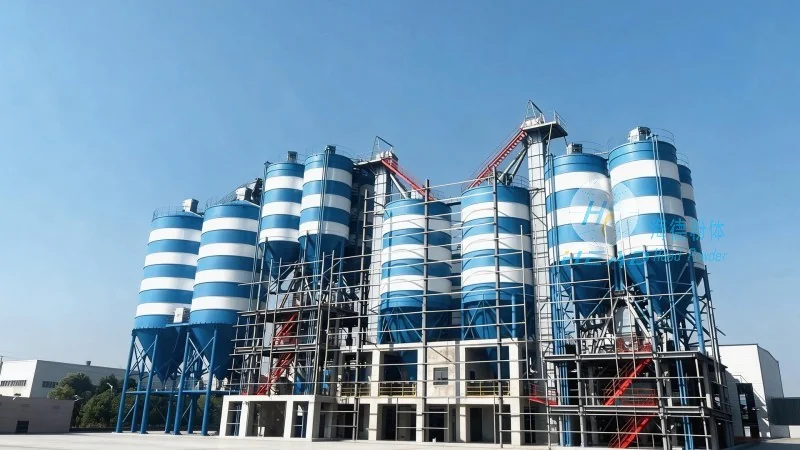
1. Material Hopper and Feeding System: The hopper is equipped with a feeding mechanism that ensures a steady flow of lightweight aggregate into the conveying line. This component is critical for preventing material bridging and ensuring consistent material delivery.
2. Conveying Line and Air Supply Unit: The pipeline is constructed from high-quality materials to withstand the pressure and flow of air and material. The air supply unit, including a blower or compressor, provides the necessary pressure and volume of air to move the material through the system.
3. Separation and Collection System: The system includes cyclones or filters that separate the lightweight aggregate from the air, ensuring that the material is collected efficiently and without contamination. This component is essential for maintaining product quality and compliance with environmental regulations.
Advantages of Pneumatic Conveying Equipment for Lightweight Aggregate Materials
Using pneumatic conveying equipment for lightweight aggregate materials offers several advantages over traditional methods, such as bucket elevators or belt conveyors. These advantages include:
1. Reduced Dust and Contamination: The closed system design minimizes dust emissions and prevents contamination from external sources, ensuring that the material remains clean and free from impurities.
2. Improved Material Flow and Uniformity: The consistent flow of material through the system helps maintain uniformity in the final product, which is crucial for applications where material consistency is critical.
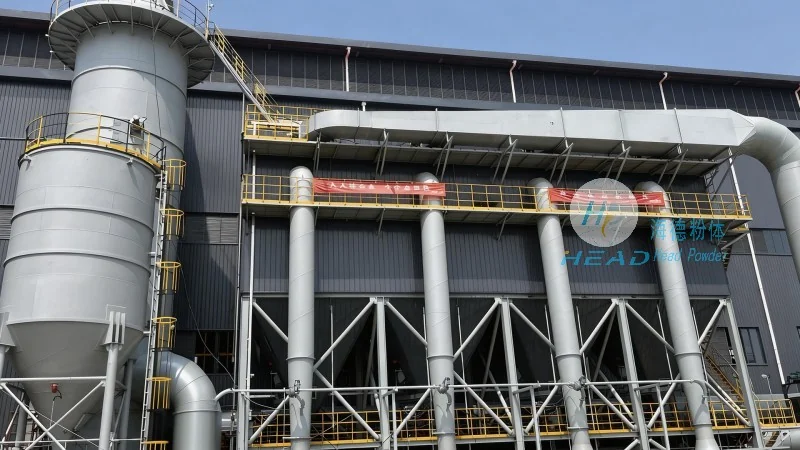
3. Energy Efficiency: Modern pneumatic conveying systems are designed to be energy-efficient, with optimized air velocities and pressure levels that reduce operational costs.
4. Space Efficiency: The compact design of pneumatic conveying systems allows for installation in limited spaces, making them suitable for various industrial settings.
Applications of Pneumatic Conveying Equipment in Lightweight Aggregate Handling
Pneumatic conveying equipment is widely used in various applications involving lightweight aggregate materials. Some common applications include:
1. Construction Materials Processing: In the production of lightweight concrete, aerated concrete blocks, and other construction materials, pneumatic conveying systems are used to transport raw materials such as perlite, vermiculite, and sand from storage to processing equipment.
2. Industrial Manufacturing: In industries that use lightweight aggregate materials for insulation, filtration, or as a filler in composite products, pneumatic conveying ensures efficient and clean material handling.
3. Environmental Remediation: For handling lightweight aggregate materials used in soil remediation or as part of filtration systems, pneumatic conveying provides a reliable and contamination-free method of material transport.
Conclusion
Pneumatic conveying equipment for lightweight aggregate materials is a sophisticated and effective solution for material handling in various industries. The design principles and components of these systems are tailored to the unique properties of lightweight aggregates, ensuring efficient, clean, and reliable transportation. HeadPowder, with its expertise in engineering and manufacturing, provides high-quality pneumatic conveying solutions that meet the demanding requirements of modern material handling applications. By leveraging the advantages of pneumatic conveying, industries can improve production efficiency, maintain product quality, and reduce operational costs.