

What is a Colored Sand Material Pneumatic Conveying System? What are its Design Principles?
Colored sand, also known as decorative sand or colored quartz sand, is widely used in various industries including construction, painting, and landscaping. The efficient and reliable transportation of colored sand from storage to processing or application points is crucial for maintaining production efficiency and product quality. Pneumatic conveying systems have emerged as a preferred solution for handling colored sand due to their ability to transport materials in a dust-free, controlled manner. This article explores the concept of a colored sand material pneumatic conveying system and delves into its fundamental design principles.
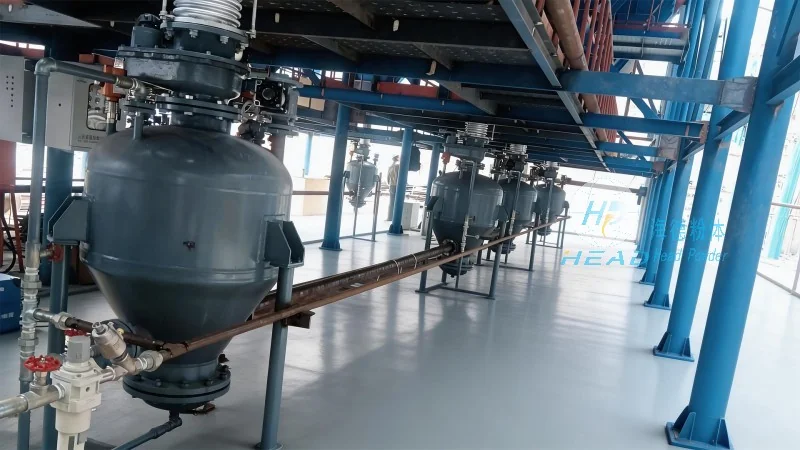
Introduction to Colored Sand Pneumatic Conveying Systems
A colored sand material pneumatic conveying system is a mechanical system designed to transport colored sand particles through a pipeline using compressed air or other gas as the conveying medium. Unlike traditional methods such as belt conveyors or bucket elevators, pneumatic conveying systems offer advantages like minimal dust generation, flexible layout, and the ability to handle materials over long distances without the need for multiple transfer points. The system typically consists of a hopper for material storage, a feeder to control the flow rate, a conveying line, and a receiver for the material at the destination. Compressed air is introduced at one end of the pipeline, creating a pressure differential that propels the colored sand particles through the system.
Understanding Pneumatic Conveying Technology
Pneumatic conveying technology relies on the principle of fluidization and gas-solid flow. When compressed air is introduced into the conveying line, it creates a low-pressure zone that draws the colored sand particles into the pipeline. The air velocity is carefully controlled to ensure that the particles are carried along without excessive wear or degradation. The system can operate in either positive pressure or negative pressure modes. Positive pressure systems use compressed air to push the material through the pipeline, while negative pressure systems use vacuum to pull the material. The choice between these modes depends on factors such as the distance to be covered, the material's properties, and the system's layout.
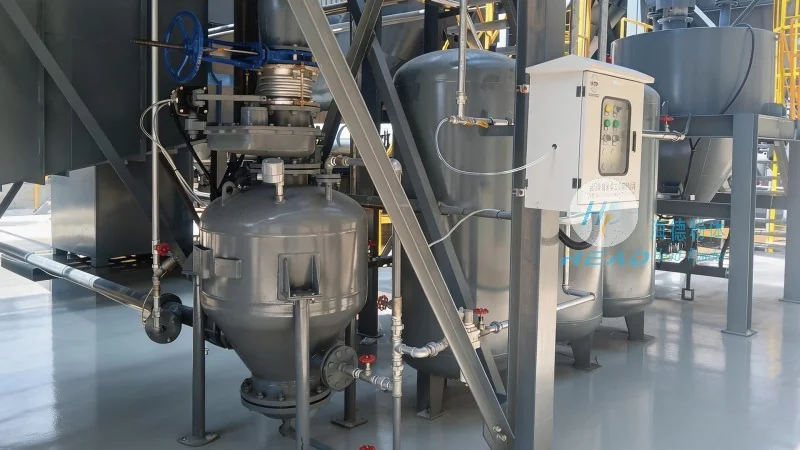
Design Principles of Colored Sand Pneumatic Conveying Systems
The design of a colored sand pneumatic conveying system involves several key principles to ensure optimal performance and efficiency. First, the system must be designed to handle the specific characteristics of colored sand, including particle size, density, and moisture content. The particle size distribution is critical as it affects the air velocity required for proper transport. Larger particles may require higher air velocities to prevent settling or blockage in the pipeline. Second, the system must be constructed from materials that are resistant to abrasion and corrosion, as colored sand can be abrasive and may contain acidic or alkaline components. Stainless steel or special alloys are commonly used for the conveying line and components to ensure longevity. Third, the system must incorporate features to minimize pressure drop and energy consumption. This includes using smooth, straight pipelines with minimal bends and fittings, as well as selecting the appropriate air velocity and pressure to achieve the desired flow rate without excessive energy use. Fourth, the system must include proper filtration and dust collection to maintain air quality and comply with environmental regulations. The receiver and any exhaust points are equipped with filters to capture any fine particles that may escape, preventing dust pollution and ensuring a clean working environment.
Key Components and Their Functions
The colored sand pneumatic conveying system consists of several essential components, each playing a vital role in the overall operation. The hopper serves as the storage container for the colored sand, providing a consistent supply of material to the feeder. The feeder, typically a rotary valve or a screw feeder, controls the flow rate of the material into the conveying line, ensuring a steady and controlled feed. The conveying line is the main pipeline through which the colored sand is transported, usually made of stainless steel or other corrosion-resistant materials. The air supply system, which includes a compressor, air dryer, and filters, provides the compressed air needed to move the material. The receiver is the final container where the colored sand is deposited at the destination point. Additionally, the system may include pressure regulators, flow meters, and vacuum pumps depending on the operating mode. Each component must be carefully selected and sized to match the system's requirements and the characteristics of the colored sand being transported.
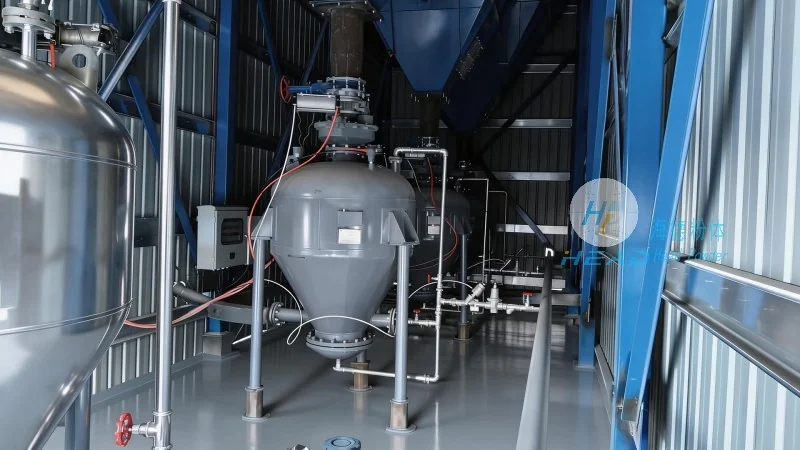
Application Scenarios and Benefits
Colored sand pneumatic conveying systems are widely used in various applications where the transportation of colored sand is required. In the construction industry, they are used to transport colored sand to mixing plants for concrete or mortar production. In the painting and coating industry, they are used to deliver colored sand to production lines for the manufacturing of decorative paints or coatings. In the landscaping and gardening industry, they are used to transport colored sand for garden decoration or pathway construction. The benefits of using pneumatic conveying systems for colored sand include improved safety due to reduced dust exposure, increased efficiency due to continuous and automated operation, and enhanced product quality due to minimal material handling and less risk of contamination. Additionally, the system's flexibility allows for easy integration into existing production lines and can be scaled up or down to meet changing production demands.
Conclusion and Company Information
Colored sand material pneumatic conveying systems are an efficient and reliable solution for transporting colored sand in various industrial applications. By understanding the design principles and key components of such systems, manufacturers can ensure optimal performance and meet the demands of their production processes. Shandong HeadPowder Engineering Co., Ltd., a leading company in the field, specializes in the design, manufacturing, and installation of high-quality pneumatic conveying systems tailored to the specific needs of colored sand applications. With a focus on durability, efficiency, and safety, HeadPowder provides comprehensive solutions that enhance productivity and product quality. Located in Shandong, China, HeadPowder leverages its expertise and advanced technology to deliver innovative and reliable pneumatic conveying systems that meet the evolving needs of the industry.