

What is a Rice Material Pneumatic Conveying System? And What Are Its Design Principles?
Rice is a staple food for billions worldwide, and efficient handling of rice grains from processing to storage is crucial for the agricultural and food processing industries. A key technology in this process is the pneumatic conveying system, which uses air to transport rice materials. This article explores what a rice material pneumatic conveying system is and delves into its design principles, ensuring a comprehensive understanding for professionals in the field.
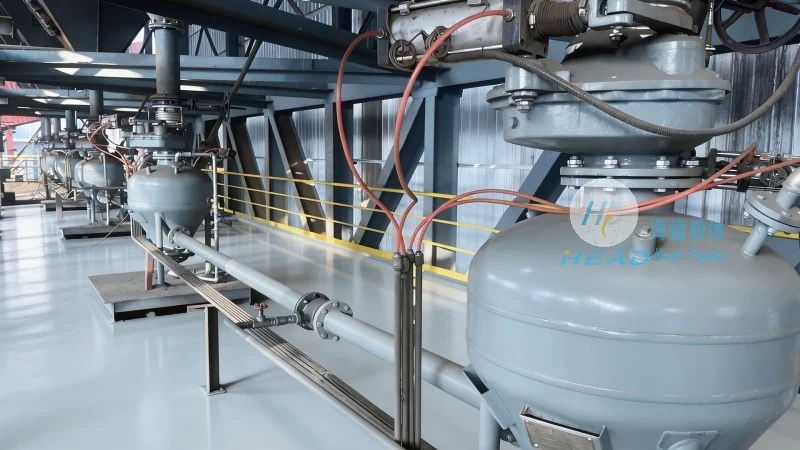
Introduction to Rice Material Pneumatic Conveying Systems
A pneumatic conveying system is a method of transporting bulk materials, such as rice grains, through a pipeline using air as the conveying medium. Unlike traditional mechanical conveyors, which rely on belts or screws, pneumatic systems utilize pressure or vacuum to move materials. This technology is particularly advantageous for rice processing due to its ability to handle delicate grains without causing breakage or damage, which is critical for maintaining product quality.
Key Components of a Rice Material Pneumatic Conveying System
The design of a rice material pneumatic conveying system involves several key components that work in tandem to ensure efficient and reliable operation. These components include the air source, material feeders, conveying lines, separation devices, and control systems. Each component plays a vital role in the overall performance of the system.
First, the air source, typically a blower or compressor, provides the necessary air pressure or vacuum to move the rice. The air source must be capable of delivering consistent airflow at the required pressure levels to handle the volume of rice being transported. For rice, which is relatively light and can be prone to dust generation, the air source must also be designed to minimize air leakage and maintain a stable pressure.
Second, the material feeder is responsible for introducing the rice into the conveying line. For rice, which is often stored in bulk, a hopper or silo feeder is commonly used. The feeder must be able to regulate the flow of rice accurately to match the conveying capacity of the system. This is crucial to prevent overloading the system, which can lead to blockages or reduced efficiency.
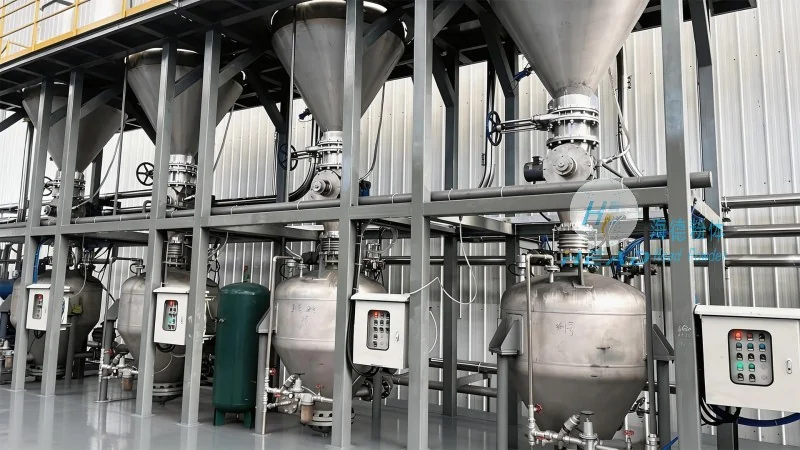
Third, the conveying lines are the main channels through which the rice travels. These lines are typically made of metal or plastic, and their diameter and length are carefully selected based on the volume of rice to be transported and the required pressure. For rice, which is relatively small and can create friction, the inner surface of the conveying lines is often smooth or lined with materials that reduce wear and prevent grain damage.
Fourth, separation devices are used to remove air or other contaminants from the rice as it exits the conveying line. This is important to prevent moisture buildup or contamination, which can affect the quality of the rice. Common separation devices include cyclones or filters, which use centrifugal force or filtration to separate the rice from the air.
Fifth, the control system manages the operation of the entire pneumatic conveying system. This includes monitoring the pressure, airflow, and material flow, and adjusting the system parameters as needed. The control system ensures that the system operates efficiently and safely, preventing overpressure or underpressure conditions that could damage equipment or cause accidents.
Design Principles for Efficient Rice Material Pneumatic Conveying
The design of a rice material pneumatic conveying system must consider several principles to ensure optimal performance. These principles include maintaining consistent air pressure, controlling material flow, minimizing energy consumption, and preventing product damage. Each principle is critical to the overall efficiency and effectiveness of the system.
First, maintaining consistent air pressure is essential for reliable operation. The air source must be able to deliver a stable pressure, and the conveying lines must be designed to minimize pressure drop. This is important because pressure drop can reduce the conveying capacity and increase energy consumption. For rice, which is relatively light, a lower pressure is often sufficient, but the system must still maintain sufficient pressure to overcome friction and gravity.
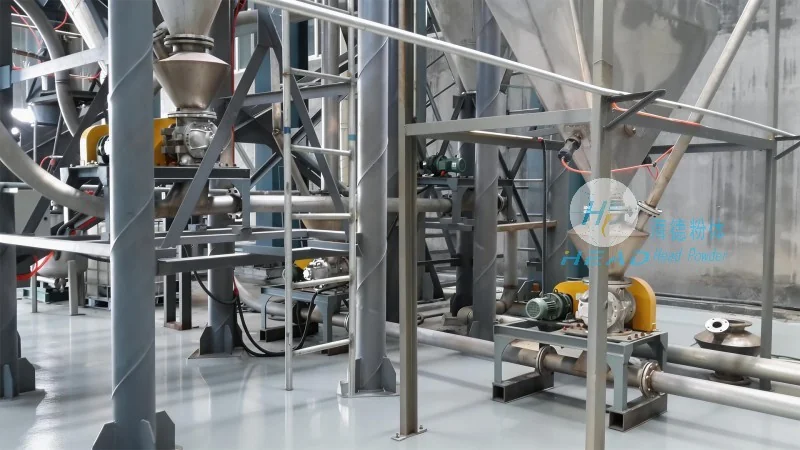
Second, controlling material flow is crucial to prevent blockages and ensure uniform conveying. The material feeder must be able to regulate the flow of rice accurately, and the conveying lines must be sized appropriately to handle the volume of rice. This is particularly important for rice, which can be prone to bridging or caking in the conveying lines. Proper design of the feeder and lines can prevent these issues and ensure smooth operation.
Third, minimizing energy consumption is an important design consideration. The air source and conveying lines must be designed to operate efficiently, with minimal energy loss. This can be achieved by using high-efficiency blowers, selecting appropriate line diameters, and minimizing the length of the conveying lines. For rice, which is often transported over short distances, energy efficiency is particularly important to reduce operational costs.
Fourth, preventing product damage is critical for maintaining the quality of the rice. The conveying system must be designed to handle the delicate nature of rice grains without causing breakage or abrasion. This includes using smooth conveying lines, avoiding sharp bends or turns, and controlling the air velocity. The air velocity must be high enough to move the rice but low enough to prevent damage. Proper design of the system can ensure that the rice is transported without any loss of quality or nutritional value.
Applications and Benefits of Rice Material Pneumatic Conveying Systems
Rice material pneumatic conveying systems are widely used in the rice processing industry for various applications, including transporting rice from storage silos to processing facilities, moving rice between different processing stages, and delivering rice to packaging lines. The benefits of using pneumatic conveying systems for rice include improved efficiency, reduced labor costs, and enhanced product quality.
One of the primary benefits of pneumatic conveying systems is their ability to handle large volumes of rice efficiently. The system can transport rice at high speeds, reducing the time required for material handling. This is particularly advantageous for large-scale rice processing operations, where the volume of rice to be transported is high. The system can also handle multiple batches of rice simultaneously, increasing the overall throughput of the processing facility.
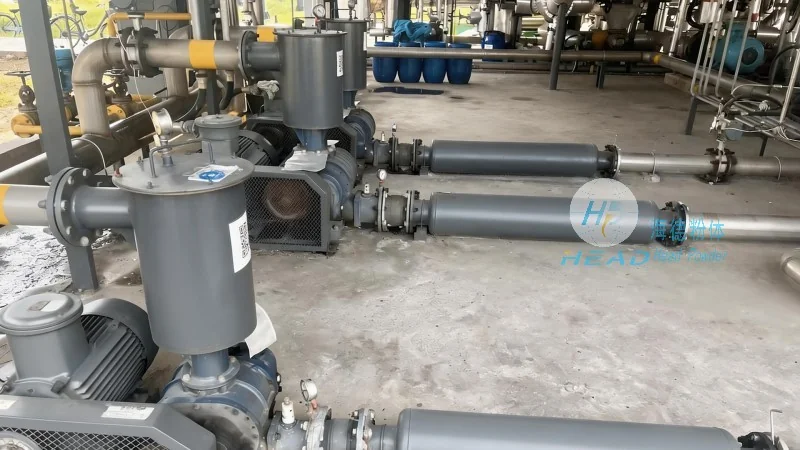
Another benefit of pneumatic conveying systems is their reduced labor costs. Unlike traditional mechanical conveyors, which require manual labor to load and unload materials, pneumatic systems can operate automatically. This reduces the need for human intervention and minimizes the risk of accidents or injuries. The system can also be integrated with other processing equipment, such as milling or sorting machines, to create a fully automated processing line.
Enhanced product quality is another key benefit of using pneumatic conveying systems for rice. The system can transport rice without causing breakage or damage, which is critical for maintaining the quality and nutritional value of the product. This is particularly important for premium rice varieties, which command higher prices in the market. The system can also prevent contamination from dust or other particles, ensuring that the rice meets quality standards.
Conclusion
In conclusion, a rice material pneumatic conveying system is a vital technology in the rice processing industry, providing efficient and reliable transportation of rice grains. The design of the system, including its components and principles, is critical to its performance and effectiveness. By understanding the key components and design principles, professionals in the industry can select and operate pneumatic conveying systems that meet their specific needs and requirements.
For those seeking to implement or improve rice material pneumatic conveying systems, it is essential to work with experienced manufacturers who can provide customized solutions. Companies such as Shandong HeadPowder Engineering Co., Ltd., based in China, specialize in designing and manufacturing pneumatic conveying systems tailored to the needs of the rice processing industry. With their expertise and commitment to quality, they can help ensure that rice is transported efficiently and safely, maintaining the quality and value of this essential food staple.