

What is a Soybean Meal Material Pneumatic Conveying System? And What Are Its Design Principles?
In the realm of industrial processing, particularly in the food and agricultural sectors, the efficient handling of bulk materials like soybean meal is a critical factor in maintaining operational efficiency and product quality. A pneumatic conveying system represents a sophisticated and versatile method for transporting these materials over short to medium distances within a processing facility. This article aims to elucidate what a soybean meal material pneumatic conveying system entails and to explore the underlying design principles that govern its functionality, offering insights into how such systems can optimize material flow and minimize downtime in soybean meal processing operations.
Components of a Pneumatic Conveying System for Soybean Meal
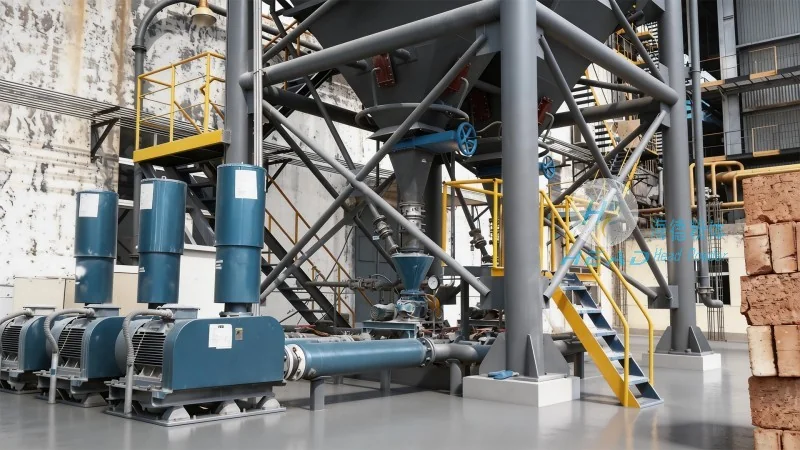
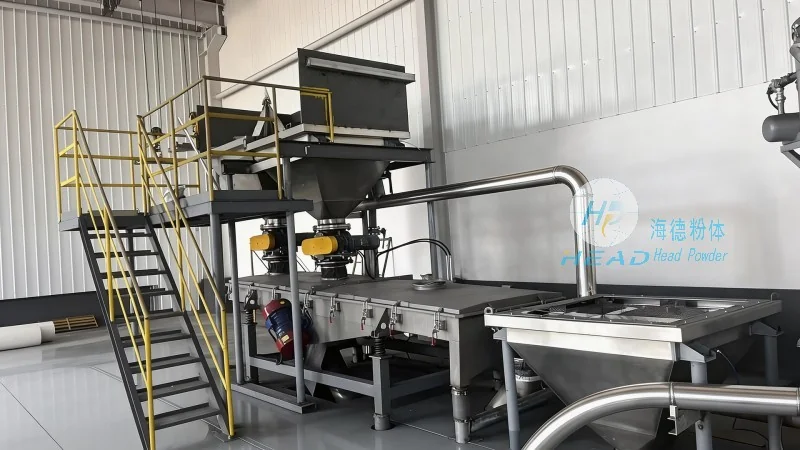
The pneumatic conveying system for soybean meal comprises several interdependent components that work in harmony to achieve effective material transport. At the heart of the system is the material hopper, which serves as the storage and feeding unit for the soybean meal. This hopper is typically equipped with a discharge valve or a rotary valve to control the flow of material into the conveying line. The conveying line itself is constructed from materials like stainless steel or polyethylene, chosen for their resistance to corrosion and their ability to withstand the abrasive nature of soybean meal particles. The length and diameter of the pipeline are carefully selected based on the distance to be covered and the volume of material to be conveyed. The blower or fan is the power source of the system, generating the necessary air pressure to move the material through the pipeline. There are two main types of blowers: positive displacement blowers, which provide a consistent volume of air, and centrifugal blowers, which are suitable for higher volumes. The filter system is a critical component that captures any fine particles or dust released during the conveying process, preventing contamination of the material and protecting downstream equipment. Finally, the collection bin or receiver is where the soybean meal is deposited at the destination point, completing the conveying cycle.
Design Principles for Soybean Meal Pneumatic Conveying
The design of a soybean meal pneumatic conveying system is guided by several fundamental principles that ensure optimal performance and reliability. The first principle is the consideration of material characteristics. Soybean meal is a fine, granular material with a relatively low bulk density and a tendency to agglomerate or cake under certain conditions. These properties affect the air velocity and pressure required for effective transport. For instance, the air velocity must be sufficient to prevent material settling in the pipeline but not so high as to cause excessive wear on the equipment or to degrade the material. Engineers must calculate the appropriate air velocity based on the particle size distribution and the material's flowability. The second principle is the management of pressure drop. The pressure drop along the conveying line is a key factor that determines the power required from the blower. It is influenced by the length of the pipeline, the diameter of the pipe, the number of bends and fittings, and the type of material being conveyed. Proper sizing of the blower and pipeline is essential to maintain the necessary pressure to overcome these losses and ensure continuous material flow. The third principle is the incorporation of separation and cleaning mechanisms. Soybean meal particles can adhere to the inner surfaces of the pipeline, leading to blockages and reduced system efficiency. To mitigate this, the system may include a cyclone separator or a filter that periodically cleans the material, preventing buildup and maintaining the system's performance. Additionally, the design may incorporate features like vibration or agitation in the hopper to prevent material bridging and ensure a consistent feed rate.
HeadPowder Engineering: Your Partner in Pneumatic Conveying Solutions
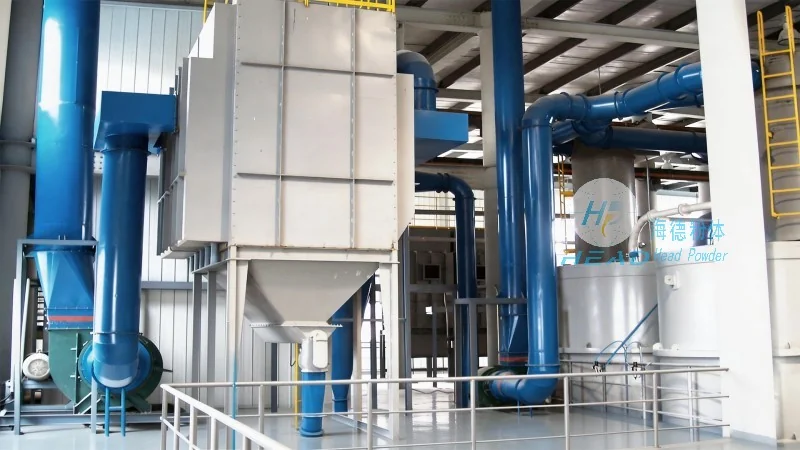
Shandong HeadPowder Engineering Co., Ltd. stands as a prominent player in the field of industrial material handling, specializing in the design, manufacturing, and installation of pneumatic conveying systems tailored to the specific demands of soybean meal processing. With a strong presence in Shandong, China, HeadPowder leverages local expertise and advanced engineering capabilities to deliver high-quality solutions that meet the rigorous standards of the industry. The company's team of experienced engineers works closely with clients to conduct thorough assessments of their processing needs, including the volume of soybean meal to be handled, the distance between the source and destination points, and any spatial constraints within the facility. By understanding these requirements, HeadPowder can design customized systems that optimize material flow, reduce energy consumption, and minimize maintenance requirements. The company's commitment to quality is reflected in its use of durable materials, such as stainless steel for pipelines and components, and its adherence to international safety and environmental standards. Clients benefit from HeadPowder's comprehensive approach, which includes not only the supply of the conveying system but also installation, commissioning, and ongoing technical support. This ensures that the system operates efficiently and reliably, contributing to the overall productivity and profitability of the client's soybean meal processing operations.