

What is a Fertilizer Material Pneumatic Conveying System? What are its Design Principles?
Fertilizer material pneumatic conveying systems are essential equipment in the agricultural and chemical industries, designed to transport bulk materials like granular or powdered fertilizers efficiently and safely. These systems utilize air pressure or vacuum to move materials from one location to another, eliminating the need for traditional mechanical conveyors and reducing operational costs. Understanding the core components and design principles of such systems is crucial for optimizing material handling processes in fertilizer production and distribution.
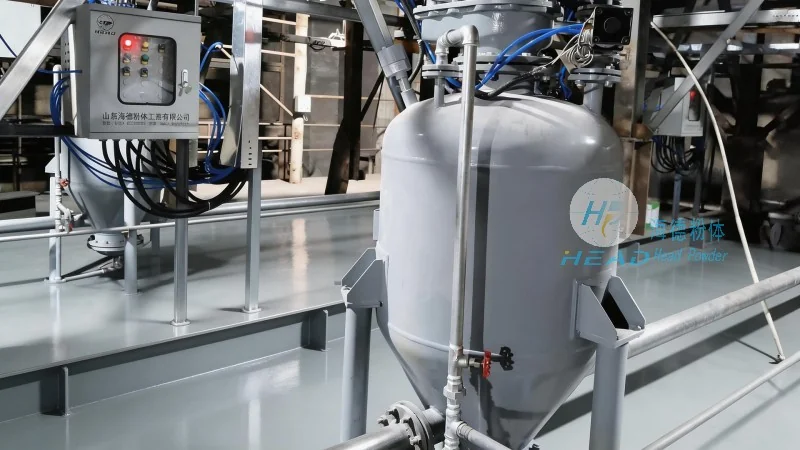
About HeadPowder: A Leading Provider of Pneumatic Conveying Solutions
HeadPowder, an industry-leading company based in Shandong, China, specializes in the design, manufacturing, and installation of advanced pneumatic conveying systems tailored for the fertilizer sector. With years of experience and a commitment to innovation, HeadPowder has established itself as a trusted partner for businesses seeking reliable and efficient material handling solutions. The company’s headquarters is located in Shandong, China, where it leverages local expertise and resources to deliver high-quality products that meet international standards.
Core Components of a Fertilizer Material Pneumatic Conveying System
A typical fertilizer material pneumatic conveying system consists of several key components that work in tandem to ensure smooth operation. The primary components include a material hopper or silo for storing the fertilizer, a feeder to control the flow rate, a conveying line (usually made of metal or plastic pipes), a blower or vacuum pump to generate the necessary air pressure, and a receiver or discharge hopper at the destination. Each component plays a critical role in maintaining the system’s efficiency and preventing material degradation or blockages.
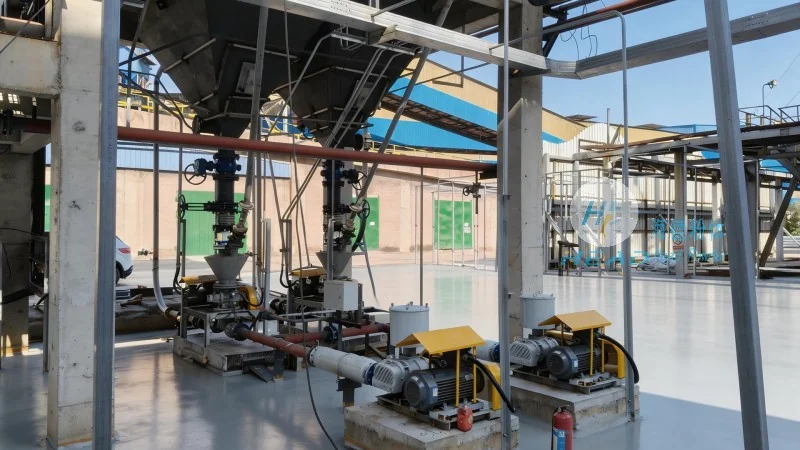
Design Principles for Optimal Performance
The design of a fertilizer material pneumatic conveying system follows specific principles to ensure it operates efficiently under varying conditions. One of the key design considerations is the selection of the appropriate conveying method—either positive pressure (where air is forced through the system) or negative pressure (where air is drawn out). The choice depends on factors such as material characteristics, distance, and system layout. Additionally, the system’s design must account for the material’s flow properties, including its density, particle size, and moisture content, to prevent issues like caking or segregation. Proper sizing of the blower or pump, as well as the conveying line diameter, is essential to maintain consistent air velocity and prevent material deposition or blockages.
Advantages of Pneumatic Conveying Systems in Fertilizer Handling
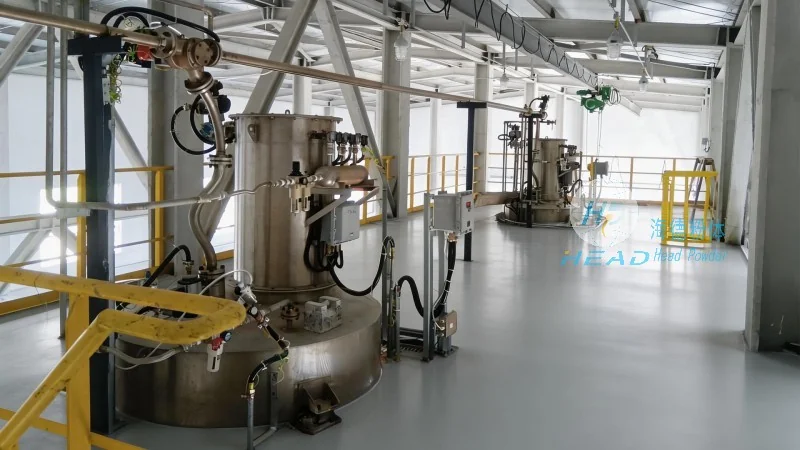
Compared to traditional mechanical conveyors, pneumatic conveying systems offer several advantages that make them ideal for fertilizer handling. These include reduced maintenance costs, as there are fewer moving parts, and improved safety, as the system operates without direct human contact with the material. Additionally, pneumatic conveyors can handle a wide range of material types, from fine powders to coarse granules, and can transport materials over long distances without the need for intermediate storage or transfer points. The systems allow for better control over material flow, enabling precise dosing and reducing waste. Furthermore, the enclosed nature of the system minimizes dust emissions, contributing to a cleaner and more environmentally friendly operation.
Customization and Application in Fertilizer Production
HeadPowder recognizes that each fertilizer production facility has unique requirements, and thus offers customized pneumatic conveying solutions. The company works closely with clients to understand their specific needs, including the type of fertilizer, production capacity, and operational constraints, to design a system that maximizes efficiency and minimizes downtime. Whether for bulk storage, processing, or distribution, the systems can be integrated into existing facilities or designed as standalone units. The company’s expertise in material handling ensures that the systems are not only effective but also durable and easy to maintain, providing long-term value to its clients.