

What is a Powder Material Pneumatic Conveying System? What Are Its Design Principles?
For industries dealing with bulk powder materials, efficient and reliable material handling is crucial. A powder material pneumatic conveying system is a technology that uses compressed air or other gases to transport dry powders and granules from one location to another. This method offers several advantages over traditional mechanical conveying systems, such as reduced equipment wear, lower maintenance costs, and the ability to handle a wide range of powder types. Understanding the core components and design principles of such a system is essential for optimizing material flow and ensuring operational efficiency.
About HeadPowder: Your Expert in Pneumatic Conveying Solutions
HeadPowder, or Shandong HeadPowder Engineering Co., Ltd., is a leading provider of advanced pneumatic conveying systems tailored for various industrial applications. With headquarters in Shandong, China, the company specializes in designing, manufacturing, and implementing customized solutions that meet the unique needs of clients across different sectors. HeadPowder's team of engineers and technicians leverages years of experience to deliver systems that are not only efficient but also durable and cost-effective.
The Core Design Principles of a Pneumatic Conveying System
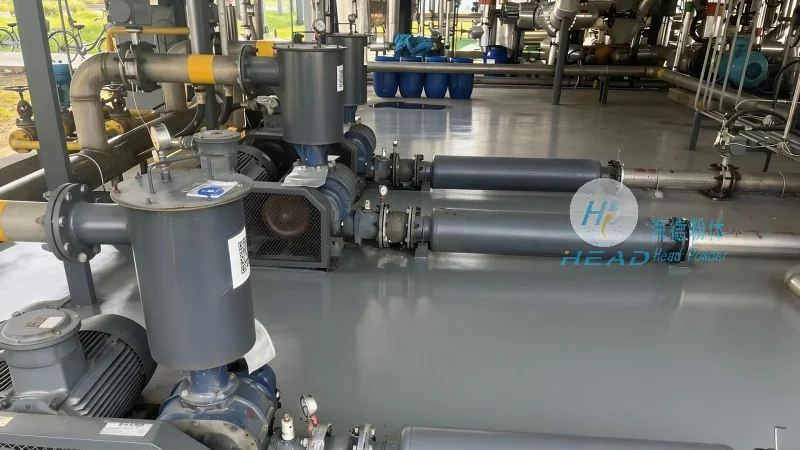
The fundamental principle behind a powder material pneumatic conveying system is the use of air or gas to create a flow that transports the powder particles. The system typically consists of several key components, including a feeding device, a conveying line, a separation unit, and a discharge mechanism. The design of each component is critical to the overall performance of the system.
First, the feeding device is responsible for introducing the powder into the conveying line. This can be achieved through various methods, such as a rotary valve, a star feeder, or a pressure feeder, depending on the characteristics of the powder and the required flow rate. The choice of feeding device affects the system's ability to handle different powder properties, including particle size, moisture content, and flowability.
Second, the conveying line is the main channel through which the powder travels. It can be made of different materials, such as stainless steel, plastic, or metal, depending on the chemical compatibility of the powder and the operating conditions. The design of the conveying line, including its diameter and length, is crucial for maintaining the proper air-to-powder ratio and preventing blockages or pressure drops.
Third, the separation unit is used to separate the powder from the air at the end of the conveying line. This is typically done using a cyclone separator or a bag filter, which collects the powder and returns it to the process while allowing the air to be discharged. The efficiency of the separation unit is vital for minimizing dust emissions and ensuring the purity of the conveyed material.
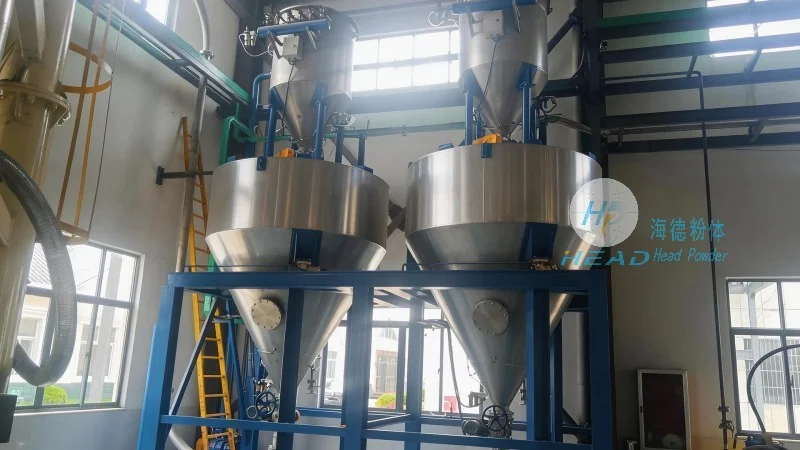
Fourth, the discharge mechanism is responsible for delivering the powder to its final destination. This can be a storage silo, a processing unit, or a packaging machine. The design of the discharge device must consider factors such as the powder's flow characteristics and the need to prevent clogging or spillage.
Key Design Considerations for Optimal Performance
When designing a powder material pneumatic conveying system, several factors must be carefully considered to ensure optimal performance and longevity. These include the powder's physical properties, such as particle size distribution, density, and moisture content, as well as the required flow rate and distance of transport. The system's design must also account for the operating pressure and air volume needed to achieve the desired conveying capacity.
One of the critical design considerations is the air-to-powder ratio, which is the ratio of the volume of air to the volume of powder being conveyed. An appropriate ratio is essential to maintain a stable flow and prevent particle segregation or agglomeration. Engineers at HeadPowder use advanced computational fluid dynamics (CFD) simulations and empirical data to determine the optimal air-to-powder ratio for each application.
Another important factor is the system's pressure drop, which is the reduction in air pressure as it travels through the conveying line. Excessive pressure drop can lead to reduced conveying capacity or increased energy consumption. HeadPowder's design team optimizes the system's components, such as the conveying line diameter and the number of bends, to minimize pressure drop while maintaining the required flow rate.
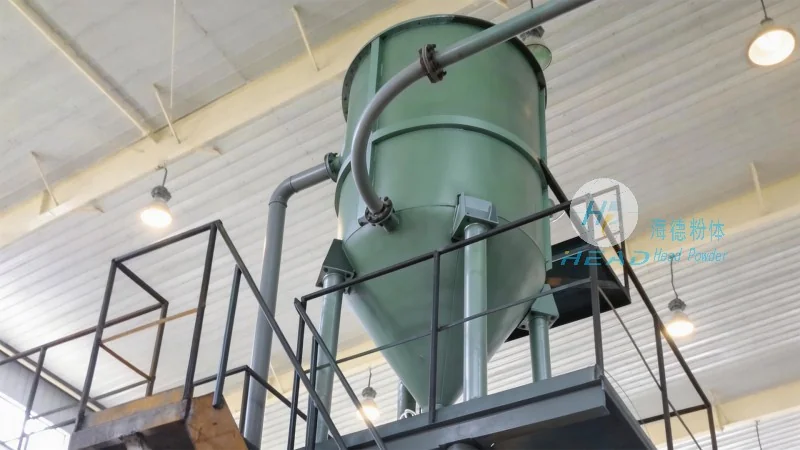
Additionally, the system's material selection is crucial for ensuring compatibility with the conveyed powder. For example, if the powder is corrosive or abrasive, the conveying line and other components must be made of materials that can withstand these conditions, such as stainless steel or special alloys. HeadPowder's engineers conduct thorough material compatibility tests to ensure the longevity of the system.
Benefits of Using a Pneumatic Conveying System
Implementing a powder material pneumatic conveying system offers numerous benefits for industrial operations. One of the primary advantages is the reduction in equipment wear and tear compared to mechanical conveying systems, which rely on moving parts like belts or screws. This leads to lower maintenance costs and longer equipment life. Additionally, pneumatic conveying systems are more flexible, as they can be easily reconfigured to handle different powder types or to adjust the flow rate as needed.
Another significant benefit is the ability to handle a wide range of powder characteristics, including fine powders, cohesive powders, and powders with high moisture content. Traditional mechanical systems may struggle with these materials, leading to blockages or inefficient transport. Pneumatic systems, on the other hand, can effectively handle these challenges by adjusting the air flow and pressure.
Furthermore, pneumatic conveying systems are more hygienic and easier to clean compared to mechanical systems, which can accumulate dust and particles in their components. This is particularly important in industries such as food, pharmaceuticals, and chemicals, where product purity and safety are paramount. HeadPowder's systems are designed with cleanability in mind, featuring smooth surfaces and easy-to-access components for regular maintenance.
Conclusion
A powder material pneumatic conveying system is a sophisticated technology that plays a vital role in modern industrial operations. By understanding the core design principles and components of such a system, industries can optimize their material handling processes, reduce costs, and improve overall efficiency. HeadPowder, with its expertise and commitment to quality, provides reliable and customized pneumatic conveying solutions that meet the diverse needs of clients worldwide.