

What is Automatic Feeding Material Pneumatic Conveying? What Are Its Design Principles?
Automatic feeding material pneumatic conveying is a sophisticated system used in industrial processes to transport bulk materials from one location to another using air as the conveying medium. This technology is particularly valuable in sectors such as pharmaceuticals, food processing, and chemical manufacturing, where maintaining product integrity and ensuring efficient material handling are critical. The system operates by introducing material into a hopper or feeder, where it is then drawn into a pipeline by a vacuum or pressure source. The air, carrying the material particles, travels through the pipeline to the destination point, where the material is discharged and the air is filtered or recycled. This method offers advantages over traditional mechanical conveying, including reduced contamination risk, lower maintenance requirements, and the ability to handle a wide range of materials, from fine powders to granules.
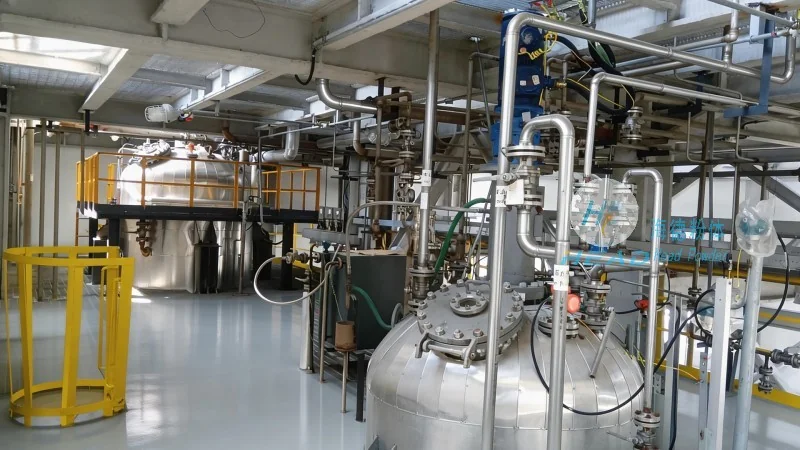
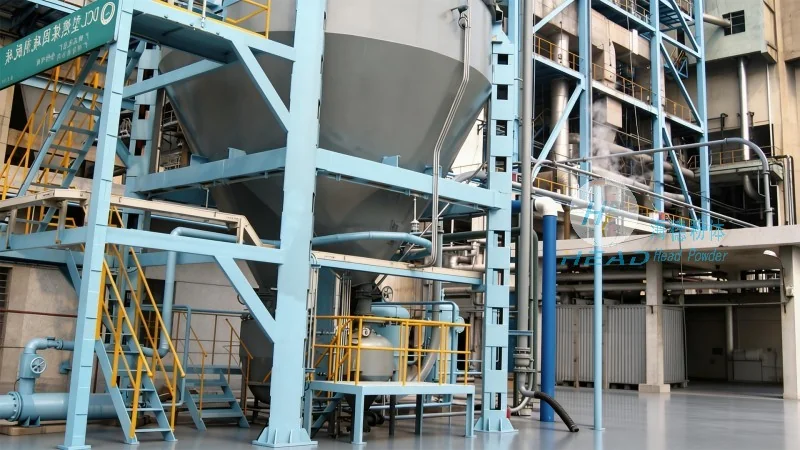
Key Design Principles of Pneumatic Conveying Systems
The design of an effective pneumatic conveying system involves several critical principles that ensure optimal performance and reliability. First, the selection of the appropriate conveying method—either vacuum or pressure—depends on the material characteristics, such as particle size, density, and moisture content, as well as the distance and layout of the conveying route. Vacuum systems are typically used for short-distance, low-pressure applications, while pressure systems are suitable for longer distances and higher material loads. Second, the system must be equipped with a suitable feeder to control the flow rate of material into the pipeline. This is crucial to prevent blockages and ensure consistent conveying. Common feeder types include rotary valves, screw feeders, and vibratory feeders, each chosen based on the material's flow properties. Third, the pipeline design is critical for minimizing pressure drop and energy consumption. The diameter and length of the pipeline, along with the use of bends and fittings, directly impact the system's efficiency. Proper sizing of the pipeline and the inclusion of expansion joints or flexible connectors help accommodate thermal changes and reduce stress on the system components. Fourth, the air flow rate and pressure must be carefully calculated to maintain the material in suspension. This involves determining the required air velocity to keep particles airborne and the pressure differential needed to overcome resistance in the pipeline. The use of air filters and cyclones is essential to separate the material from the air stream and collect it at the destination, ensuring that the air is clean and can be recycled or discharged safely.
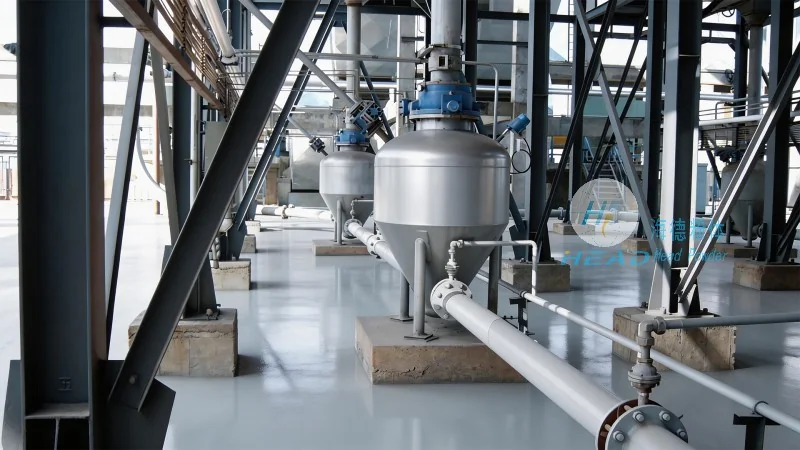
Components and Functionality of Automatic Feeding Pneumatic Conveying Systems
At the core of an automatic feeding material pneumatic conveying system are several key components that work in tandem to achieve efficient material transport. The primary components include the material hopper or feeder, which stores and feeds the material into the system. The hopper is designed to minimize material buildup and ensure a consistent flow, often equipped with level sensors to monitor material levels. The feeder, as mentioned earlier, regulates the material flow rate, preventing overloading or underloading of the pipeline. The conveying pipeline itself is typically made of stainless steel or other corrosion-resistant materials to handle various materials and maintain hygiene standards, especially in industries like food and pharmaceuticals. The system may include a vacuum or pressure pump, which provides the necessary air flow to move the material. In vacuum systems, a fan or ejector creates a negative pressure, while in pressure systems, a blower or compressor generates positive pressure. The pipeline is connected to a receiver or collection hopper at the destination, where the material is discharged. The receiver may include a cyclone or filter to separate the material from the air stream, allowing the air to be cleaned and recycled back into the system or discharged. Additionally, the system may incorporate control panels with sensors and indicators to monitor pressure, flow rate, and material levels, enabling operators to adjust the system parameters as needed. These components are integrated to form a seamless operation that ensures reliable and efficient material handling.
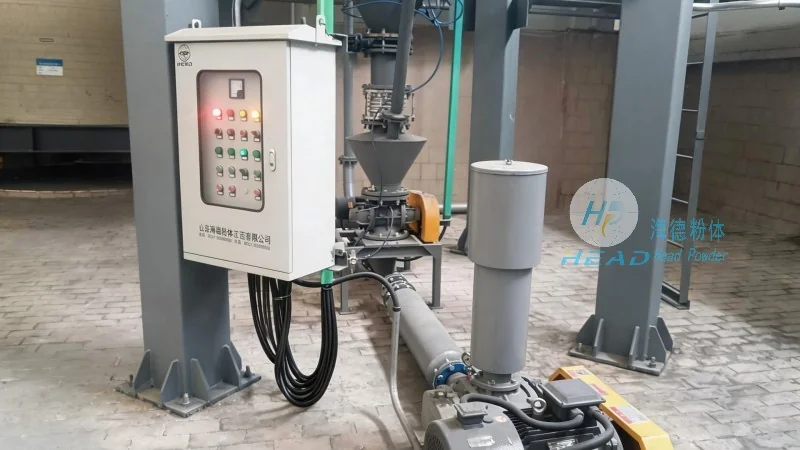
Applications and Benefits of Pneumatic Conveying in Industrial Settings
Automatic feeding material pneumatic conveying systems are widely used across various industrial applications due to their versatility and efficiency. In the pharmaceutical industry, these systems are employed to transport active pharmaceutical ingredients (APIs) and excipients with high precision, ensuring that the materials are handled in a sterile and controlled environment. The ability to maintain product integrity and prevent cross-contamination is a significant advantage. In food processing, the system is used to convey ingredients such as flour, sugar, and spices, where hygiene and product quality are paramount. The use of stainless steel components and closed systems helps maintain food safety standards. In chemical manufacturing, pneumatic conveying is used to transport powders and granules, such as catalysts and reagents, where the system's ability to handle abrasive materials and maintain consistent flow is crucial. The benefits of pneumatic conveying extend beyond material handling, including reduced labor costs, lower maintenance requirements, and increased production efficiency. Unlike mechanical conveying systems, which may require regular cleaning and maintenance, pneumatic systems are often self-cleaning and require less downtime. The flexibility of pneumatic conveying also allows for easy integration into existing production lines, enabling manufacturers to adapt to changing production needs without significant modifications. Overall, the adoption of automatic feeding material pneumatic conveying systems offers significant advantages in terms of efficiency, safety, and cost-effectiveness for industrial operations.