

What is Truck Loading and Unloading Material Pneumatic Conveying? And What Are Its Design Principles
Pneumatic conveying systems are widely used in industrial settings to transport bulk materials from one location to another. When specifically applied to truck loading and unloading operations, these systems offer efficient and reliable solutions for handling various materials. This article delves into the core concepts of truck loading and unloading material pneumatic conveying, exploring the fundamental design principles that underpin their functionality and effectiveness.
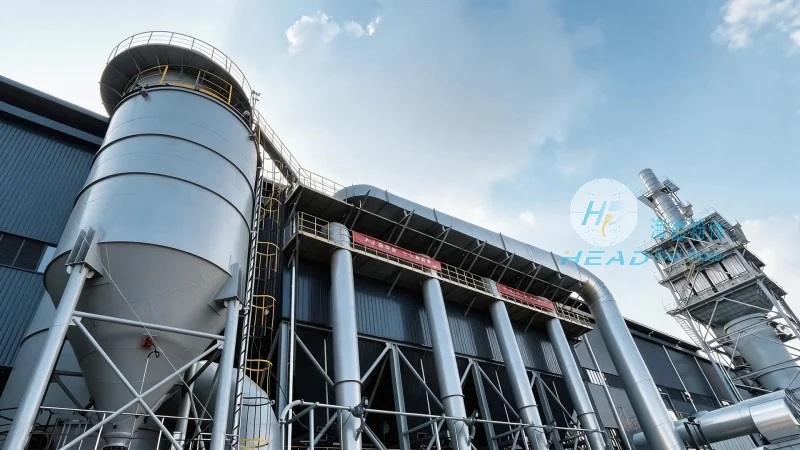
The Role of Pneumatic Conveying in Truck Loading and Unloading
Truck loading and unloading processes often involve the transfer of bulk materials such as powders, granules, or fine particles. Traditional methods like manual shoveling or mechanical conveyors can be labor-intensive, time-consuming, and may lead to material loss or contamination. Pneumatic conveying systems address these challenges by utilizing air as the medium to transport materials through a network of pipes and ducts. This approach not only enhances operational efficiency but also ensures a more hygienic and controlled transfer of materials, making it particularly suitable for industries like food processing, pharmaceuticals, and chemical manufacturing.
Key Design Principles of Truck Loading and Unloading Pneumatic Conveying Systems
The effectiveness of a truck loading and unloading pneumatic conveying system relies on several critical design principles. These principles are tailored to ensure optimal performance, material handling capabilities, and system longevity. The primary design considerations include:
1. **Airflow and Pressure Management**: The system must maintain appropriate airflow rates and pressure levels to ensure consistent material transport. This involves selecting the right type of air mover (such as a positive displacement blower or a rotary lobe blower) and designing the ductwork to minimize pressure drop and energy consumption.
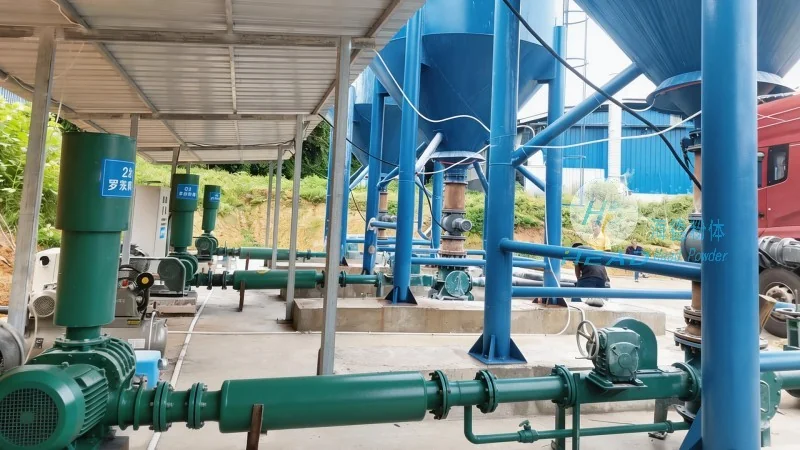
2. **Material Compatibility**: The design must account for the specific properties of the material being conveyed, including particle size, density, moisture content, and abrasiveness. Different materials may require specialized equipment, such as cyclone separators or filter bags, to prevent system blockages and maintain material integrity.
3. **System Layout and Sizing**: The layout of the conveying system, including the length and diameter of the ducts, the number of bends, and the placement of components like silos, hoppers, and discharge points, directly impacts system performance. Proper sizing ensures that the system can handle the required material flow rates without excessive energy use or pressure loss.
4. **Control and Monitoring**: Modern pneumatic conveying systems incorporate control mechanisms to regulate airflow, pressure, and material flow. Sensors and monitoring devices help detect system issues, such as blockages or pressure fluctuations, allowing for timely maintenance and adjustments to maintain optimal performance.
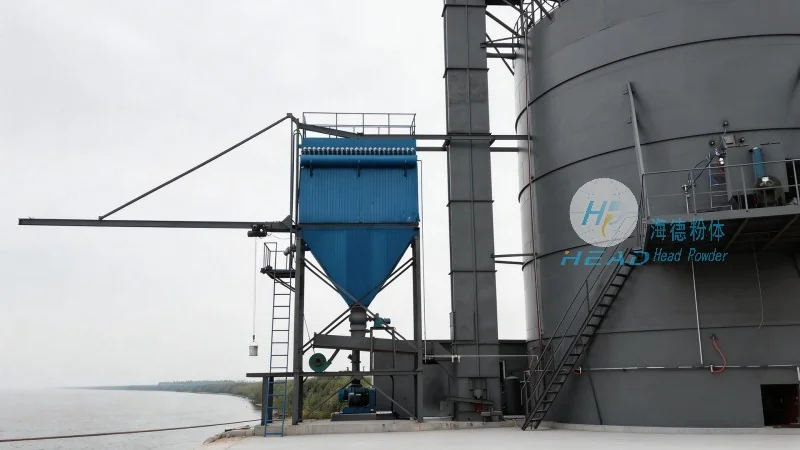
Components of a Truck Loading and Unloading Pneumatic Conveying System
A typical truck loading and unloading pneumatic conveying system consists of several key components that work in tandem to achieve efficient material transfer. These components include:
1. **Material Hopper or Silo**: This is the storage vessel where the bulk material is held before being conveyed. The hopper or silo is designed to feed material into the system at a controlled rate, often using a rotary valve or a feeder to regulate the flow.
2. **Air Mover**: The air mover provides the necessary airflow and pressure to transport the material through the system. Positive displacement blowers are commonly used for high-pressure applications, while rotary lobe blowers are suitable for lower pressure and higher volume requirements.
3. **Conveying Ductwork**: The ducts or pipes form the main pathway for the material and air mixture. The design of the ductwork, including the use of bends, elbows, and straight sections, is critical to minimize pressure losses and ensure smooth material flow.
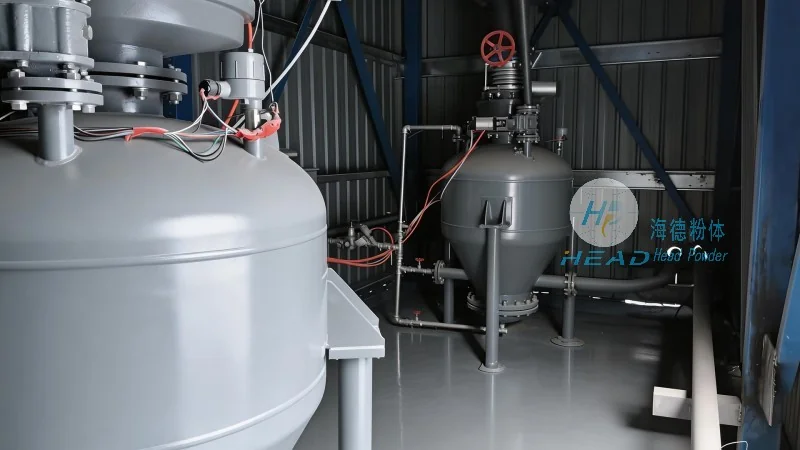
4. **Separation and Collection Equipment**: At the discharge end, separation equipment such as cyclone separators or filter bags is used to separate the material from the air stream. This collected material is then transferred to the truck or storage area, while the cleaned air is returned to the system or vented to the atmosphere.
Benefits of Using Pneumatic Conveying for Truck Loading and Unloading
Implementing a pneumatic conveying system for truck loading and unloading offers numerous benefits that enhance operational efficiency and material handling capabilities. Some of the key advantages include:
1. **Increased Throughput and Efficiency**: Pneumatic systems can handle high material flow rates, reducing the time required for loading and unloading trucks. This leads to improved productivity and reduced labor costs.