

What is PVC Material Pneumatic Conveying? What Are the Design Principles?
For industrial operations dealing with Polyvinyl Chloride (PVC) materials, efficient material handling is crucial. Pneumatic conveying systems offer a solution that not only enhances productivity but also ensures safety and cleanliness. This article explores the concept of PVC material pneumatic conveying, detailing its design principles and the technical aspects that make it a reliable choice in various industries.
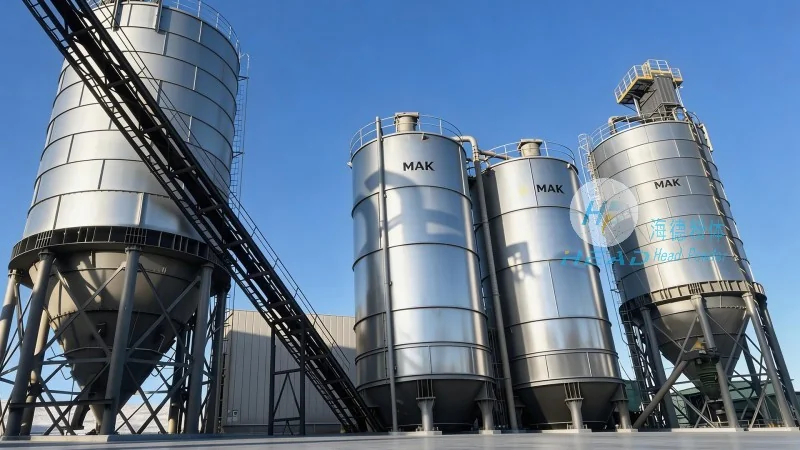
Introduction to PVC Material Pneumatic Conveying
PVC, a widely used thermoplastic polymer, is commonly processed in bulk form. Traditional handling methods like bucket elevators or belt conveyors may introduce contamination or cause material degradation. Pneumatic conveying, on the other hand, uses air to transport PVC particles through a closed system, minimizing contact with external elements and preserving material integrity. This method is particularly advantageous for PVC, which can be sensitive to moisture and temperature variations.
About Shandong HeadPowder Engineering Co., Ltd.
Shandong HeadPowder Engineering Co., Ltd., based in China, specializes in the design, manufacturing, and installation of advanced material handling systems. With years of experience in the industry, HeadPowder provides customized solutions tailored to the unique requirements of clients, ensuring optimal performance and reliability for pneumatic conveying applications. The company’s expertise lies in understanding the specific properties of materials like PVC and translating them into effective conveying systems.
PVC Material Characteristics and Their Impact on Conveying
PVC particles exhibit certain characteristics that influence the design of pneumatic conveying systems. These include particle size distribution, density, and moisture content. For instance, smaller PVC particles may require higher air velocities to maintain suspension, while larger particles might need more robust equipment to prevent blockages. The material's hygroscopic nature also necessitates careful control of humidity in the conveying system to avoid clumping or degradation. Understanding these characteristics is essential for selecting the appropriate conveying method and system components.
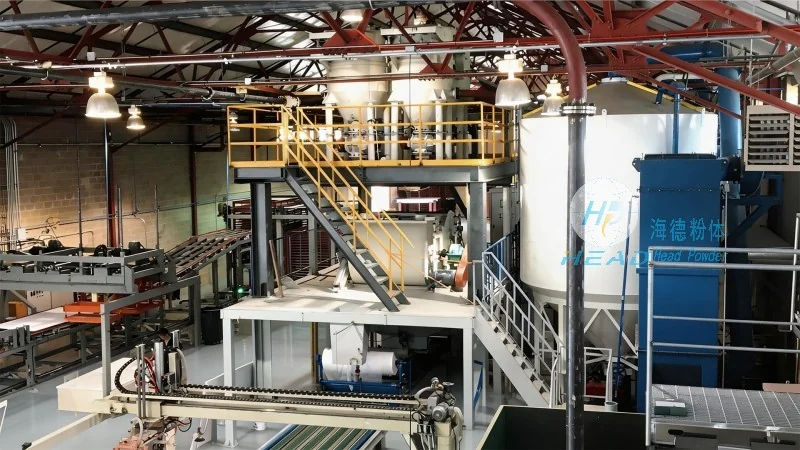
Types of Pneumatic Conveying Systems for PVC
There are two primary types of pneumatic conveying systems: pressure and vacuum. Pressure systems use compressed air to push material through the pipeline, while vacuum systems use suction to draw material into the system. For PVC, pressure systems are often preferred due to their ability to handle higher material loads and maintain consistent flow rates. The choice between the two depends on factors such as the distance to be covered, the volume of material to be conveyed, and the existing infrastructure at the facility.
Design Principles of PVC Pneumatic Conveying Systems
The design of a PVC pneumatic conveying system involves several key principles to ensure efficiency and reliability. First, the system must be capable of maintaining the material in a suspended state throughout the pipeline. This requires calculating the appropriate air velocity based on the material's properties and the pipeline diameter. Second, the system must include proper separation equipment to separate the conveyed material from the air at the end of the process. This is typically achieved using cyclone separators or bag filters, which are designed to handle the specific characteristics of PVC particles. Third, the system must incorporate safety features such as pressure relief valves and explosion-proof components, as PVC is a combustible material under certain conditions. Additionally, the design must consider the need for cleaning and maintenance, with features like purge ports and easy-to-access components to minimize downtime.
Pipeline Design and Components for PVC Conveying
The pipeline design is a critical aspect of the pneumatic conveying system. For PVC, the pipeline is typically made of materials like stainless steel or PVC itself, depending on the application. Stainless steel is preferred for its corrosion resistance and ability to handle high temperatures, while PVC pipelines are used for low-pressure applications where cost is a factor. The pipeline must be designed with smooth transitions and minimal bends to prevent material buildup and ensure consistent flow. Components such as elbows, tees, and straight sections are carefully selected and spaced to maintain the air velocity required for suspension. The system also includes control valves, such as air dampers and check valves, to regulate the flow and prevent backflow.
Separation and Collection Systems
At the end of the conveying process, the PVC material must be separated from the air and collected efficiently. Cyclone separators are commonly used for this purpose, as they use centrifugal force to separate the particles from the air stream. The design of the cyclone, including its diameter, height, and cone angle, is optimized to handle PVC particles effectively. After the cyclone, a bag filter or cartridge filter may be used to capture any fine particles that escaped, ensuring that the exhaust air is clean and meets environmental regulations. The collected PVC is then discharged into a storage bin or hopper, ready for further processing.
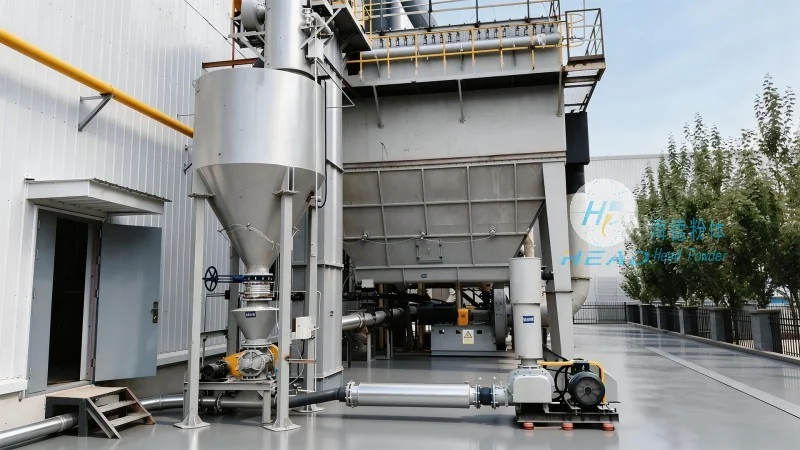
Advantages of PVC Pneumatic Conveying
Pneumatic conveying offers several advantages over traditional material handling methods. It provides a clean and dust-free environment, which is essential for maintaining product quality and meeting regulatory standards. The system is also flexible, allowing for changes in the conveying route or volume without major modifications. Additionally, pneumatic conveying can handle a wide range of material types, including those that are abrasive or corrosive, making it suitable for various industrial applications. For PVC, the system helps maintain the material's integrity by minimizing exposure to moisture and contaminants, which is crucial for downstream processing like extrusion or molding.
Considerations for Implementing PVC Pneumatic Conveying
While pneumatic conveying is an effective solution for PVC handling, several considerations must be addressed during implementation. First, the system must be designed to handle the specific properties of PVC, such as its particle size and moisture content. Second, the system must be equipped with proper safety features to prevent accidents, as PVC is a combustible material. Third, regular maintenance is required to ensure the system operates efficiently and reliably. This includes cleaning the pipeline and separation equipment, checking for leaks, and replacing worn components. Finally, the system must comply with local regulations regarding air quality and noise levels.
Conclusion
PVC material pneumatic conveying is a highly effective method for handling bulk PVC materials in industrial settings. By understanding the design principles and technical considerations involved, companies can implement systems that enhance productivity, maintain product quality, and ensure safety. With the expertise of companies like Shandong HeadPowder Engineering Co., Ltd., businesses can achieve reliable and efficient material handling solutions tailored to their specific needs.