

What is Wool Material Pneumatic Conveying? What Are Its Design Principles?
Wool material pneumatic conveying is a specialized method used in the processing and handling of wool fibers and related materials. This technology involves transporting bulk materials through a pipeline system using compressed air or other gas streams. The process is crucial for industries involved in wool processing, textile manufacturing, and related applications, as it offers efficient and flexible solutions for material movement and handling.
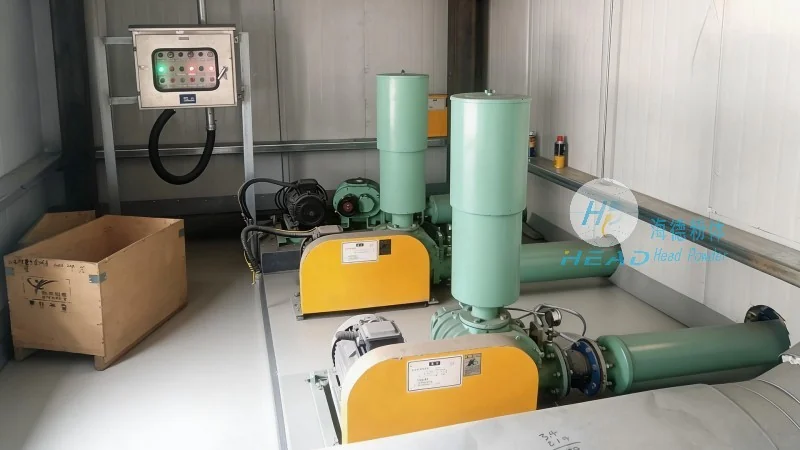
At Shandong HeadPowder Engineering Co., Ltd., we specialize in the design, manufacturing, and implementation of advanced pneumatic conveying systems tailored to the unique characteristics of wool materials. Our expertise lies in understanding the specific challenges associated with handling wool, such as its fibrous nature, varying moisture content, and the need for gentle handling to preserve material quality. By leveraging our deep industry knowledge and engineering capabilities, we develop customized solutions that ensure optimal performance and reliability in wool material processing operations.
The Core Design Principles of Wool Material Pneumatic Conveying Systems
The design of wool material pneumatic conveying systems is governed by several key principles that ensure efficient and effective material transport. These principles include the selection of appropriate air velocities, the use of suitable pipeline configurations, and the incorporation of specialized equipment to handle the unique properties of wool fibers. The system must be designed to minimize material degradation, prevent blockages, and maintain consistent flow rates, all of which are critical for maintaining the quality of the wool product.
One of the primary design considerations is the air velocity within the conveying pipeline. The velocity must be sufficient to overcome the resistance of the wool fibers and maintain a stable flow, but not so high as to cause excessive wear on the equipment or damage to the material. Engineers at HeadPowder carefully calculate the required air velocity based on the material's bulk density, particle size distribution, and other physical properties. This ensures that the conveying system operates within an optimal range, balancing efficiency with material protection.
Key Components and Their Roles in Wool Material Pneumatic Conveying
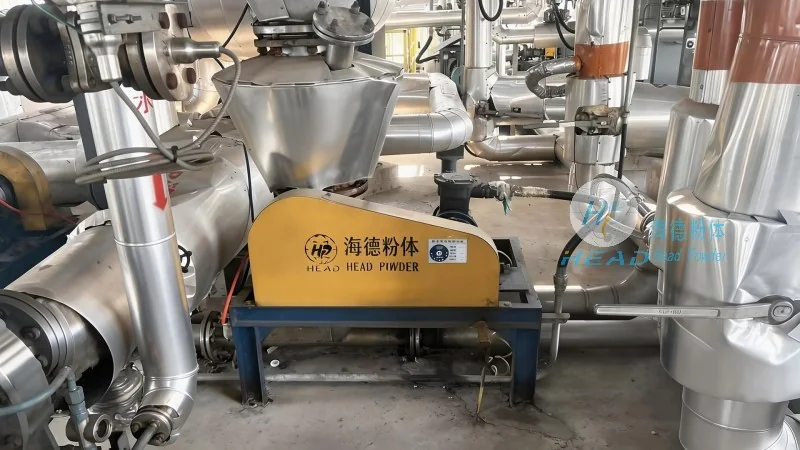
A wool material pneumatic conveying system typically consists of several key components, each playing a vital role in the overall operation. These components include the material feed hopper, the air supply system (such as a blower or compressor), the conveying pipeline, and the material discharge unit. Each component is carefully selected and integrated to ensure seamless material transport from the source to the destination.
The material feed hopper is designed to store and feed the wool material into the conveying system. It often includes features like a rotary valve or a screw feeder to control the flow rate and prevent material buildup. The air supply system provides the necessary pressure and volume of air to move the wool through the pipeline. The conveying pipeline, usually made of durable materials like stainless steel or plastic, is designed to withstand the abrasive nature of wool fibers and the pressure of the air flow. The material discharge unit, such as a rotary valve or a cyclone separator, collects the wool at the end of the pipeline and prepares it for further processing or storage.
Advantages of Using Wool Material Pneumatic Conveying Systems
Implementing a pneumatic conveying system for wool materials offers numerous advantages over traditional methods like belt conveyors or manual handling. The primary benefits include improved material handling efficiency, reduced labor costs, and enhanced product quality. By eliminating the need for manual handling, the system minimizes the risk of material contamination and damage, which is particularly important for wool products that require high purity and quality standards.
Additionally, pneumatic conveying systems provide greater flexibility in material transport, allowing for vertical, horizontal, or mixed-direction conveying. This flexibility enables manufacturers to optimize their production layouts and improve overall operational efficiency. The systems also offer better control over material flow rates, which is essential for maintaining consistent processing conditions and preventing overloading or underloading of downstream equipment.
Customization and Integration Services by HeadPowder
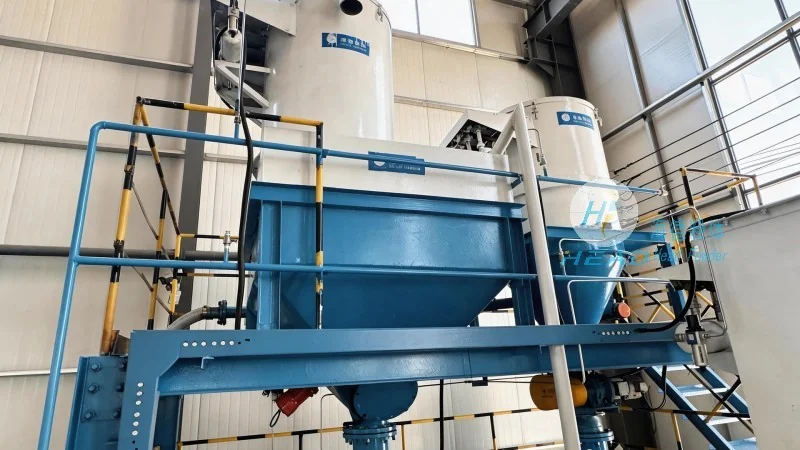
At Shandong HeadPowder Engineering Co., Ltd., we understand that each wool processing facility has unique requirements and challenges. Therefore, we offer comprehensive customization and integration services to ensure that our pneumatic conveying systems are tailored to meet the specific needs of our clients. Our team of experienced engineers works closely with clients to assess their operational requirements, material characteristics, and production goals, then designs a customized system that maximizes efficiency and minimizes downtime.
Our customization services include the selection of appropriate equipment components, the design of the conveying system layout, and the integration of the system with existing production lines. We also provide installation, commissioning, and maintenance services to ensure that the system operates at peak performance throughout its lifecycle. By partnering with HeadPowder, clients can benefit from our expertise and experience in wool material handling, resulting in a reliable and efficient conveying solution that meets their specific needs.
Conclusion: The Importance of Specialized Pneumatic Conveying for Wool Materials
Wool material pneumatic conveying is a critical technology for modern wool processing industries, offering efficient, flexible, and gentle handling solutions for wool fibers and related materials. The design principles and components of these systems are carefully engineered to address the unique challenges of wool, ensuring optimal performance and product quality. By leveraging the expertise of companies like Shandong HeadPowder Engineering Co., Ltd., manufacturers can implement advanced pneumatic conveying systems that enhance their operational efficiency, reduce costs, and maintain the high quality standards required in the wool industry.