

Vacuum Loading Material Pneumatic Conveying: Understanding the Concept and Design Principles
HeadPowder, a leading engineering company based in Shandong, China, specializes in advanced material handling solutions. One of their core technologies is vacuum loading material pneumatic conveying, a system designed to efficiently transport bulk materials through a vacuum-driven process. This method offers a flexible and effective way to move powders and granules from a source to a destination, often used in industries such as food processing, pharmaceuticals, and chemical manufacturing.
What is Vacuum Loading Material Pneumatic Conveying?
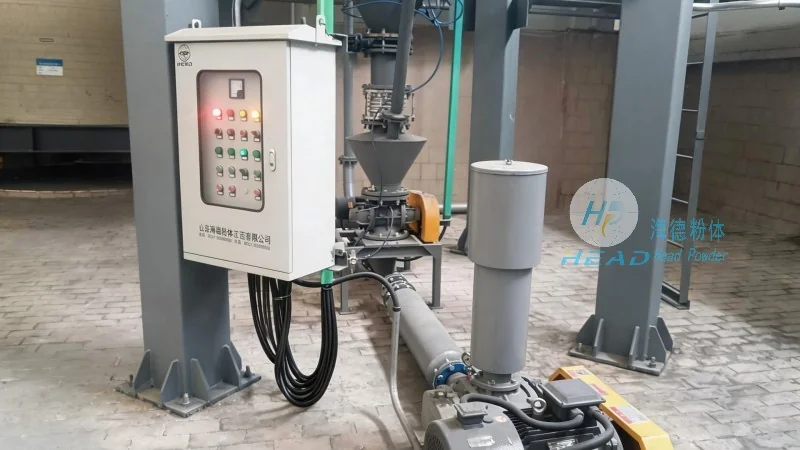
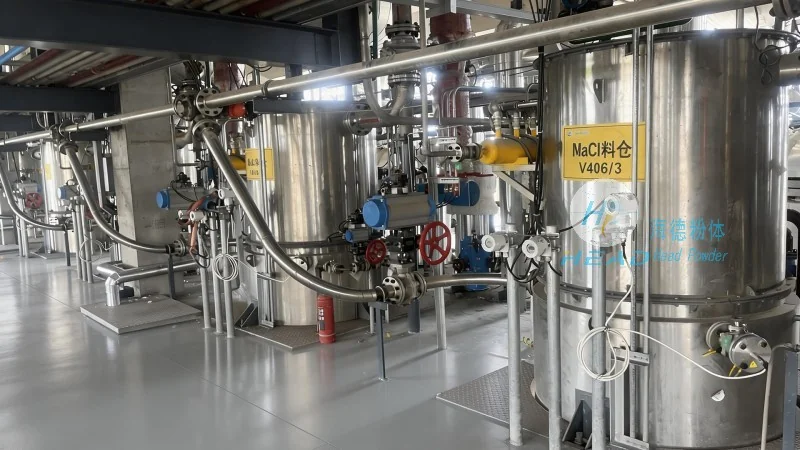
Vacuum loading material pneumatic conveying, also known as vacuum pneumatic conveying, is a technology that uses a vacuum to draw material from a loading point to a collection point. Unlike positive pressure systems that blow material through a pipeline, vacuum systems create a negative pressure environment that pulls material into the conveying line. This approach is particularly advantageous for applications where the material needs to be transported from a higher elevation to a lower one or when the material is sensitive to air exposure. The system typically consists of a vacuum pump, a material loading hopper, a conveying pipeline, and a collection tank. The vacuum pump generates the required suction, while the material is fed into the pipeline through a hopper equipped with a feed valve. As the material moves through the pipeline, it is carried by the air stream created by the vacuum pump. The air and material mixture is then separated at the collection point, where the material is deposited and the air is either filtered or recycled.
Key Design Principles of Vacuum Loading Material Pneumatic Conveying Systems
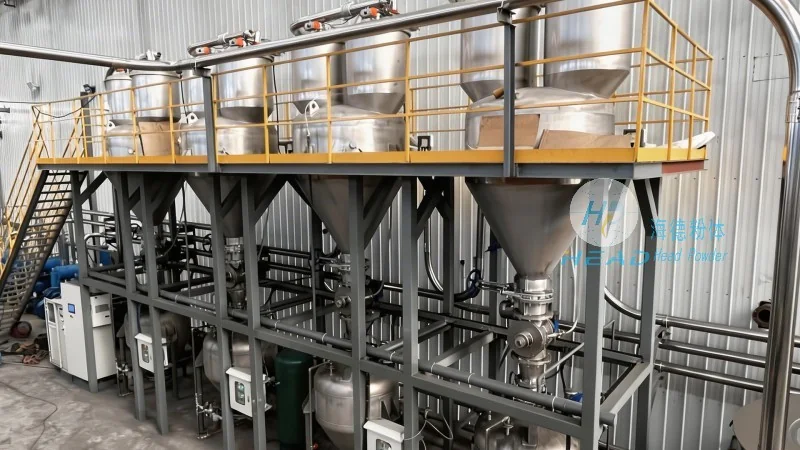
The design of a vacuum loading material pneumatic conveying system involves several critical principles to ensure optimal performance and efficiency. First, the system must be sized appropriately to handle the required material flow rate and the specific characteristics of the material being conveyed. This includes considering the material's bulk density, particle size distribution, and flowability. The pipeline diameter and length are crucial factors, as they directly impact the system's pressure drop and energy consumption. A larger diameter pipeline reduces pressure loss but increases cost and space requirements, while a shorter pipeline length minimizes energy use but may limit the system's reach. The vacuum pump's capacity is another key design parameter, as it must generate enough suction to overcome the system's resistance and maintain the desired material flow. The pump's type, such as rotary vane or liquid ring, also affects the system's performance and maintenance requirements. Additionally, the system's material of construction is important, especially for materials that are corrosive or abrasive. Stainless steel is commonly used for food and pharmaceutical applications due to its hygienic properties and resistance to corrosion. The feed mechanism, including the hopper and feed valve, must be designed to prevent material bridging or clogging, which can disrupt the conveying process. The hopper typically has a conical or rectangular shape to facilitate material flow, and the feed valve may be a rotary valve or a gate valve, depending on the material's characteristics. The collection tank is designed to separate the material from the air stream, often using a cyclone separator or a bag filter. The air is then either vented to the atmosphere or recycled back to the vacuum pump, depending on the system's configuration. The system's control system is also a critical design element, as it must monitor and regulate the vacuum level, material flow rate, and pressure drop to ensure stable operation. Sensors and controllers are used to detect any issues, such as blockages or low material levels, and trigger appropriate actions to prevent system failure.
Applications and Benefits of Vacuum Loading Material Pneumatic Conveying
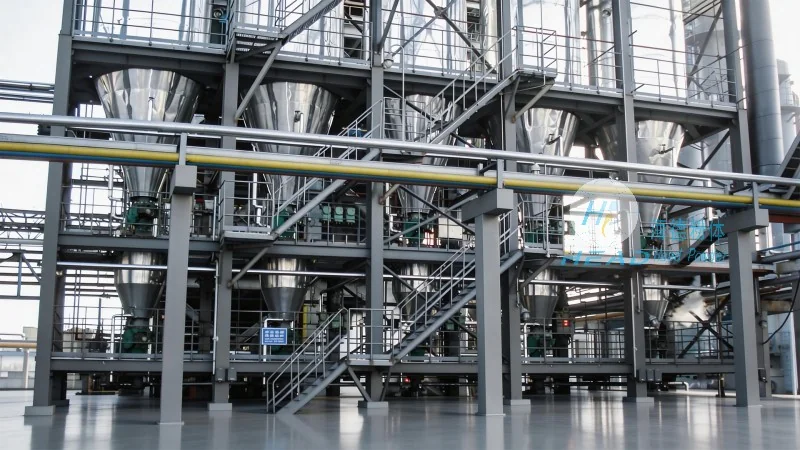
Vacuum loading material pneumatic conveying systems are widely used in various industries due to their versatility and efficiency. In the food industry, these systems are used to transport ingredients such as flour, sugar, and spices from storage silos to processing equipment. The vacuum system ensures that the materials are handled hygienically and without exposure to air, which can affect their quality and freshness. In the pharmaceutical industry, vacuum conveying is used to transport active pharmaceutical ingredients (APIs) and excipients, as it minimizes contamination and ensures that the materials remain in a controlled environment. The system's ability to handle fine powders and granules without agglomeration is particularly important in these applications. In the chemical industry, vacuum conveying is used to transport chemicals, such as powders and granules, from storage tanks to reactors or processing equipment. The system's flexibility allows it to handle a wide range of materials, from low to high bulk density, and from non-abrasive to abrasive materials. The benefits of vacuum loading material pneumatic conveying include improved material handling efficiency, reduced labor costs, and enhanced safety. The system eliminates the need for manual handling of bulk materials, which can be hazardous and time-consuming. It also reduces the risk of material contamination and cross-contamination, which is critical in industries such as food and pharmaceuticals. Additionally, the system's compact design allows it to be installed in limited spaces, making it suitable for retrofitting existing facilities. The vacuum system's low noise level and minimal vibration also contribute to a safer and more comfortable working environment.