

What is Environmental-Friendly Material Pneumatic Conveying? And What Are Its Design Principles?
HeadPowder, a leading provider in the field of material handling solutions, specializes in advanced pneumatic conveying systems designed to meet modern environmental and operational standards. This article explores the concept of environmental-friendly material pneumatic conveying and delves into the core design principles that underpin these systems, offering insights into their functionality, benefits, and practical applications.
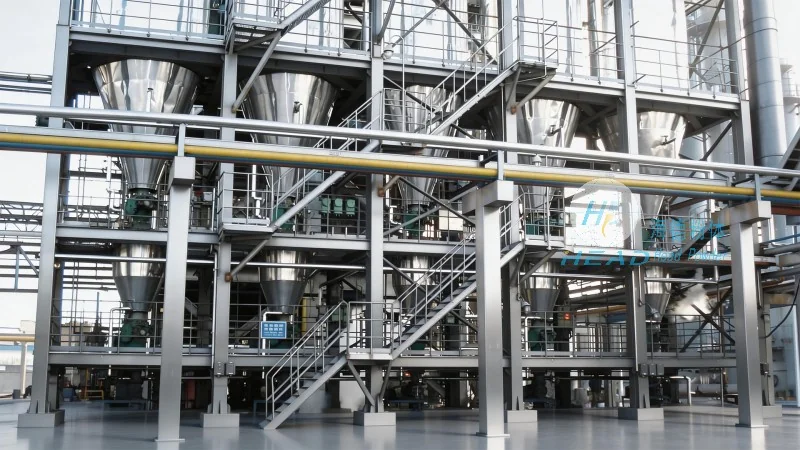
Understanding Environmental-Friendly Material Pneumatic Conveying
Environmental-friendly material pneumatic conveying refers to a technology that efficiently transports bulk materials through a pipeline using air as the primary conveying medium. Unlike traditional methods that may involve mechanical components or excessive energy consumption, this system is engineered to minimize environmental impact while ensuring high efficiency and reliability. The key advantage lies in its ability to handle a wide range of materials, from fine powders to granules, with minimal dust generation and reduced energy usage compared to conventional systems.
Key Design Principles of Pneumatic Conveying Systems
The design of environmental-friendly pneumatic conveying systems is guided by several critical principles aimed at optimizing performance and sustainability. These principles include:
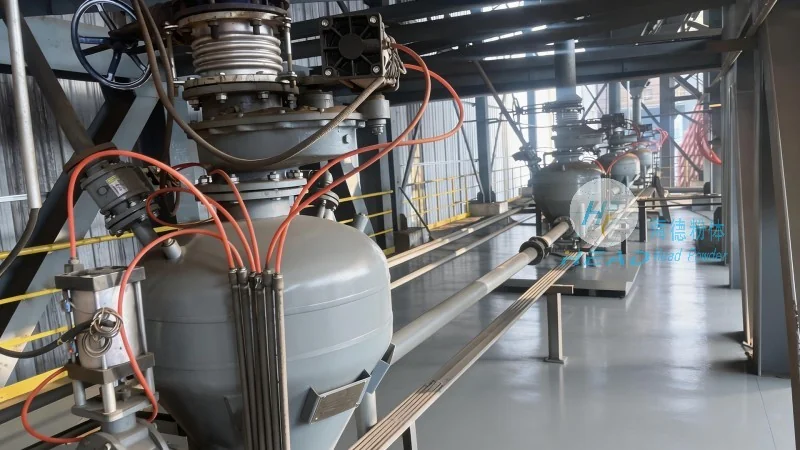
- Energy Efficiency: Systems are designed to use compressed air efficiently, often incorporating variable speed drives and optimized air flow to reduce energy consumption. This not only lowers operational costs but also minimizes the carbon footprint of the process.
- Dust Control and Environmental Compliance: Advanced filtration and sealing technologies are integrated to prevent dust emissions, ensuring compliance with environmental regulations. This includes the use of high-efficiency particulate air (HEPA) filters and sealed transfer points to maintain a clean working environment.
- Material Compatibility: The system's design considers the specific properties of the materials being conveyed, such as particle size, moisture content, and abrasiveness. This ensures that the conveying process is gentle on the material, preventing degradation or loss of quality.
- Modular and Scalable Design: Systems are built with modular components that allow for easy expansion or modification as production needs change. This flexibility supports long-term operational efficiency and adaptability.
How Pneumatic Conveying Works in Practice
At its core, a pneumatic conveying system operates by creating a pressure differential within the pipeline. Compressed air is introduced at one end of the pipeline, and the material is drawn into the system either by suction (negative pressure) or by pressure (positive pressure). The air and material mixture travels through the pipeline to the destination point, where the material is separated from the air using cyclones, filters, or other separation equipment. The separated air is then typically recycled back into the system to enhance efficiency.
Benefits of Environmental-Friendly Pneumatic Conveying
Implementing an environmental-friendly pneumatic conveying system offers numerous advantages for industries dealing with bulk materials. These benefits include:
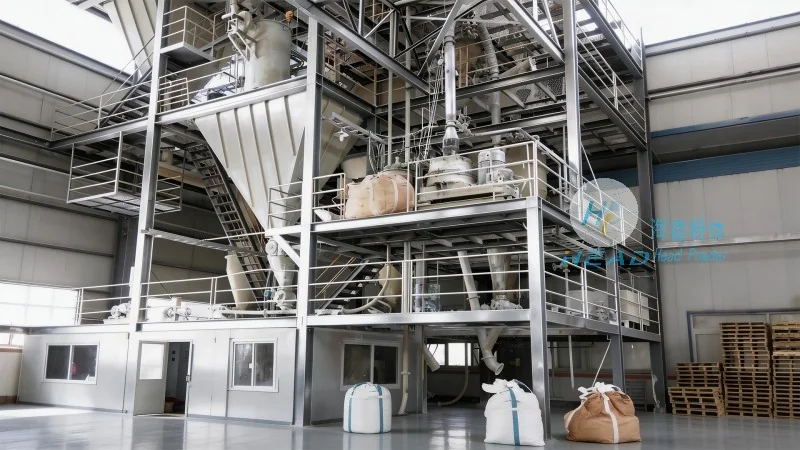
- Reduced Environmental Impact: By minimizing dust emissions and energy consumption, these systems contribute to a cleaner and more sustainable operation, aligning with global environmental goals.
- Improved Product Quality: The gentle handling of materials prevents degradation, ensuring that the final product maintains its quality and characteristics, which is crucial for industries like food, pharmaceuticals, and chemicals.
- Enhanced Safety: The enclosed system reduces the risk of dust explosions and inhalation hazards, creating a safer working environment for personnel.
- Operational Efficiency: The ability to convey materials over long distances with minimal maintenance and downtime improves overall productivity and reduces operational costs.
Applications in Various Industries
Environmental-friendly pneumatic conveying systems are widely used across multiple industries due to their versatility and efficiency. Some common applications include:
- Food and Beverage: Conveying powders, granules, and other food ingredients with strict hygiene and contamination control requirements.
- Pharmaceuticals: Handling active pharmaceutical ingredients (APIs) and other sensitive materials that require sterile and dust-free conditions.
- Chemicals and Plastics: Transporting powders and granules in chemical plants, ensuring safety and compliance with hazardous material handling standards.
- Minerals and Mining: Conveying raw materials and byproducts in mining operations, where efficiency and dust control are critical.
Conclusion
Environmental-friendly material pneumatic conveying represents a significant advancement in bulk material handling technology. By adhering to principles of energy efficiency, dust control, and material compatibility, these systems offer a sustainable and effective solution for industries seeking to improve their operational performance while reducing their environmental impact. As a company dedicated to innovation and sustainability, Shandong HeadPowder Engineering Co., Ltd. continues to develop and refine such systems to meet the evolving needs of modern industries.