

What is Negative Pressure Vacuum Material Pneumatic Conveying? And What Are Its Design Principles?
Understanding negative pressure vacuum material pneumatic conveying is crucial for industries that handle bulk materials efficiently and safely. This technology, often referred to as negative pressure or vacuum pneumatic conveying, represents a sophisticated method for transporting dry powders and granules over short to medium distances. The core principle involves creating a partial vacuum in a conveying line to draw material from a source to a destination, making it an ideal solution for applications where dust control and material containment are paramount.
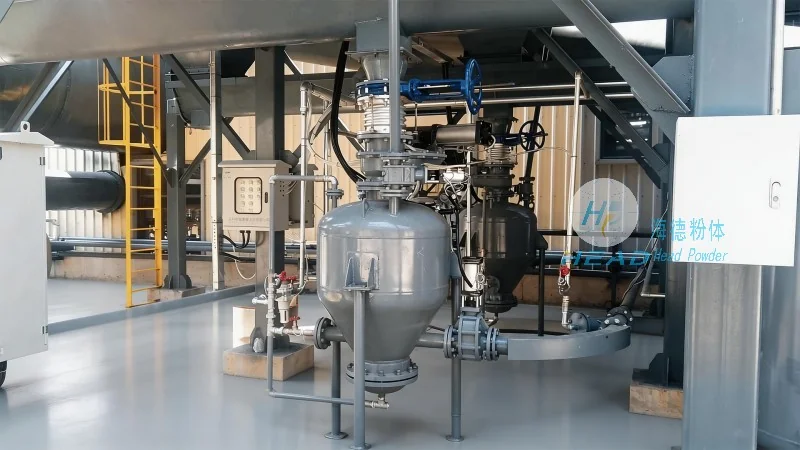
What is Negative Pressure Vacuum Material Pneumatic Conveying?
Negative pressure vacuum material pneumatic conveying is a type of pneumatic conveying system that operates by generating a vacuum within the conveying pipeline. This vacuum creates a pressure differential that draws material from a loading point, such as a hopper or silo, into the pipeline and transports it to a discharge point, like a storage tank or processing unit. Unlike positive pressure systems that blow material through the line, negative pressure systems pull material, which helps minimize dust emissions and reduce the risk of material spillage. The system typically consists of a vacuum pump, a filter to separate material from air, and a series of pipes and valves to control the flow. This method is particularly effective for handling fine powders and granular materials that are prone to caking or agglomeration.
The Design Principles of Negative Pressure Vacuum Material Pneumatic Conveying
The design of a negative pressure vacuum material pneumatic conveying system is based on several key principles that ensure efficient and reliable operation. First, the system must maintain a consistent vacuum level throughout the conveying line to ensure a steady flow of material. This is achieved through the selection of an appropriate vacuum pump with sufficient capacity to handle the material's characteristics and the system's total pressure drop. The vacuum pump's performance is critical, as it must overcome the resistance caused by the material's density, the length and diameter of the pipes, and any fittings or valves in the system.
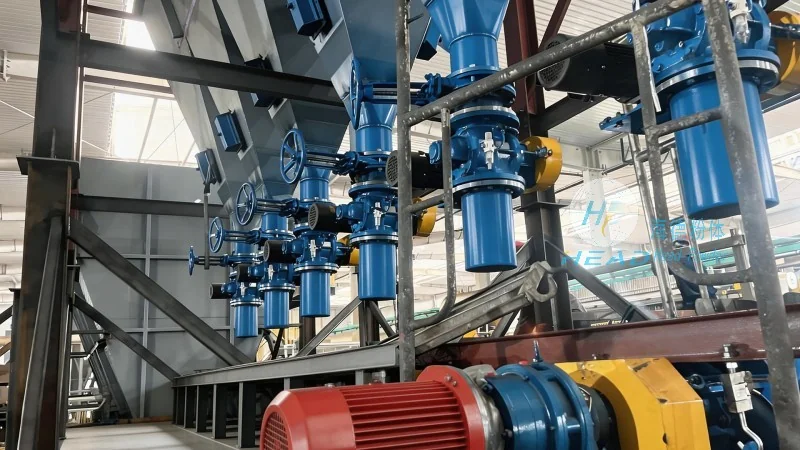
Second, the system's design must consider the material's properties, such as its particle size, moisture content, and flowability. For example, fine powders may require a higher air-to-material ratio to prevent blockages, while cohesive materials may need additional equipment, like a rotary valve or a feeder, to ensure smooth material discharge from the source. The air velocity within the pipeline is a critical parameter; it must be high enough to prevent material settling but low enough to avoid excessive energy consumption and wear on the system components. The design also involves selecting the right filter size and type to capture the material particles effectively, preventing them from entering the vacuum pump and causing damage.
Key Components and Their Roles in the System
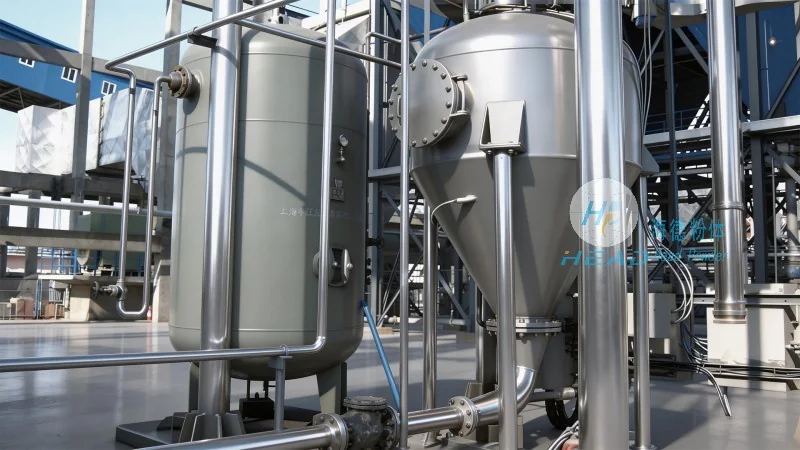
Several key components are integral to the operation of a negative pressure vacuum material pneumatic conveying system. The vacuum pump is the heart of the system, responsible for creating the necessary vacuum. It can be a rotary vane pump, a liquid ring pump, or a Roots blower, depending on the system's requirements and the material being conveyed. The filter, often a baghouse or a cartridge filter, is essential for separating the material from the air stream. It collects the material particles and returns them to the source or a collection bin, while allowing clean air to be vented back to the atmosphere or recycled. The conveying line, typically made of stainless steel or other corrosion-resistant materials, must be designed to withstand the vacuum and the material's potential abrasiveness. The line's diameter and length are carefully calculated to minimize pressure drop and ensure efficient material transport. Valves, such as rotary airlock valves or slide gates, are used to control the flow of material at the source and discharge points, preventing backflow and ensuring a smooth transition between the conveying line and the equipment.
Advantages of Negative Pressure Vacuum Material Pneumatic Conveying
Implementing a negative pressure vacuum material pneumatic conveying system offers several advantages over other material handling methods. One of the most significant benefits is the excellent dust control. By drawing material into the pipeline, the system minimizes the release of fine particles into the environment, making it suitable for applications in food, pharmaceutical, and chemical industries where air quality is a critical concern. Additionally, the system is relatively quiet compared to positive pressure systems, which can be advantageous in noise-sensitive environments. The design also allows for flexible installation, as the conveying line can be routed around obstacles and through multiple levels, making it suitable for complex layouts. Furthermore, the system can handle a wide range of materials, from fine powders to granular products, and can transport materials over distances of up to several hundred meters with minimal energy consumption.
Applications and Industries
Negative pressure vacuum material pneumatic conveying is widely used across various industries due to its versatility and efficiency. In the food and beverage industry, it is commonly used to transport ingredients like flour, sugar, and spices from storage silos to processing equipment, ensuring a clean and hygienic transfer process. The pharmaceutical industry relies on this technology to handle active pharmaceutical ingredients (APIs) and other sensitive materials, where contamination and dust control are non-negotiable. In the chemical industry, it is used to convey powders and granules, such as fertilizers and chemicals, from production lines to storage tanks or packaging units. The system is also used in the plastics and ceramics industries to transport raw materials and finished products, and in the mining and minerals sector to move bulk materials from processing plants to storage facilities.
Design Considerations and Best Practices
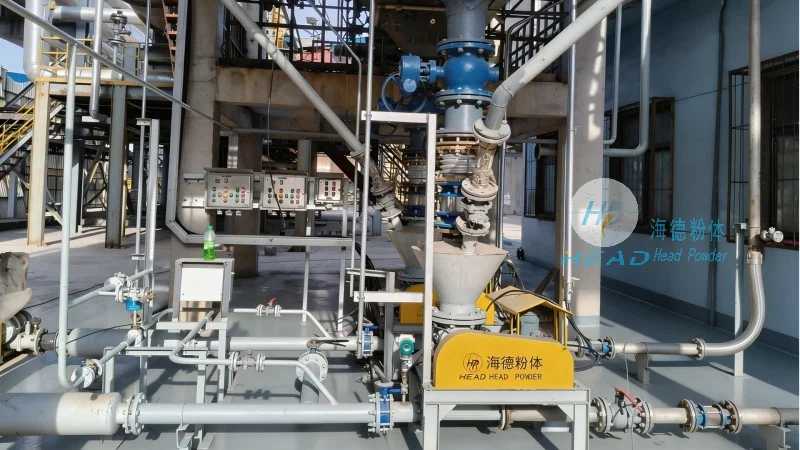
When designing a negative pressure vacuum material pneumatic conveying system, several factors must be considered to ensure optimal performance and longevity. First, the system's capacity must be matched to the material's flow rate and the required conveying distance. This involves calculating the air-to-material ratio, which is the ratio of the air volume to the material volume, to ensure that the material is fully entrained and transported without blockages. The system's design must also account for the material's density and particle size distribution, as these factors affect the pressure drop and the required air velocity. Additionally, the system should be equipped with monitoring and control devices to track the vacuum level, air flow, and material flow, allowing for real-time adjustments to maintain optimal performance. Regular maintenance, such as cleaning the filter and checking the vacuum pump's performance, is essential to prevent system downtime and ensure consistent operation.
Conclusion
Negative pressure vacuum material pneumatic conveying is a highly effective and efficient method for transporting dry powders and granules in various industrial applications. Its design principles, which focus on creating a vacuum to draw material through the system, offer significant advantages in terms of dust control, flexibility, and material handling. By understanding the key components and design considerations, industries can implement this technology to improve their material handling processes, enhance product quality, and ensure compliance with environmental and safety regulations. As a leading provider in this field, Shandong HeadPowder Engineering Co., Ltd. specializes in designing and manufacturing customized negative pressure vacuum material pneumatic conveying systems tailored to the specific needs of each client, ensuring reliable and efficient material transport solutions.