

What is a Refractory Material Powder Pneumatic Conveyor? Understanding Its Design Principles
For industrial applications involving the handling of refractory materials, efficient and reliable material transport is crucial. One of the key technologies used in this domain is the refractory material powder pneumatic conveyor. This equipment is designed to move powders and granules of refractory materials through a system using air pressure or suction. In this article, we will delve into what a refractory material powder pneumatic conveyor is and explore the fundamental design principles that underpin its operation.
Introduction to Refractory Material Powder Pneumatic Conveyors
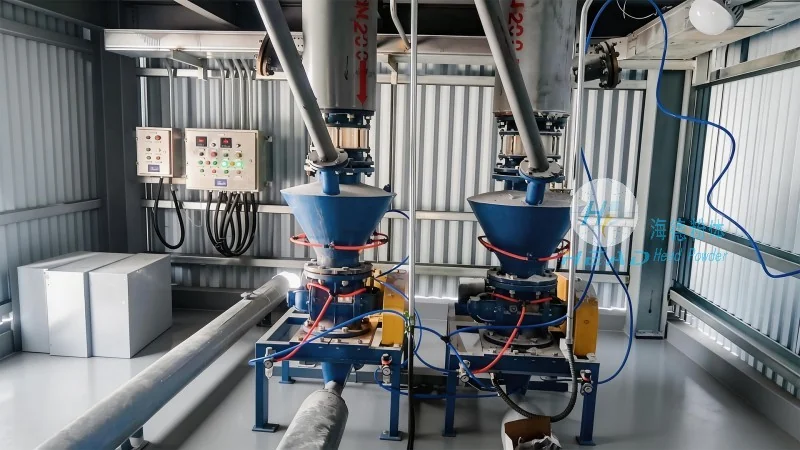
A refractory material powder pneumatic conveyor is a type of pneumatic conveying system specifically engineered to handle refractory materials, which are materials that can withstand high temperatures without melting or deforming. These materials are commonly used in the production of ceramics, bricks, and other high-temperature applications. The primary function of this equipment is to transport these powders from one location to another within a manufacturing facility or industrial plant. The system typically consists of a hopper for material storage, a conveying line, and a receiver for the material's final destination. The entire process is driven by air pressure or vacuum, which propels the material through the system.
Key Components of a Refractory Material Powder Pneumatic Conveyor
The effectiveness of a refractory material powder pneumatic conveyor depends on several critical components that work in harmony to ensure efficient material transport. These components include:
- Material Hopper: This is the initial storage unit where the refractory powder is loaded. It is designed to hold a sufficient quantity of material to sustain continuous operation. The hopper is often equipped with a discharge valve or gate to control the flow of material into the conveying line.
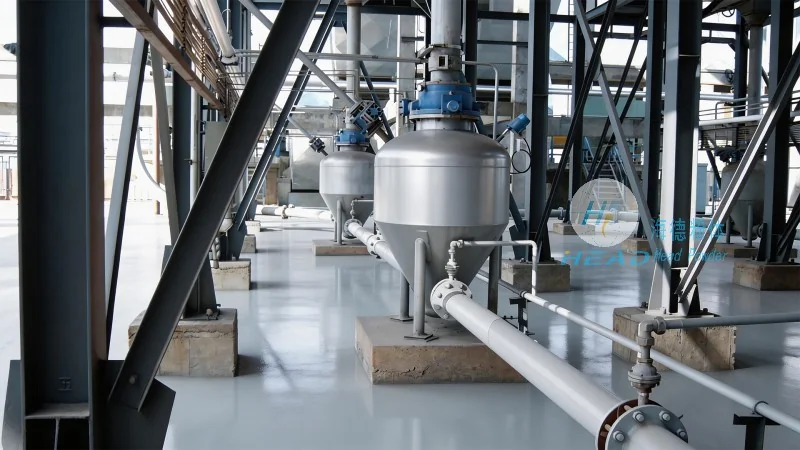
- Conveying Line: The main channel through which the refractory powder is transported. This line is typically made of materials resistant to high temperatures and abrasive wear, such as stainless steel or specialized polymers. The line may include bends, elbows, or straight sections, depending on the layout of the facility.
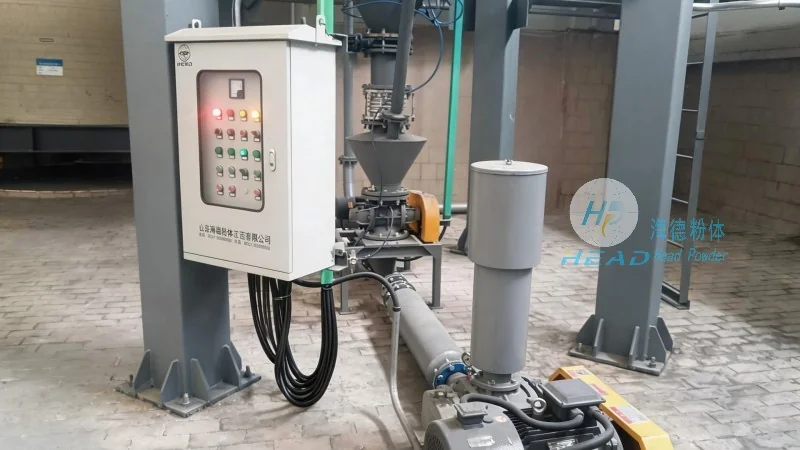
- Air Supply System: This component generates the necessary air pressure or vacuum to move the material. It includes a blower or vacuum pump, air filters, and pressure regulators to ensure the air quality and pressure are optimal for conveying the refractory powder.
- Receiver: The final container where the conveyed refractory material is deposited. It is designed to handle the material's temperature and any potential dust or particulate matter. The receiver may also include a discharge valve to allow the material to be transferred to the next stage of processing.
- Control System: This system monitors and regulates the operation of the pneumatic conveyor. It includes sensors to detect material levels in the hopper and receiver, as well as controls for the air supply and discharge valves. The control system ensures that the conveyor operates safely and efficiently, preventing issues such as overfilling or air leaks.
Design Principles for Refractory Material Powder Pneumatic Conveyors
The design of a refractory material powder pneumatic conveyor is based on several fundamental principles that ensure its effectiveness and reliability. These principles include:
1. Air Velocity and Particle Size: The velocity of the air within the conveying line is a critical factor in determining the efficiency of material transport. The air velocity must be sufficient to lift and move the refractory particles without causing excessive wear on the equipment. This velocity is typically determined by the size and density of the particles. Larger or denser particles require higher air velocities to achieve proper conveying. Conversely, smaller particles may require lower velocities to avoid excessive pressure drops and energy consumption.
2. Pressure Drop and Energy Efficiency: The pressure drop across the conveying line is a key consideration in the design. It represents the energy required to move the material through the system. Engineers aim to minimize the pressure drop by optimizing the line's diameter, length, and bends. This not only reduces energy consumption but also extends the lifespan of the equipment by minimizing wear and tear.
3. Material Compatibility: The materials used in the construction of the pneumatic conveyor must be compatible with the refractory powder being conveyed. Refractory materials can be abrasive and corrosive, especially at high temperatures. Therefore, components such as the hopper, conveying line, and receiver are often made from materials like stainless steel, high-temperature alloys, or specialized ceramics to withstand the harsh conditions.
4. System Sizing and Capacity: The design of the conveyor must be sized to match the production capacity of the facility. This involves determining the required conveying rate, which is the volume of material that needs to be moved per unit of time. The system's components, including the hopper size, line diameter, and air supply capacity, are all scaled to meet this capacity requirement. Proper sizing ensures that the conveyor can handle the material flow without bottlenecks or inefficiencies.
Applications and Benefits of Refractory Material Powder Pneumatic Conveyors
Refractory material powder pneumatic conveyors are widely used in various industrial applications where the handling of high-temperature materials is essential. Some common applications include:
- Ceramic Manufacturing: In the production of ceramics, refractory powders are used to create raw materials for tiles, pottery, and other ceramic products. The pneumatic conveyor efficiently transports these powders from storage to the mixing and shaping stages.
- Brick and Clay Processing: The manufacturing of bricks and other clay-based products often involves the handling of refractory clays and powders. The conveyor system ensures that these materials are moved safely and efficiently from the quarry or storage to the production line.
- Metallurgical Industries: In metallurgical processes, refractory materials are used in furnaces and kilns. The pneumatic conveyor can transport these materials directly to the furnace, reducing the need for manual handling and improving safety.
- Construction Materials: The production of refractory bricks and other construction materials relies on the efficient transport of powders. The conveyor system helps streamline the production process by moving raw materials to the mixing and molding stages.
The benefits of using a refractory material powder pneumatic conveyor include improved safety, as manual handling of powders is minimized. It also enhances operational efficiency by reducing downtime and labor costs. Additionally, the system can handle a wide range of particle sizes and densities, making it versatile for various industrial applications.
Conclusion
A refractory material powder pneumatic conveyor is a vital piece of equipment in industries that rely on high-temperature materials. Its design is based on principles that ensure efficient, safe, and reliable material transport. By understanding the key components and design principles, manufacturers can select and operate the appropriate system to meet their production needs. The technology continues to evolve, with advancements in materials and control systems improving the performance and longevity of these conveyors.