

What is Cement Dry Ash Material Conveying? What Are the Design Principles?
Cement dry ash material conveying is a critical process in industrial applications, particularly in the cement and related manufacturing sectors. This method involves the transportation of dry cement ash or similar powdery materials through a system designed to maintain the material's dry state and ensure efficient, safe delivery. Understanding the core concepts and design principles behind such systems is essential for optimizing operational efficiency and maintaining product quality.
Key Components of Cement Dry Ash Conveying Systems
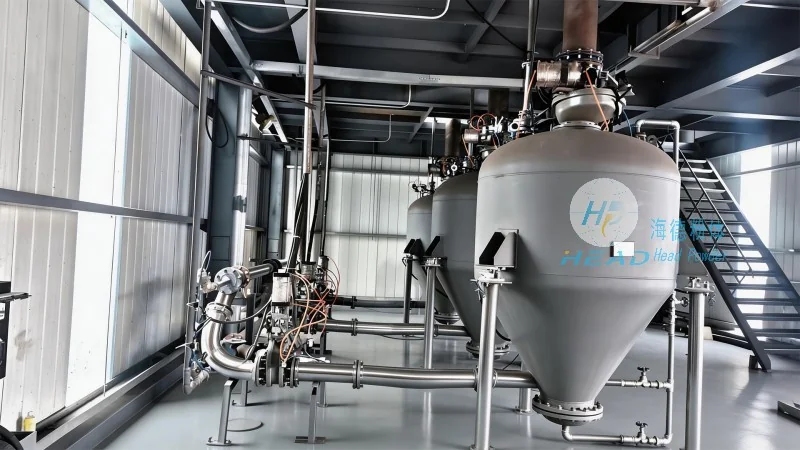
The design of a cement dry ash material conveying system typically involves several key components that work in concert to achieve reliable material transport. These components include feed hoppers, which are used to store and feed the dry ash material into the conveying system. The feed hoppers are equipped with level indicators and discharge valves to control the flow rate of the material. Additionally, the system incorporates conveyor lines, which can be either pneumatic or mechanical, depending on the specific requirements of the application. Pneumatic conveying systems use air pressure to move the dry ash, while mechanical systems rely on screw conveyors, belt conveyors, or bucket elevators. The choice of conveyor type is determined by factors such as material characteristics, distance to be conveyed, and the desired flow rate.
Design Principles for Efficient Material Transport
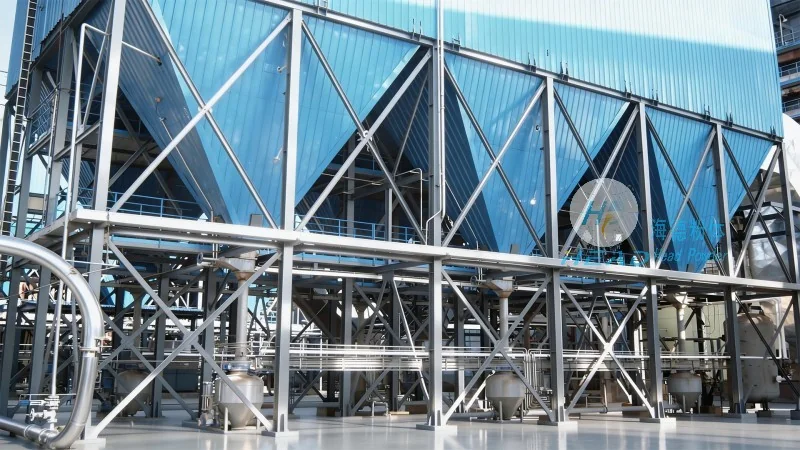
Effective design of cement dry ash material conveying systems adheres to several fundamental principles aimed at maximizing efficiency and minimizing material degradation. One of the primary principles is maintaining the dryness of the material throughout the conveying process. This is achieved by controlling the air flow rate and pressure in pneumatic systems, as well as by using sealed and insulated conveyor lines in mechanical systems. Moisture control is crucial because even small amounts of moisture can cause the dry ash to clump or agglomerate, leading to blockages and reduced conveying efficiency. The system design also considers the material's particle size and density, as these properties affect the required air velocity or mechanical force for successful transport. For example, finer particles may require higher air velocities in pneumatic systems to prevent settling or deposition in the lines.
HeadPowder's Expertise in Cement Dry Ash Conveying Solutions
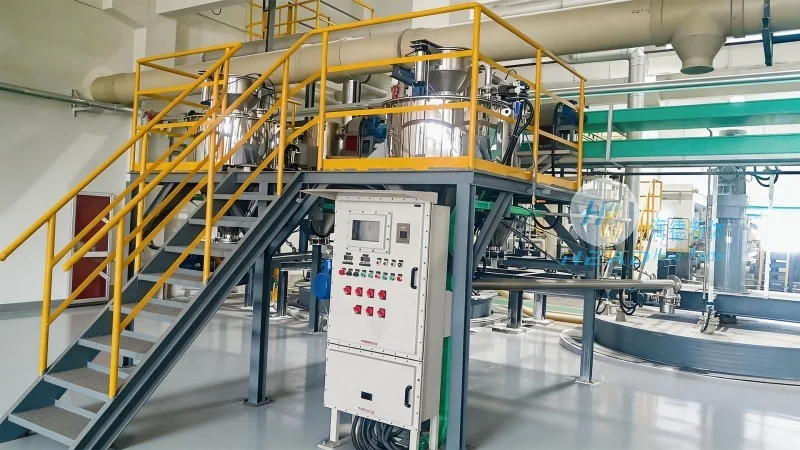
Shandong HeadPowder Engineering Co., Ltd., a leading provider of industrial material handling solutions, specializes in the design and implementation of cement dry ash material conveying systems. With years of experience in the industry, HeadPowder has developed a comprehensive range of solutions tailored to meet the unique needs of various clients. The company's team of engineers and technicians works closely with clients to understand their specific operational requirements, including material characteristics, conveying distances, and production volumes. This collaborative approach ensures that the final system design is optimized for performance, reliability, and cost-effectiveness. HeadPowder utilizes advanced engineering software and methodologies to model and simulate the conveying process, allowing for precise adjustments to the system parameters before actual installation. This proactive approach helps to minimize potential issues and ensure smooth operation from the outset.
Ensuring Safety and Compliance in Cement Dry Ash Conveying
When designing cement dry ash material conveying systems, safety is a top priority. The systems are engineered to comply with relevant industry standards and regulations, such as those related to dust explosion prevention and material handling safety. For example, in pneumatic conveying systems, explosion-proof designs are implemented to prevent the ignition of dust clouds. Additionally, the system components are constructed from materials that are resistant to corrosion and wear, ensuring long-term durability. Regular maintenance and inspection protocols are also integral to the system's design, as they help to identify and address potential issues before they escalate into major problems. HeadPowder incorporates these safety measures into all its designs, providing clients with peace of mind and ensuring the safe operation of their facilities.
Conclusion: Optimizing Cement Dry Ash Material Conveying
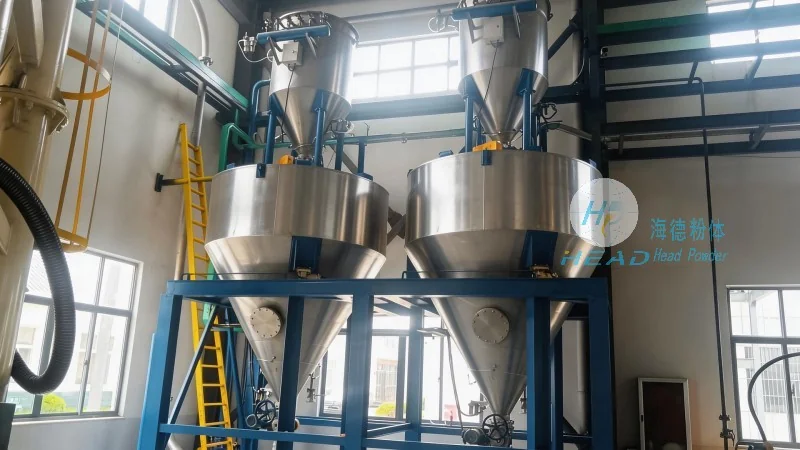
Cement dry ash material conveying is a complex but essential process in many industrial applications. By adhering to sound design principles and leveraging the expertise of experienced providers like Shandong HeadPowder Engineering Co., Ltd., organizations can achieve efficient, reliable, and safe material transport. The key to success lies in understanding the material's properties, selecting the appropriate conveying technology, and implementing a well-designed system that meets all operational and safety requirements. As the demand for efficient material handling solutions continues to grow, the importance of proper design and implementation of cement dry ash conveying systems cannot be overstated.