

Calcium Oxide Powder Material Handling: Exploring Design Principles
Calcium oxide, commonly known as quicklime, is a widely used industrial chemical with diverse applications across various sectors. The efficient and safe handling of calcium oxide powder is crucial for industrial operations, as it involves specialized equipment and design considerations to ensure optimal performance and safety. This article delves into the concept of calcium oxide powder material handling and outlines the key design principles that underpin effective systems.
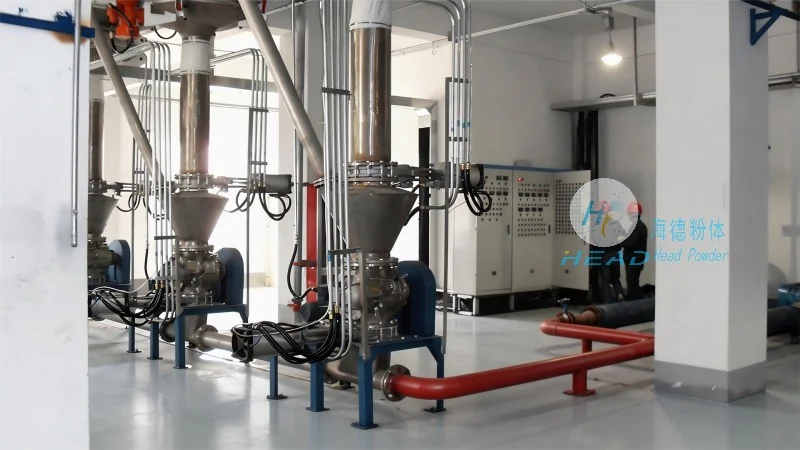
Understanding Calcium Oxide Powder Material Handling
Calcium oxide powder material handling refers to the processes and technologies used to transport, store, and manage calcium oxide powder within industrial settings. This includes the use of various equipment such as conveyors, silos, and storage vessels, as well as the implementation of control systems to ensure smooth and safe operations. The primary goal of material handling systems for calcium oxide is to maintain product quality, minimize dust generation, and ensure compliance with safety regulations.
Key Design Principles for Calcium Oxide Powder Handling
The design of calcium oxide powder handling systems is governed by several critical principles that address both operational efficiency and safety. These principles are tailored to the unique properties of calcium oxide, including its reactivity, dustiness, and potential for spontaneous combustion under certain conditions. The following are the main design considerations:
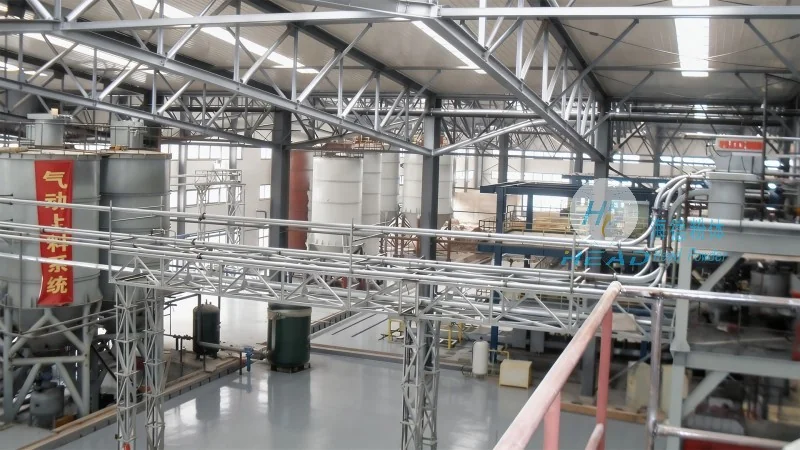
1. Dust Control and Explosion Prevention
Calcium oxide is a fine powder that can generate significant dust during handling. Dust control is a paramount concern due to the risk of dust explosions, which can cause severe damage to equipment and pose a threat to personnel safety. Design principles for dust control include the use of enclosed systems, proper ventilation, and the implementation of explosion-proof equipment. Additionally, the use of inert gases or dust suppression systems may be employed to mitigate the risk of ignition sources.
2. Material Flow and Equipment Selection
The design of material flow pathways is critical to the efficiency of calcium oxide powder handling systems. Proper equipment selection, such as screw conveyors, pneumatic conveyors, or bucket elevators, is essential to ensure smooth and continuous material movement. The choice of equipment depends on factors like the bulk density of the powder, the required throughput, and the distance over which the material needs to be transported. For example, screw conveyors are often used for horizontal or slight incline transport, while pneumatic conveyors are suitable for longer distances or where dust containment is a priority.
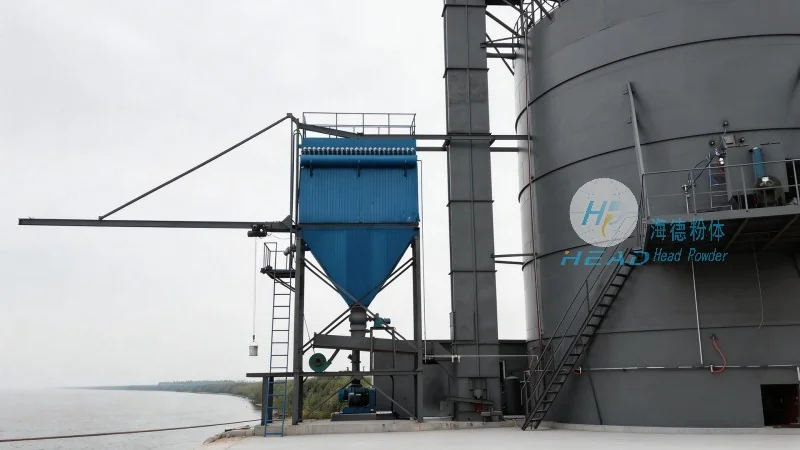
3. Storage and Silo Design
Storage silos are a common component of calcium oxide powder handling systems, designed to hold large quantities of the material while maintaining its quality and preventing degradation. The design of silos must account for the material's flow characteristics, as calcium oxide can be prone to bridging or caking, which can obstruct material flow. To address this, silos are often equipped with agitators or vibrators to promote uniform material flow. Additionally, the silo structure must be robust enough to withstand the weight of the stored material and any potential pressure build-up from moisture absorption or chemical reactions.
4. Safety and Environmental Considerations
Safety is a top priority in calcium oxide powder handling, given the potential hazards associated with dust, heat, and chemical reactions. Design principles include the use of explosion-proof electrical components, proper grounding to prevent static buildup, and the implementation of emergency shutdown systems. Environmental considerations also play a role, as dust emissions must be minimized to comply with environmental regulations. This may involve the use of baghouses or other filtration systems to capture and recycle dust, reducing waste and improving overall sustainability.
5. Maintenance and Operational Flexibility
Effective calcium oxide powder handling systems require regular maintenance to ensure optimal performance and longevity. Design principles should include provisions for easy access to equipment for cleaning and repair, as well as the use of wear-resistant materials to minimize maintenance costs. Operational flexibility is also important, as the system may need to handle varying quantities of material or switch between different materials. This can be achieved through modular design or adjustable equipment settings.
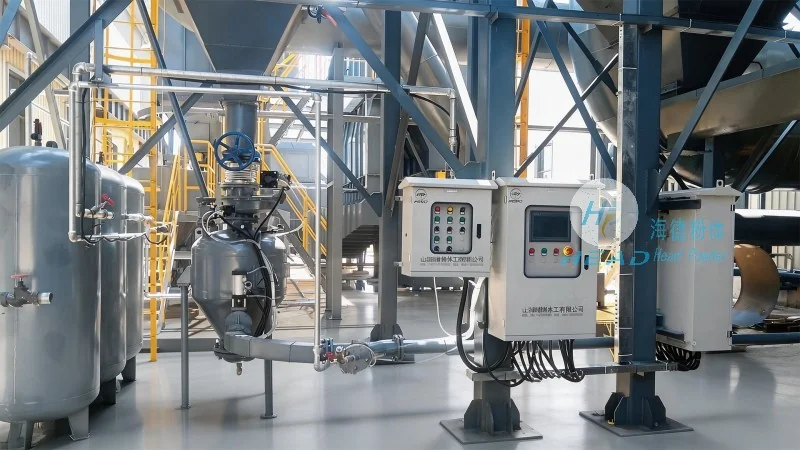
Case Study: HeadPowder Engineering's Calcium Oxide Handling Solutions
Shandong HeadPowder Engineering Co., Ltd., a leading provider of industrial material handling solutions, specializes in designing and manufacturing systems tailored to the unique needs of calcium oxide powder handling. With a focus on safety, efficiency, and durability, HeadPowder offers customized solutions that incorporate the key design principles discussed above. Their expertise in material flow engineering and dust control has enabled them to deliver reliable systems for clients across various industries, including chemical manufacturing, construction, and agriculture.
Conclusion
Calcium oxide powder material handling is a complex process that requires careful consideration of design principles to ensure safe and efficient operations. By addressing dust control, material flow, storage, safety, and maintenance, industrial facilities can optimize their calcium oxide handling systems. Companies like Shandong HeadPowder Engineering Co., Ltd. play a vital role in providing specialized solutions that meet the demands of modern industrial applications, ensuring that calcium oxide is handled effectively and responsibly.