

What is Lightweight Micropowder Material Handling? And Its Design Principles
Lightweight micropowder material handling refers to the technology and systems used to transport and manage fine, lightweight powders such as powders with low bulk density, high dustiness, or those that are prone to caking. This type of material handling is critical in industries like pharmaceuticals, chemicals, food processing, and cosmetics, where precise control over powder flow and dust containment is essential. The design of these systems must address unique challenges posed by micropowders, including their tendency to create dust, their low bulk density affecting conveying efficiency, and the need for gentle handling to prevent product degradation.
Key Design Principles for Lightweight Micropowder Handling Systems
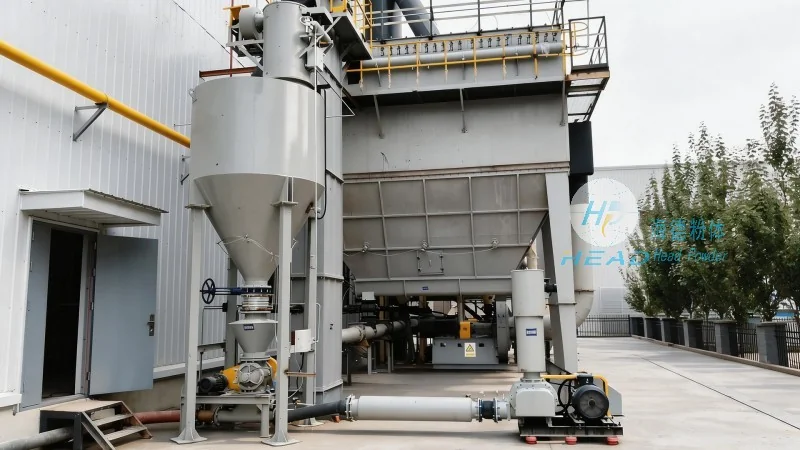
The design of lightweight micropowder handling systems is guided by several fundamental principles aimed at ensuring efficient, safe, and reliable operation. These principles focus on minimizing dust generation, optimizing material flow, and protecting the material from contamination or degradation. A critical aspect is the selection of appropriate equipment that can handle the specific properties of the micropowder, such as its particle size, moisture content, and flowability. For instance, pneumatic conveying systems are often preferred for their ability to handle fine powders with low bulk density, as they use air to transport the material through pipelines, reducing the risk of blockages and ensuring gentle handling.
Components and Technologies in Lightweight Micropowder Handling
Effective lightweight micropowder handling systems typically consist of several key components working in concert. These include feeders, which control the flow rate of the powder into the system; conveying equipment, such as pneumatic or mechanical conveyors, which transport the material from the source to the destination; and separation or filtration systems, which ensure that the material is handled in a dust-free environment. The choice of components depends on the specific characteristics of the micropowder and the application requirements. For example, rotary valves are commonly used as feeders for their ability to provide a consistent flow rate and prevent air leakage, which is crucial for maintaining dust control. Pneumatic conveying systems, particularly the positive displacement type, are often used for high-pressure applications where the material needs to be transported over longer distances or through complex pipe networks.
Addressing Challenges in Micropowder Handling: Design Considerations
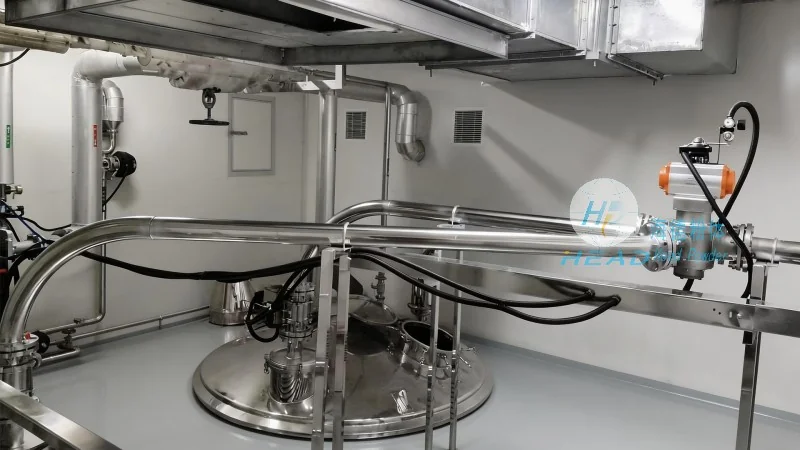
Designing systems for lightweight micropowders requires careful consideration of several challenges to ensure optimal performance. One of the primary challenges is dust generation, which can lead to health hazards and product contamination. To mitigate this, systems often incorporate dust collection and filtration equipment, such as cyclones or baghouses, to capture and remove airborne particles. Another challenge is the low bulk density of micropowders, which can reduce the efficiency of mechanical conveyors. This is addressed by using high-capacity pneumatic systems or by optimizing the design of the conveying lines to minimize pressure losses. Additionally, the tendency of micropowders to agglomerate or cake must be managed through proper moisture control and the use of anti-caking agents or equipment like vibrators or agitators to maintain flowability.
Applications and Industries Benefiting from Lightweight Micropowder Handling
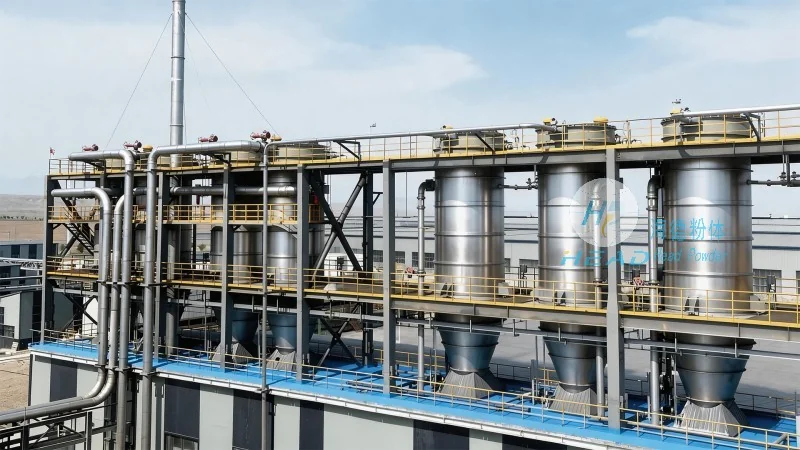
Lightweight micropowder handling systems are widely used across various industries due to their ability to handle fine powders with precision and efficiency. In the pharmaceutical industry, these systems are essential for transporting active pharmaceutical ingredients (APIs) and excipients, where contamination and product degradation must be strictly avoided. The food and beverage industry also relies on such systems for handling ingredients like sugar, flour, and spices, ensuring that the final products meet quality and safety standards. In the chemical industry, lightweight micropowders like pigments, catalysts, and specialty chemicals are transported using these systems, which help maintain product integrity and prevent environmental contamination. The cosmetics industry also benefits from these systems for handling powders like talc, silica, and pigments, which require gentle handling to preserve their properties.
Company Overview: Shandong HeadPowder Engineering Co., Ltd.
Shandong HeadPowder Engineering Co., Ltd., commonly known as HeadPowder, is a leading provider of specialized material handling solutions for lightweight micropowders. With a focus on innovation and customer-centric design, the company has developed advanced systems that address the unique challenges of handling fine, low-density powders. HeadPowder's expertise lies in designing and manufacturing equipment that ensures efficient, safe, and reliable material transport, while minimizing dust generation and product contamination. The company's solutions are tailored to meet the specific needs of various industries, including pharmaceuticals, chemicals, food, and cosmetics, providing customized systems that enhance operational efficiency and product quality. HeadPowder's commitment to quality and customer satisfaction has made it a trusted partner for businesses seeking reliable material handling solutions for their micropowder applications.