

What is a Dry Powder Pneumatic Conveyor? Exploring Its Design Principles
A dry powder pneumatic conveyor is a sophisticated system engineered to transport dry powders and granular materials through a pipeline using air or gas as the conveying medium. This technology is pivotal in industries such as pharmaceuticals, food processing, and chemical manufacturing, where the integrity and purity of materials are paramount. The system’s design is built on fundamental principles that ensure efficient, reliable, and contamination-free material handling, making it a preferred choice for sensitive applications.
The Core Design Principles of Dry Powder Pneumatic Conveyors
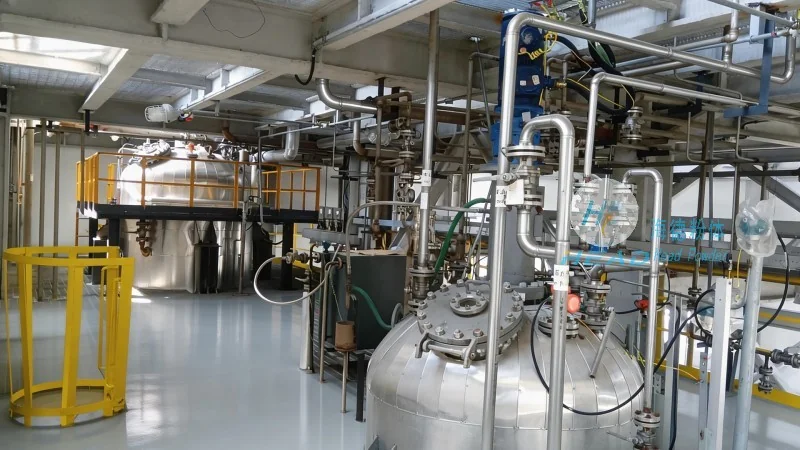
The operation of a dry powder pneumatic conveyor is governed by several key design principles that work in concert to achieve effective material transport. The primary principle is the creation of a pressure differential or vacuum within the pipeline, typically generated by a blower or compressor. This air flow then carries the material from the feeder into the pipeline. The design must account for the material’s physical properties, including particle size, density, and flowability, to determine the optimal air velocity and pressure required for conveying. For instance, cohesive powders may necessitate higher air velocities or specialized feeding mechanisms to prevent blockages, while free-flowing granules can be conveyed at lower velocities. The pipeline layout is equally critical, as it influences pressure drop and overall system efficiency. Proper sizing of the pipeline diameter and length is essential to minimize energy consumption and maintain material integrity. Additionally, the use of corrosion-resistant materials, such as stainless steel, ensures that the system remains durable and hygienic for sensitive applications.

Key Components and Their Functions
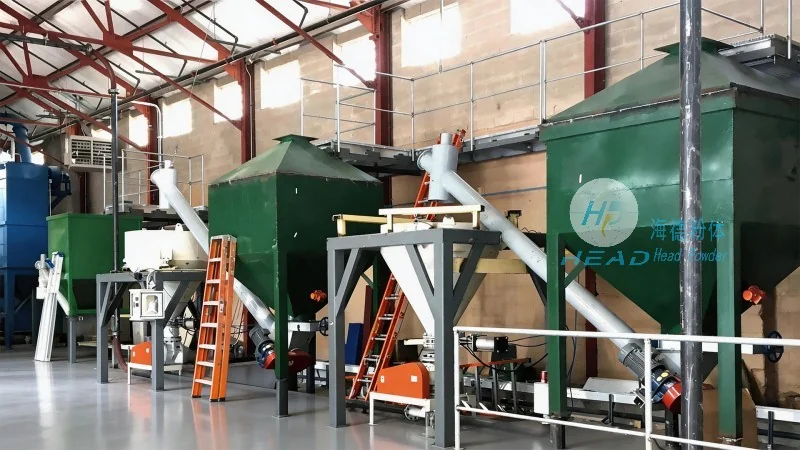
A dry powder pneumatic conveyor comprises several essential components, each playing a vital role in the system’s operation. The air source, usually a blower or compressor, provides the necessary pressure or vacuum to move the material. The material feeder, which can be a rotary valve, screw feeder, or vibratory feeder, introduces the material into the pipeline at a controlled rate. The pipeline itself, typically made of stainless steel or other inert materials, transports the material while preventing contamination. Control valves, including check valves and pressure relief valves, regulate air and material flow, preventing backflow and protecting the system from overpressure. The discharge device, such as a rotary valve or bagging unit, collects the material at the end of the pipeline. Each component must be carefully selected and integrated to match the specific material being conveyed, ensuring optimal performance and safety. For example, in pharmaceutical applications, components are often made of stainless steel to meet GMP (Good Manufacturing Practice) standards, while in food processing, materials are chosen to be food-grade and easy to clean.
Advantages and Industrial Applications
Dry powder pneumatic conveyors offer numerous advantages over traditional material handling methods. One of the most significant benefits is the ability to transport materials over long distances without the need for multiple transfer points, reducing the risk of material degradation and contamination. The system is also compact and can be installed in various locations, making it suitable for both new and existing facilities. Its flexibility allows it to handle a wide range of materials, from fine powders to coarse granules, making it versatile for diverse industrial applications. In pharmaceutical manufacturing, the system is used to transport active pharmaceutical ingredients (APIs) and excipients, ensuring that the materials remain pure and free from contamination. In food processing, it handles powders like flour, sugar, and spices, maintaining product quality and safety. In chemical manufacturing, it transports materials such as cement, plastic resins, and pigments, which are often abrasive and require durable equipment. The ability to handle sensitive materials without contamination makes dry powder pneumatic conveyors indispensable in industries where product purity is non-negotiable.
Design Considerations for Optimal Performance
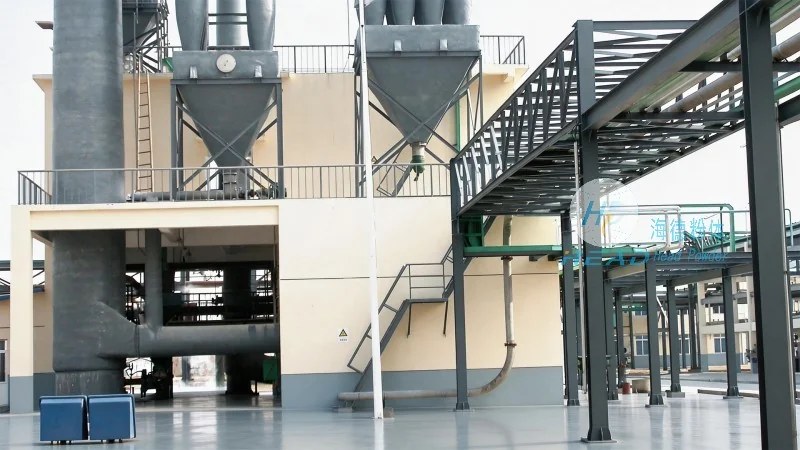
Designing an effective dry powder pneumatic conveyor requires meticulous consideration of several factors to ensure long-term performance and reliability. The first consideration is the material’s physical properties, including particle size distribution, density, and flow characteristics. These properties dictate the required air velocity and pressure to achieve efficient conveying. For example, fine powders may require higher air velocities to prevent clogging, while coarse materials may need lower velocities to preserve material integrity. The pipeline diameter is another critical factor, as it affects pressure drop and system capacity. A larger diameter reduces pressure loss, enabling longer conveying distances but increases cost and space requirements. The layout of the pipeline must minimize bends and changes in direction to reduce pressure losses and prevent material buildup. The use of smooth, corrosion-resistant materials for the pipeline is essential to maintain hygiene and prevent material adhesion. Additionally, the system should be equipped with proper control and monitoring devices, such as pressure gauges, flow meters, and safety valves, to ensure safe and efficient operation. Regular maintenance and cleaning are also crucial to prevent contamination and maintain the system’s performance. By addressing these design considerations, manufacturers can ensure that the dry powder pneumatic conveyor operates efficiently, reliably, and safely for years to come.