

What is an Ammonia Fertilizer Pneumatic Conveying Machine? What are its Design Principles?
Ammonia fertilizer pneumatic conveying machines are specialized equipment designed for the efficient and safe transportation of ammonia-based fertilizers. These machines play a crucial role in the agricultural and chemical industries, enabling the movement of bulk ammonia fertilizers from storage to processing or application points. The technology behind these systems combines pneumatic principles with robust engineering to handle the unique properties of ammonia fertilizers, ensuring optimal performance and operational safety.
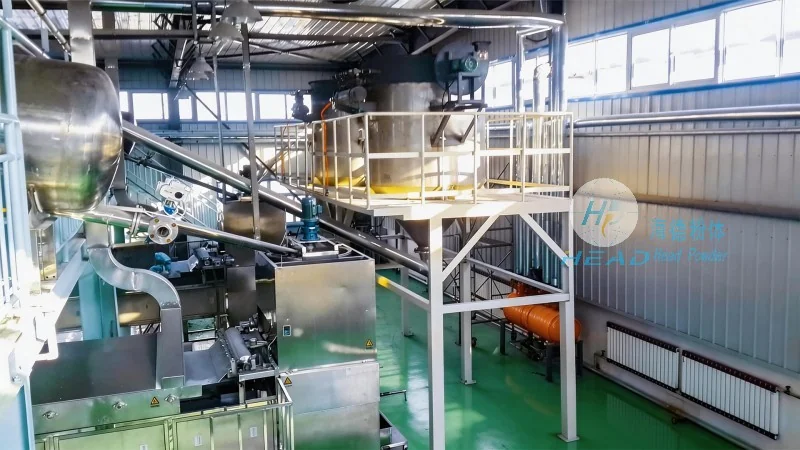
About Shandong HeadPowder Engineering Co., Ltd.
Shandong HeadPowder Engineering Co., Ltd. is a leading manufacturer specializing in the design, development, and production of advanced pneumatic conveying systems. With a strong presence in China, particularly in Shandong province, the company has built a reputation for delivering high-quality, reliable equipment tailored to the specific needs of the fertilizer and chemical sectors. HeadPowder's commitment to innovation and customer satisfaction has positioned it as a trusted partner for businesses seeking efficient and safe fertilizer handling solutions.
Design Principles of Ammonia Fertilizer Pneumatic Conveying Systems
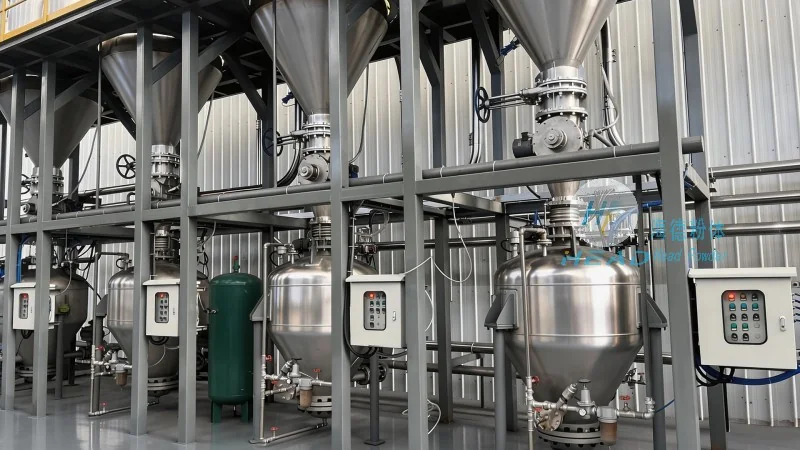
The design of ammonia fertilizer pneumatic conveying machines is based on the fundamental principles of pneumatic transport, which involves the use of air or gas to move solid materials through a pipeline. For ammonia fertilizers, the system must account for several critical factors, including the material's density, flowability, and potential for dust generation. The core components of such a system typically include a feed hopper, a rotary valve or feeder, a pressure vessel or airlock, a conveying pipeline, a gas source (usually a blower or compressor), and a control system. Each component is engineered to work in harmony, ensuring that the ammonia fertilizer is transported with minimal degradation, maximum efficiency, and strict adherence to safety standards.
Key Components and Their Functions
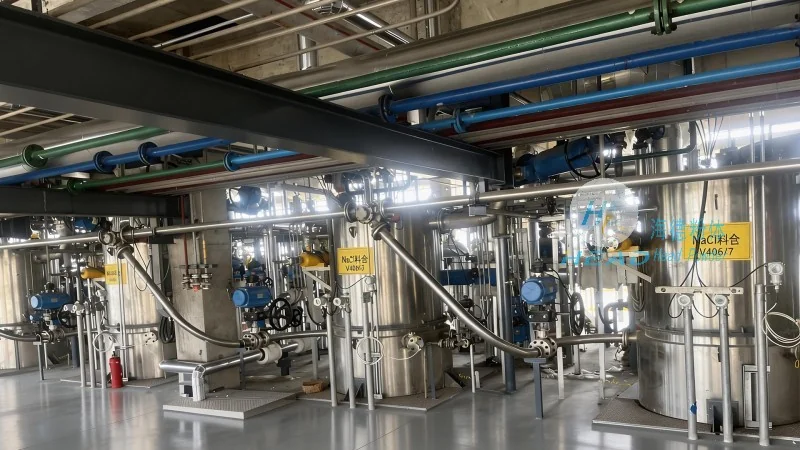
The performance of an ammonia fertilizer pneumatic conveying machine relies on the integration of several key components, each with a specific role in the overall operation. The feed hopper is responsible for storing the bulk ammonia fertilizer and regulating the flow rate into the system. The rotary valve or feeder ensures a consistent and controlled discharge of the material into the conveying pipeline. The pressure vessel or airlock acts as a buffer, preventing backflow and maintaining a stable pressure within the system. The conveying pipeline, often made of corrosion-resistant materials like stainless steel or special alloys, is designed to withstand the chemical properties of ammonia fertilizers and the internal pressure generated during operation. The gas source, typically a high-efficiency blower or compressor, provides the necessary air or gas flow to move the fertilizer through the pipeline. Finally, the control system monitors and regulates the entire process, ensuring that the machine operates within safe parameters and optimizing performance based on real-time conditions.
Considerations for Ammonia Fertilizer Properties
Ammonia fertilizers possess unique characteristics that influence the design and operation of pneumatic conveying systems. These fertilizers are often granular or powdered, with varying densities and flowabilities. Some types may be hygroscopic, meaning they absorb moisture from the air, which can affect their handling properties. Additionally, ammonia fertilizers can be corrosive or reactive under certain conditions, requiring equipment made from materials that resist chemical attack. The design of the conveying system must address these challenges by incorporating features such as sealed systems, corrosion-resistant materials, and proper ventilation to prevent the release of ammonia gas. The control system also plays a vital role in monitoring moisture levels and adjusting the air flow to maintain optimal material transport conditions.
Applications and Advantages in Fertilizer Handling
Ammonia fertilizer pneumatic conveying machines are widely used in various stages of the fertilizer production and distribution process. They are commonly employed in factories for moving raw materials from storage silos to processing units, transporting finished products from production lines to packaging areas, and delivering fertilizers to storage facilities or distribution centers. The advantages of using pneumatic conveying systems for ammonia fertilizers include high efficiency, as they can transport large volumes of material over long distances with minimal labor. These systems also offer improved safety compared to traditional mechanical conveyors, as they eliminate the need for manual handling of bulk materials and reduce the risk of dust explosions. Furthermore, pneumatic conveying is more environmentally friendly, as it minimizes material waste and reduces the environmental impact associated with traditional handling methods. The compact design of these machines also allows for easy integration into existing production facilities, making them a versatile solution for modern fertilizer processing plants.
Maintenance and Operational Tips
To ensure the long-term reliability and efficiency of an ammonia fertilizer pneumatic conveying machine, regular maintenance and proper operation are essential. Regular inspections should be conducted to check for wear and tear on components such as the feed hopper, rotary valve, and conveying pipeline. The gas source and control system should be checked for proper functionality, including air pressure and flow rates. Cleaning the system periodically is also important to prevent the buildup of dust or residue, which can affect performance and safety. Additionally, following the manufacturer's guidelines for operation and maintenance is crucial to avoid damage to the equipment and ensure compliance with safety regulations. By adhering to these practices, users can maximize the lifespan of their pneumatic conveying systems and maintain optimal performance in handling ammonia fertilizers.