

What is a Cassava Pneumatic Conveying System? What are its Design Principles?
For agricultural and industrial applications, especially in processing cassava, efficient material handling is crucial. A cassava pneumatic conveying system is a specialized equipment solution designed to transport cassava or its processed products through a pipeline using air pressure. This system offers advantages such as reduced contamination, improved hygiene, and the ability to handle bulk materials over long distances without the need for mechanical components like belts or buckets.
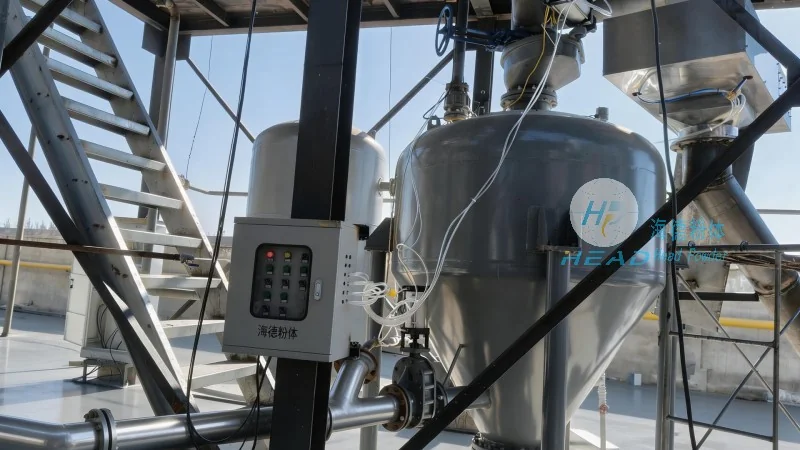
HeadPowder, a leading manufacturer based in Shandong, China, specializes in the design and production of such systems. The company’s expertise lies in creating customized solutions that meet the specific needs of cassava processing facilities, ensuring optimal performance and reliability.
Design Principles of Cassava Pneumatic Conveying Systems
The core design principle of a cassava pneumatic conveying system revolves around the use of air as the conveying medium. The system typically consists of a hopper, a blower or compressor, a pipeline network, and a discharge point. The process begins when cassava is fed into the hopper. The blower then generates a flow of air, which is introduced into the pipeline, creating a low-pressure zone that draws the material into the system. As the air and material travel through the pipeline, the system maintains a consistent flow rate to prevent material settling or blockages. Key design considerations include the selection of appropriate air velocity, pipeline diameter, and material characteristics to ensure efficient and safe transport.
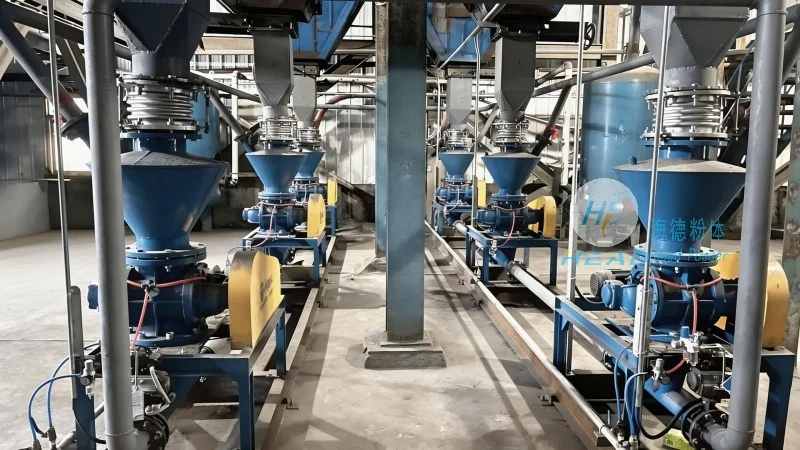
Key Components and Their Functions
Each cassava pneumatic conveying system from HeadPowder includes several critical components, each playing a vital role in the overall operation. The hopper serves as the storage and feeding unit, where cassava is loaded and fed into the system. The blower or compressor provides the necessary air pressure to move the material through the pipeline. The pipeline network, usually made of stainless steel or other corrosion-resistant materials, ensures the material is transported safely and efficiently. The discharge point, often equipped with a valve or control mechanism, allows for controlled release of the material at the destination. Additionally, the system may include filters and cyclones to separate air from the material, maintaining air quality and preventing material loss.
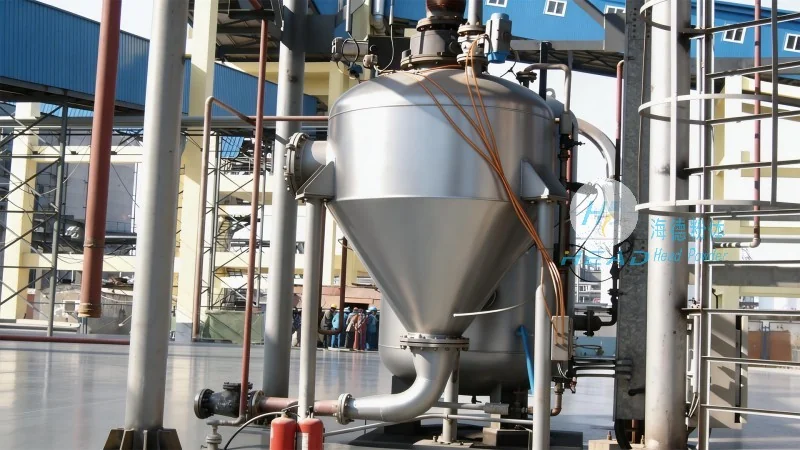
Applications in Cassava Processing
Cassava pneumatic conveying systems are widely used in various stages of cassava processing, from raw material handling to product packaging. In raw material handling, the system efficiently transports harvested cassava from storage areas to processing plants, reducing labor costs and improving workflow. During processing, the system can convey cassava chips, flour, or other by-products between different processing units, such as washing, peeling, and milling. This ensures a smooth and continuous production line, minimizing downtime and maximizing productivity. The hygienic design of the system also makes it suitable for food processing applications, where maintaining product quality and safety is paramount.
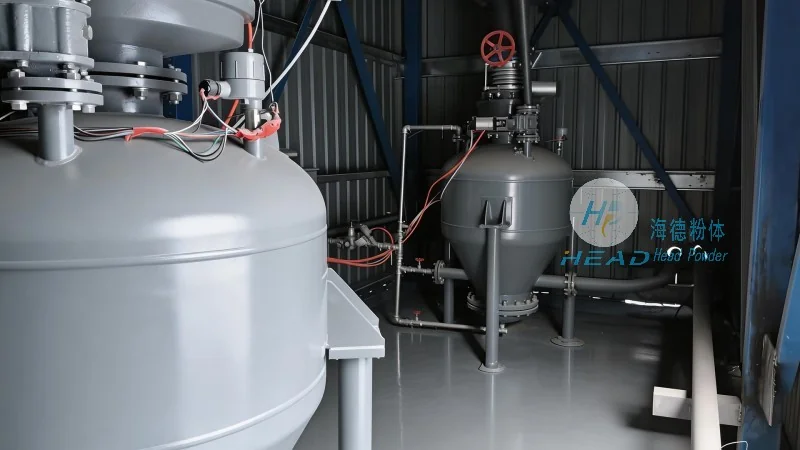
Advantages of Using a Cassava Pneumatic Conveying System
Compared to traditional mechanical conveying systems, cassava pneumatic conveying systems offer several advantages. One of the most significant benefits is the reduction in contamination risk, as the material is enclosed within the pipeline, preventing exposure to dust, moisture, or other contaminants. This is particularly important in food processing, where product purity is critical. Additionally, the system is more hygienic and easier to clean, as there are no moving parts that can harbor bacteria or other microorganisms. The ability to handle bulk materials over long distances without the need for multiple transfer points also reduces the risk of material breakage or loss. Furthermore, the system can be easily integrated with other processing equipment, allowing for a more streamlined and automated production process.
Customization and After-Sales Support
HeadPowder understands that each cassava processing facility has unique requirements. Therefore, the company offers customized solutions tailored to specific production needs. This includes designing systems with different pipeline lengths, material capacities, and air pressure levels. The company’s engineering team works closely with clients to assess their operational needs and provide recommendations for the most suitable system configuration. After the system is installed, HeadPowder provides comprehensive after-sales support, including maintenance services, spare parts supply, and technical assistance. This ensures that the system operates at peak efficiency and provides long-term value to the client.