

What is a Glass Slag Pneumatic Conveying System? And What Are Its Design Principles?
Glass slag pneumatic conveying systems are devices used for the efficient transportation of glass slag produced in the glass manufacturing process. These systems utilize air power to move glass slag from the source to a processing or storage location, finding wide applications in the glass manufacturing, recycling, and waste treatment industries. This article will introduce the basic concepts of such systems and their design principles, helping readers understand their working methods and application values.
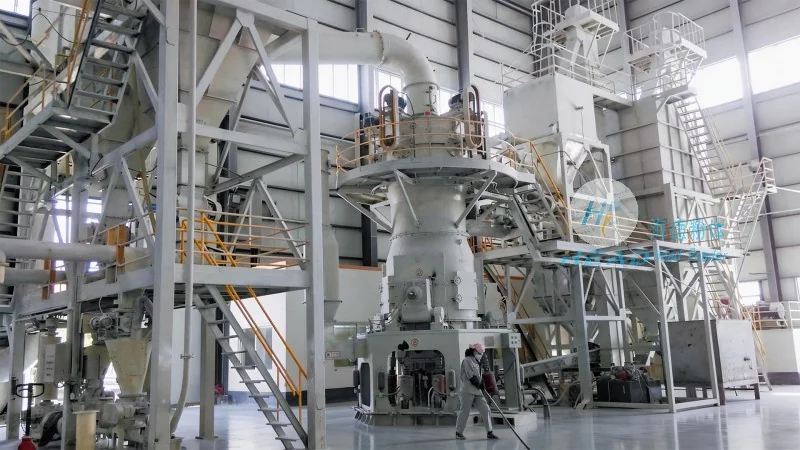
Understanding Pneumatic Conveying Technology
Pneumatic conveying technology uses compressed air or vacuum as a driving force to transport solid particle materials through pipelines. For glass slag, which is characterized by high density and brittleness, pneumatic conveying systems offer a non-contact, continuous transportation solution. Compared with traditional mechanical conveying methods, pneumatic systems have advantages such as reduced material wear, lower equipment maintenance costs, and higher transport efficiency. HeadPowder Engineering Co., Ltd., as a professional engineering company, has rich design experience and application cases in the field of glass slag pneumatic conveying systems.
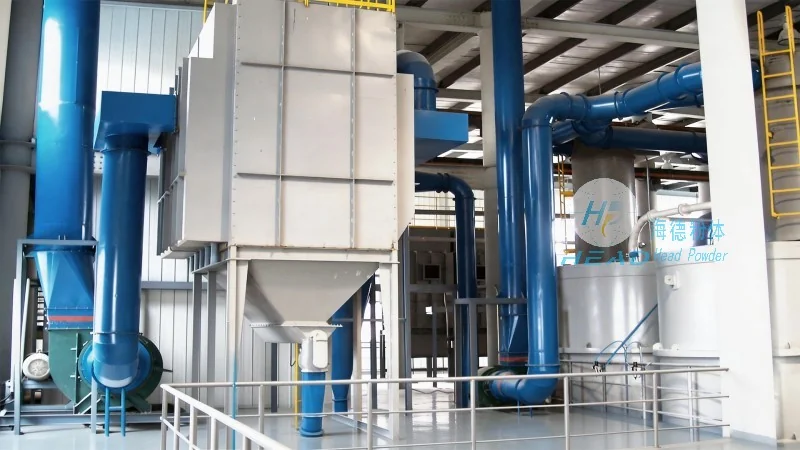
Key Components of a Glass Slag Pneumatic Conveying System
Glass slag pneumatic conveying systems typically consist of several key components, including feeding devices, conveying pipelines, air source equipment, separators, and control units. The feeding device is responsible for uniformly delivering glass slag into the conveying pipeline, possibly using screw conveyors, vibrating feeders, or hoppers. The conveying pipeline is the core of the system, usually made of wear-resistant materials like stainless steel or special plastics to cope with the abrasive nature of glass slag. The air source equipment provides compressed air or vacuum to drive the material flow inside the pipeline. The separator is used to separate the conveyed glass slag from the air, typically using cyclone separators or bag filters. The control unit is responsible for monitoring the system's operating status, such as pressure, flow, and temperature, to ensure stable operation. Shandong HeadPowder Engineering Co., Ltd. customizes the design of these components according to the physical properties of glass slag, the conveying distance, and the conveying volume to meet the specific needs of customers.
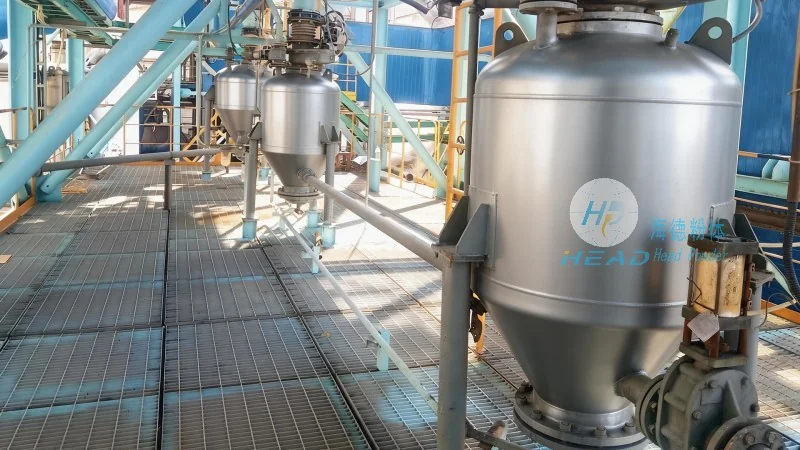
Design Principles for Efficient Glass Slag Conveying
The design of glass slag pneumatic conveying systems must follow several key principles to ensure efficient and reliable transport. First, system design must consider the physical properties of glass slag, such as particle size, density, moisture, and abrasiveness. For example, for fine glass slag particles, finer pipelines and more efficient separators may be required to prevent blockages. Second, the conveying distance and volume are important factors affecting system design. For long-distance transport, multi-stage conveying or vacuum systems may be needed to overcome air resistance. Additionally, system energy consumption is a crucial consideration, with design optimizing pipeline layout and air source parameters to reduce operating costs. HeadPowder Engineering Co., Ltd. conducts detailed calculations and simulations, such as fluid dynamics analysis, to determine the optimal pipeline diameter, air velocity, and pressure, thereby achieving energy-saving and efficient transport. For instance, by optimizing air velocity, the system can ensure high transport efficiency while reducing energy consumption. At the same time, the system's wear-resistant design is also critical, as glass slag's abrasiveness can cause rapid damage to pipelines and components. The company uses advanced materials and technologies, such as wear-resistant coatings and special alloys, to improve the system's service life.
Applications and Benefits of Glass Slag Pneumatic Conveying
Glass slag pneumatic conveying systems are widely applied in the waste treatment and recycling of glass slag from glass manufacturing plants and waste treatment facilities. During the glass manufacturing process, glass slag is a byproduct that needs to be collected and transported to processing sites. Pneumatic systems can efficiently transport these waste materials from production workshops to storage or processing facilities, reducing the labor intensity of manual handling and mechanical conveying. Additionally, for glass slag that needs to be recycled, the pneumatic system can transport it to crushing, cleaning, and remelting equipment for circular utilization. Compared with traditional mechanical conveying methods, pneumatic systems have the following advantages: first, non-contact transport reduces material and equipment wear, extending equipment life; second, continuous transport improves production efficiency and reduces downtime; third, system layout is flexible, adapting to different factory layouts and space constraints. HeadPowder Engineering Co., Ltd.'s glass slag pneumatic conveying systems have been successfully applied in multiple glass manufacturing enterprises, with customer feedback indicating stable system operation, high transport efficiency, and low maintenance costs. For example, a glass factory using the system reduced glass slag transport time by 30% and equipment failure rate by 50%, significantly improving production efficiency.
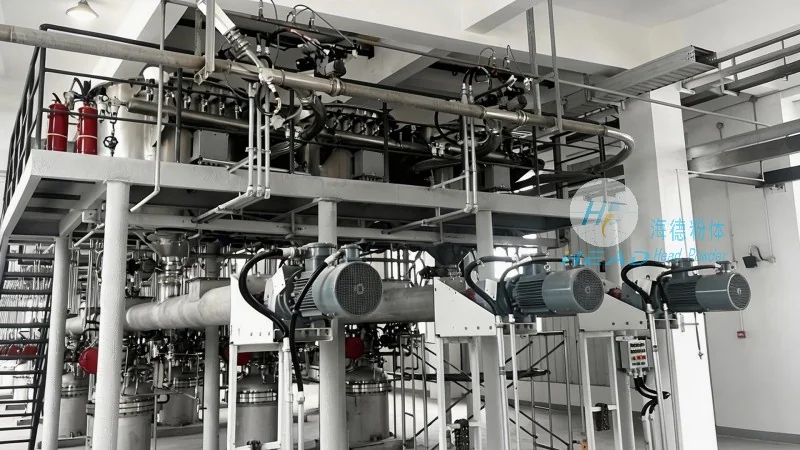
Customization and After-Sales Service by HeadPowder Engineering
HeadPowder Engineering Co., Ltd. provides customized solutions for glass slag pneumatic conveying systems to meet different customer needs. The company designs personalized systems based on customers' glass slag characteristics, conveying distance, processing volume, and budget. For example, for small glass factories, a single-stage conveying system may be used, while large glass factories may require multi-stage or vacuum conveying systems. The company also offers comprehensive after-sales services, including system installation, commissioning, training, and technical support. During system installation, engineers guide customers on proper equipment operation to ensure normal system operation. At the same time, the company provides regular maintenance suggestions, such as replacing worn parts and cleaning separators, to extend system life. Additionally, HeadPowder Engineering Co., Ltd. has a professional technical team capable of solving problems encountered by customers during use, providing timely technical support. For example, a customer encountered pipeline blockage issues after using the system, and the company's engineers remotely diagnosed and guided the customer to resolve the issue, avoiding production interruptions. These services ensure customer satisfaction during use and improve system reliability.