

What is a Molybdenum Concentrate Pneumatic Conveying System? And What Are Its Design Principles?
Molybdenum concentrate, as a high-value mineral product, often requires efficient and reliable transportation methods to ensure stable production and processing. The molybdenum concentrate pneumatic conveying system is a key technology in the mineral processing industry, designed to transport molybdenum concentrate powder through air pressure or vacuum. This system not only improves production efficiency but also reduces labor costs and environmental pollution compared to traditional methods. Understanding the design principles of such a system is crucial for optimizing its performance and ensuring safe operation.
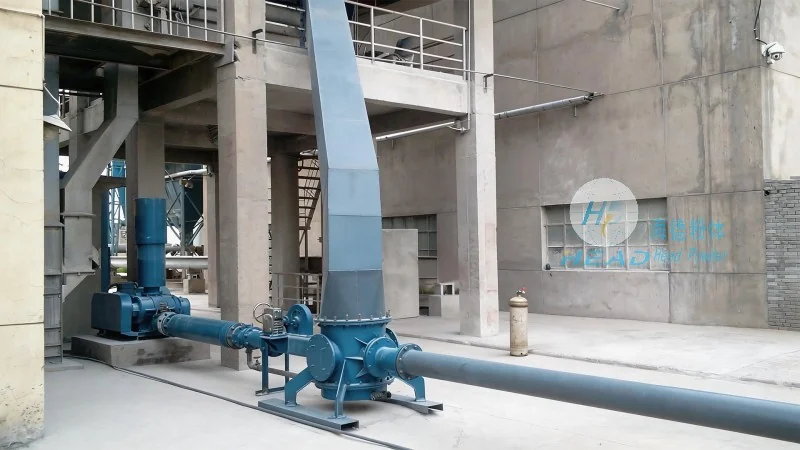
Introduction to Molybdenum Concentrate Pneumatic Conveying Systems
A molybdenum concentrate pneumatic conveying system is a specialized equipment setup used to transport molybdenum concentrate powder from one location to another within a production facility. This system typically consists of a hopper, a conveying pipeline, a blower or vacuum pump, and a receiving hopper. The core of the system is the pneumatic conveying technology, which uses air flow to move the powder material through the pipeline. The system is widely used in molybdenum mining and processing plants, as well as in other industries where fine powder materials need to be transported over medium to long distances.
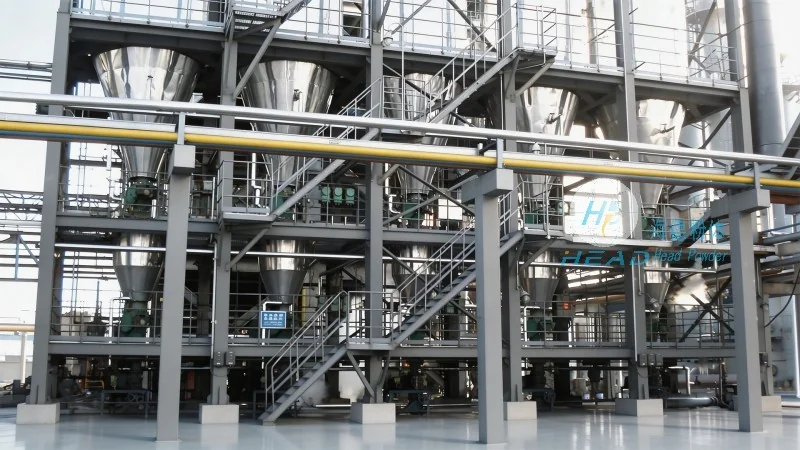
Key Components of the Molybdenum Concentrate Pneumatic Conveying System
The design of a molybdenum concentrate pneumatic conveying system involves several critical components, each playing a vital role in the overall operation. The first component is the material hopper, which stores the molybdenum concentrate powder and feeds it into the conveying system. The hopper is usually equipped with a feeder, such as a rotary valve or a screw feeder, to control the flow rate of the material. The conveying pipeline is made of materials resistant to corrosion and wear, such as stainless steel or special plastic, to prevent the powder from adhering to the pipe walls and causing blockages. The blower or vacuum pump provides the necessary air pressure or vacuum to move the powder through the pipeline. The receiving hopper collects the material at the end of the conveying line and can be connected to the next processing stage. Additionally, the system may include filters and cyclones to separate the air from the powder and prevent dust from being released into the environment.
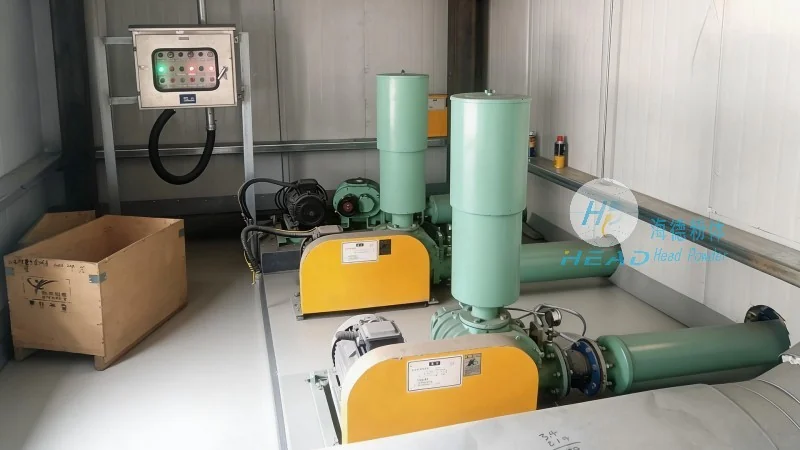
Design Principles and Considerations for Molybdenum Concentrate Pneumatic Conveying
The design principles of a molybdenum concentrate pneumatic conveying system are based on several key factors, including the material properties of the molybdenum concentrate, the distance and elevation changes between the feeding and receiving points, and the required flow rate. The material properties, such as particle size, density, and moisture content, significantly affect the conveying performance. For example, finer particles may require higher air velocities to prevent settling and blockages. The distance and elevation changes determine the required air pressure or vacuum, as well as the power consumption of the system. The flow rate is determined by the production capacity and the processing speed of the downstream equipment. To ensure efficient and stable operation, the design must consider the velocity of the air flow, the pressure drop along the pipeline, and the potential for material degradation or agglomeration. The system should also be designed with safety in mind, including proper ventilation and dust collection to protect the environment and the workers.
Application and Benefits of Molybdenum Concentrate Pneumatic Conveying Systems
The molybdenum concentrate pneumatic conveying system offers several advantages over traditional transportation methods. First, it can transport the material over long distances without the need for intermediate storage or handling. Second, it reduces labor costs by automating the material movement process. Third, it minimizes environmental pollution by containing the powder within the system and preventing dust from being released into the air. Fourth, it improves production efficiency by ensuring a continuous and stable flow of material to the processing equipment. The system is particularly suitable for molybdenum processing plants that require the transportation of large quantities of fine powder over medium to long distances. By using a pneumatic conveying system, these plants can achieve higher productivity and lower operating costs.
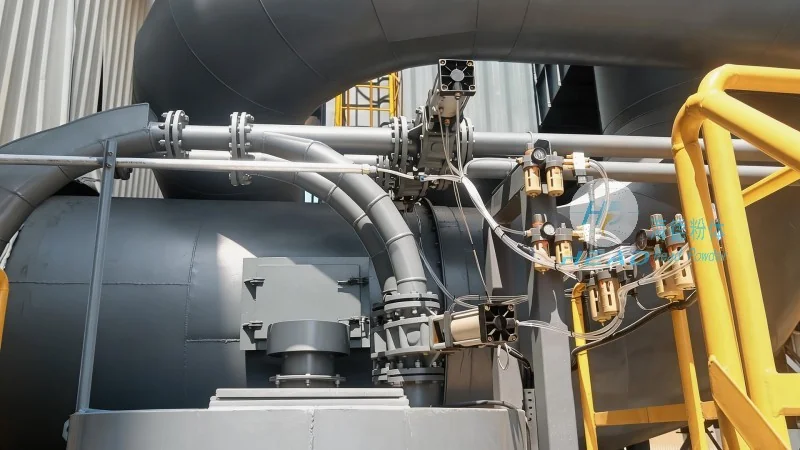
Shandong HeadPowder Engineering Co., Ltd. and Molybdenum Concentrate Pneumatic Conveying Solutions
Shandong HeadPowder Engineering Co., Ltd., a professional engineering company based in China, specializes in the design, manufacturing, and installation of molybdenum concentrate pneumatic conveying systems. With years of experience in the mineral processing industry, the company has developed a deep understanding of the unique requirements of molybdenum concentrate transportation. The company's engineers work closely with clients to understand their specific needs and design customized systems that meet their production requirements. The systems are designed with high-quality materials and advanced technology to ensure reliable and efficient operation. The company also provides after-sales service and maintenance to ensure the long-term performance of the systems. By choosing Shandong HeadPowder Engineering Co., Ltd., clients can be confident that they are getting a reliable and effective molybdenum concentrate pneumatic conveying system that will meet their needs for years to come.