

What is a Glass Powder Pneumatic Conveying System? And What Are Its Design Principles?
For industries dealing with glass powders, efficient and reliable material handling is crucial. Traditional methods often fall short when it comes to handling fine, abrasive, or dusty glass powders. This is where a glass powder pneumatic conveying system comes into play, offering a solution that combines efficiency, safety, and precision. In this article, we will explore what these systems are and delve into their fundamental design principles.
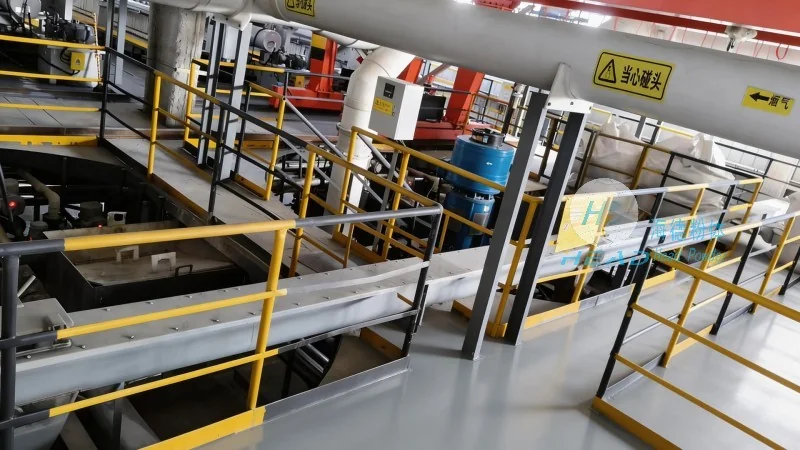
Understanding Pneumatic Conveying for Glass Powders
Pneumatic conveying is a method of transporting bulk materials through a pipeline using air or gas as the conveying medium. Unlike mechanical systems that rely on belts, screws, or buckets, pneumatic systems use pressure differentials to move materials. For glass powders, this approach is particularly advantageous due to the material's fine particle size and potential for dust generation. The system typically operates under either positive pressure (where air is forced through the pipeline) or negative pressure (where air is drawn out to pull materials). The choice between these modes depends on the specific application, material characteristics, and operational requirements.
Core Design Principles of Glass Powder Pneumatic Systems
The design of a glass powder pneumatic conveying system is governed by several key principles that ensure optimal performance and longevity. First, the system must be engineered to handle the unique properties of glass powders, such as their abrasive nature, which can cause wear on components. This requires the use of materials that are resistant to corrosion and abrasion, such as stainless steel or specialized alloys. Second, the system's pressure and flow rates are critical. Proper pressure management ensures that the glass powder is conveyed smoothly without clogging or degradation. The flow rate must be carefully calibrated to match the material's particle size and density, preventing issues like particle segregation or blockages.
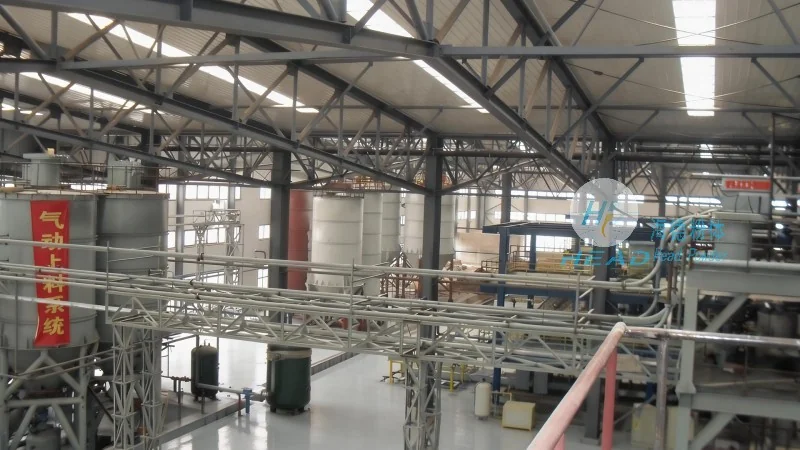
Third, the system's layout and pipeline design are essential. The configuration of the pipeline, including bends, expansions, and contractions, directly impacts the conveying efficiency. Well-designed pipelines minimize pressure losses and prevent material accumulation. Additionally, the inclusion of separation and filtration components is vital to maintain air quality and protect downstream equipment from dust contamination. These components, such as cyclone separators and bag filters, are integral to the system's overall performance and compliance with environmental regulations.
Key Components and Their Functions
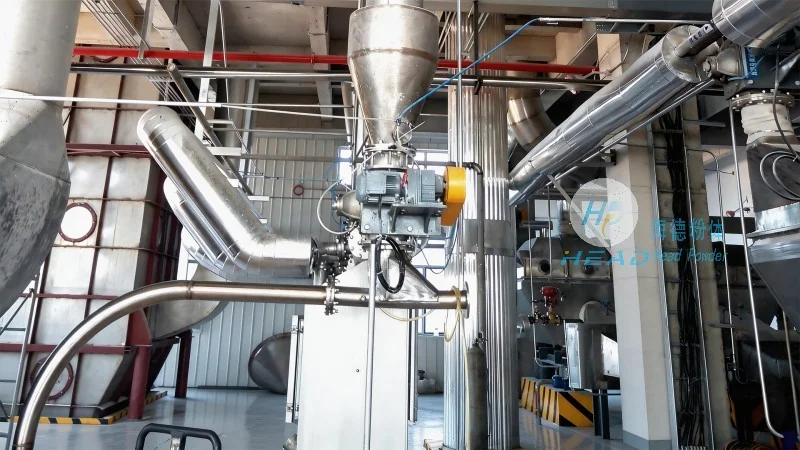
A glass powder pneumatic conveying system comprises several key components, each playing a vital role in the overall operation. The primary components include the material feeder, which introduces the glass powder into the system, typically under controlled pressure. The feeder must be designed to handle the material's flow characteristics, ensuring a consistent feed rate. The conveying line, made of durable materials like stainless steel or PTFE-coated pipes, transports the material from the feeder to the destination. The system may include a series of bends and fittings to navigate the path, with each component selected for its ability to withstand the abrasive nature of glass powders.
At the receiving end, a separation or collection unit is used to extract the glass powder from the air stream. This unit, often a cyclone separator, uses centrifugal force to separate the particles from the air. The separated powder is then collected in a hopper or container. To ensure clean air is released back into the environment, a filtration system, such as a bag filter or cartridge filter, is employed. These filters capture any residual dust, preventing air pollution and maintaining compliance with environmental standards.
Application Scenarios and Benefits
Glass powder pneumatic conveying systems are widely used in various industries, including glass manufacturing, ceramics, and construction. In glass production, these systems are essential for transporting raw materials like silica sand and soda ash to the melting furnaces. The ability to handle fine powders efficiently reduces downtime and improves production throughput. In the ceramics industry, similar systems are used to convey clay and other raw materials to processing lines. The benefits of using pneumatic conveying for glass powders extend beyond efficiency; they also enhance safety by minimizing dust exposure and reducing the risk of material spillage. Additionally, these systems are more compact and flexible compared to traditional mechanical systems, allowing for easier integration into existing production facilities.
The Role of Shandong HeadPowder Engineering Co., Ltd.
Shandong HeadPowder Engineering Co., Ltd., commonly known as headpowder, is a leading provider of customized pneumatic conveying solutions for glass powders and other fine materials. With years of experience in the industry, the company specializes in designing and manufacturing systems that meet the unique demands of its clients. HeadPowder's team of engineers leverages advanced technology and extensive knowledge to develop tailored solutions that optimize material handling processes. The company's commitment to quality and innovation ensures that its systems are reliable, efficient, and compliant with industry standards. By partnering with headpowder, businesses can enhance their operational efficiency, reduce costs, and improve overall productivity in handling glass powders. The company's headquarters is located in Shandong, China, where it continues to serve clients globally with its expertise and dedication to excellence.