

What is a Tungsten Carbide Pneumatic Conveying System? What Are Its Design Principles?
For industrial applications requiring efficient and reliable material handling, the tungsten carbide pneumatic conveying system stands out as a robust solution. This technology is designed to transport bulk materials through a pipeline using air or other gas as the conveying medium. Understanding its core components and design principles is essential for optimizing performance and ensuring longevity in demanding environments. As a leading manufacturer in this field, Shandong HeadPowder Engineering Co., Ltd. specializes in developing and supplying high-quality tungsten carbide pneumatic conveying systems tailored to meet the specific needs of various industries.
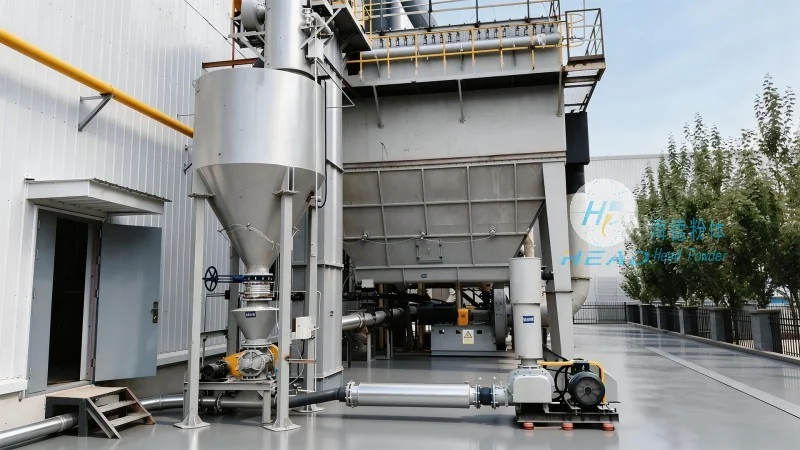
Introduction to Tungsten Carbide Pneumatic Conveying Systems
A tungsten carbide pneumatic conveying system is a specialized equipment setup used in various industries, including mining, metallurgy, and chemical processing. The system’s primary function is to move bulk solids, such as powders or granules, from one location to another without the need for mechanical components like belts or buckets. This method offers advantages like reduced maintenance, improved safety, and the ability to handle abrasive materials effectively. The system is particularly valuable in applications where traditional conveying methods may suffer from excessive wear due to the hardness of tungsten carbide particles.
Key Components of the Tungsten Carbide Pneumatic Conveying System
The system comprises several critical components that work in tandem to achieve efficient material transport. These include the material feed hopper, which stores and feeds the bulk material into the system; the air compressor or blower, which generates the necessary air pressure to move the material; the conveying pipeline, typically made of durable materials like stainless steel or specialized alloys to withstand the abrasive nature of tungsten carbide particles; and the control valves and regulators that manage the air flow and pressure. Additionally, the system may include filters and cyclones to separate the conveyed material from the air stream, ensuring clean air release and material recovery. Each component is engineered to withstand the harsh conditions associated with tungsten carbide handling, minimizing wear and maximizing operational efficiency.
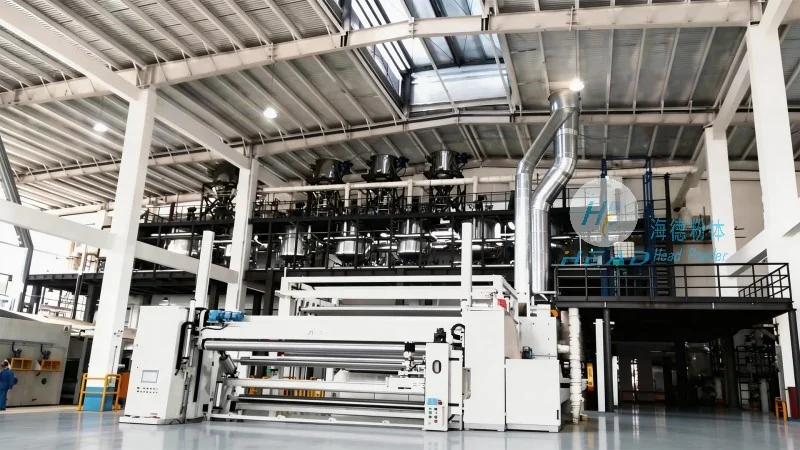
Design Principles Behind the Tungsten Carbide Pneumatic Conveying System
The design of a tungsten carbide pneumatic conveying system is guided by several key principles aimed at maximizing efficiency, minimizing wear, and ensuring safe operation. One of the fundamental principles is the selection of appropriate air velocity and pressure. The air velocity must be high enough to overcome the gravitational forces acting on the particles but low enough to prevent excessive wear on the system components. The pressure is typically maintained at a level that ensures consistent material flow without causing excessive stress on the pipeline or other parts. Engineers must carefully calculate the required air volume and pressure based on the type and density of the tungsten carbide particles being conveyed, considering factors such as particle size, shape, and moisture content.
Another critical design principle is the material handling capacity. Proper sizing of the conveying pipeline and air compressor is essential to avoid bottlenecks or excessive energy consumption. The system’s design must account for the specific characteristics of tungsten carbide, such as its high hardness and abrasive properties, to ensure that all components are capable of withstanding the constant impact and friction. This involves selecting materials with high wear resistance, such as tungsten carbide itself for key parts like the feed hopper and pipeline elbows, to extend the service life of the equipment.
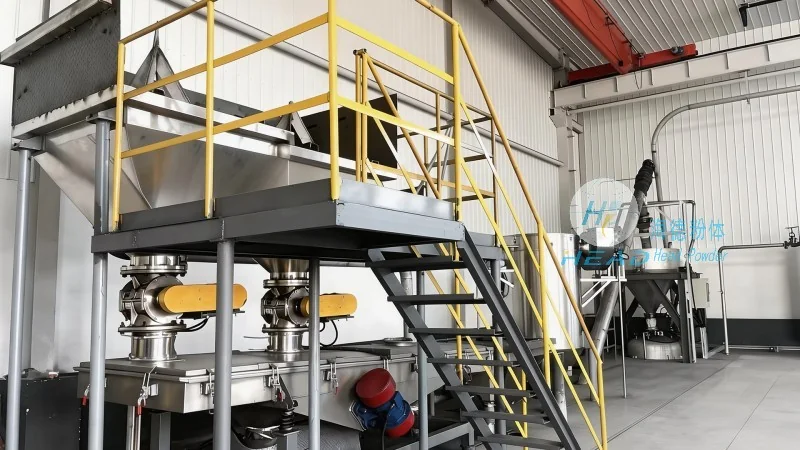
Advantages of Using Tungsten Carbide in Pneumatic Conveying Systems
Tungsten carbide is chosen for its exceptional hardness, wear resistance, and chemical stability, making it ideal for handling abrasive materials. In a pneumatic conveying system, components such as the feed hopper, pipeline elbows, and valves are often lined or constructed from tungsten carbide to extend their service life. This material can withstand the constant impact and abrasion caused by high-density tungsten carbide particles, reducing the frequency of maintenance and replacement. Furthermore, tungsten carbide’s resistance to corrosion and chemical reactions ensures that the system remains effective even in harsh environments, such as those involving acidic or alkaline substances. The use of tungsten carbide in critical parts of the system also contributes to improved safety, as it reduces the risk of material leakage or system failure due to component degradation.
Application Examples and Industrial Use Cases
Tungsten carbide pneumatic conveying systems are widely used in industries where the handling of abrasive materials is a priority. For instance, in the mining sector, these systems are employed to transport crushed tungsten ore from processing plants to storage facilities. The high wear resistance of tungsten carbide ensures that the system can handle the abrasive nature of the ore without frequent maintenance. In metallurgical applications, they are used to convey tungsten carbide powders for the production of cutting tools and wear-resistant components. The chemical industry also benefits from this technology when handling tungsten carbide-based catalysts or pigments, as the system can maintain the purity of the material while ensuring efficient transport. Additionally, in the manufacturing of tungsten carbide tools, these systems help in the precise delivery of raw materials to production lines, improving overall production efficiency.
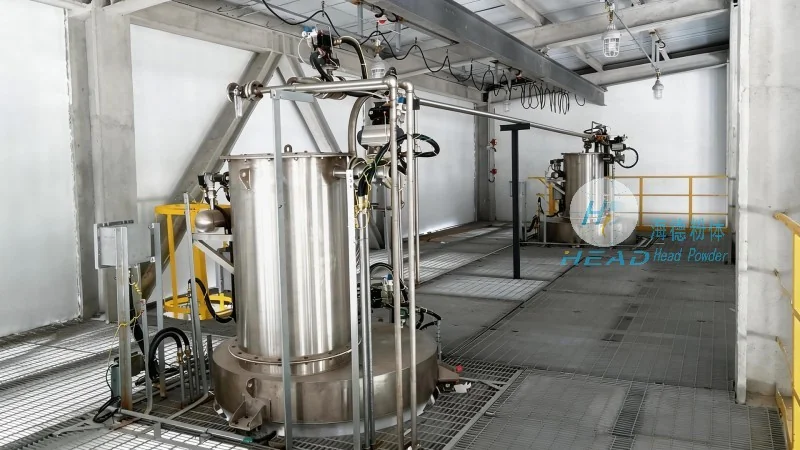
Maintenance and Operational Considerations
Proper maintenance is crucial to ensure the longevity and efficiency of a tungsten carbide pneumatic conveying system. Regular inspections of the pipeline for signs of wear or damage are necessary, as even minor cracks can lead to material leakage or system failure. The air compressor and blower should be checked for proper functioning, with filters and oil levels maintained to prevent contamination and overheating. Additionally, the control valves and regulators must be calibrated regularly to maintain consistent air pressure and flow rates. By adhering to a proactive maintenance schedule, users can minimize downtime and maximize the operational life of the system. Shandong HeadPowder Engineering Co., Ltd. provides comprehensive maintenance services and spare parts to support their clients, ensuring that systems remain in optimal condition throughout their service life.
Conclusion
In summary, a tungsten carbide pneumatic conveying system is a sophisticated and efficient solution for handling abrasive bulk materials in industrial settings. Its design, based on principles of air pressure, material flow, and component durability, ensures reliable performance and long-term operation. By leveraging the unique properties of tungsten carbide, this system provides a robust alternative to traditional mechanical conveying methods, offering benefits such as reduced maintenance, improved safety, and enhanced material handling capabilities. For industries dealing with demanding materials like tungsten carbide, investing in such a system is a strategic choice that can lead to significant operational advantages. With expertise in both the technology and material science, Shandong HeadPowder Engineering Co., Ltd. continues to innovate and provide high-quality solutions that meet the evolving needs of modern industrial applications.