

Principle of Rare Earth Mineral Powder Pneumatic Conveying System
HeadPowder, a leading engineering firm based in Shandong, China, specializes in the design and implementation of advanced pneumatic conveying systems for handling rare earth mineral powders. This article provides a detailed explanation of the fundamental principles underlying such systems, emphasizing the technical aspects and operational efficiency crucial for industrial applications.
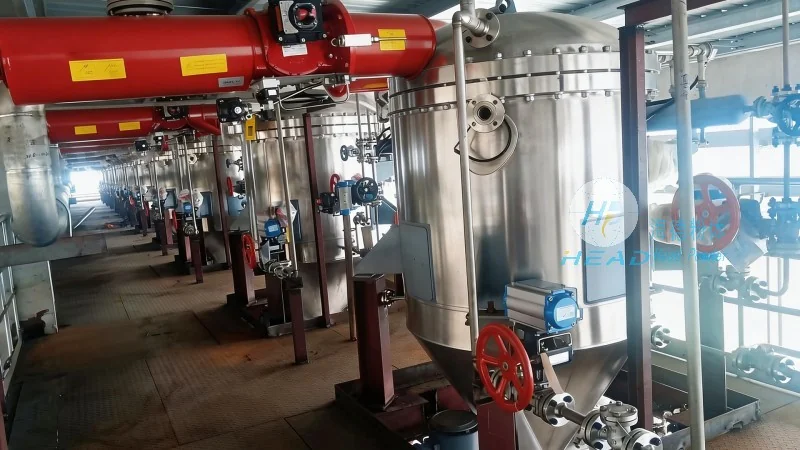
Core Components and Functionality of Pneumatic Conveying Systems
A pneumatic conveying system for rare earth mineral powders typically consists of several key components that work in concert to transport material from a source to a destination. The primary elements include a material feed hopper, a conveying line (often equipped with pressure or vacuum mechanisms), a control valve system, and a discharge hopper or collection unit. The material feed hopper is designed to store and meter the rare earth powder, ensuring a consistent flow rate into the conveying line. The conveying line, which may be made of stainless steel or other corrosion-resistant materials, is responsible for transporting the powder through the system under controlled pressure or vacuum conditions. The control valve system regulates the flow of air or gas, managing the pressure and velocity within the line to maintain optimal material transport. Finally, the discharge hopper collects the material at the end of the conveying line, allowing for further processing or storage.
Principles of Material Transport in Pneumatic Conveying
The operation of a pneumatic conveying system relies on the fundamental principle of fluidization and suspension of the solid particles within a gas stream. When air or another gas is introduced into the conveying line at a sufficient velocity, it creates a turbulent flow that suspends the rare earth mineral powder particles. This suspension allows the material to be transported as a dense or dilute phase, depending on the system design and operational parameters. The key to efficient transport lies in maintaining the correct gas velocity and pressure to prevent particle segregation, agglomeration, or blockages within the system. Proper design of the conveying line diameter, length, and bends is critical to minimize pressure drop and energy consumption while ensuring reliable material movement.
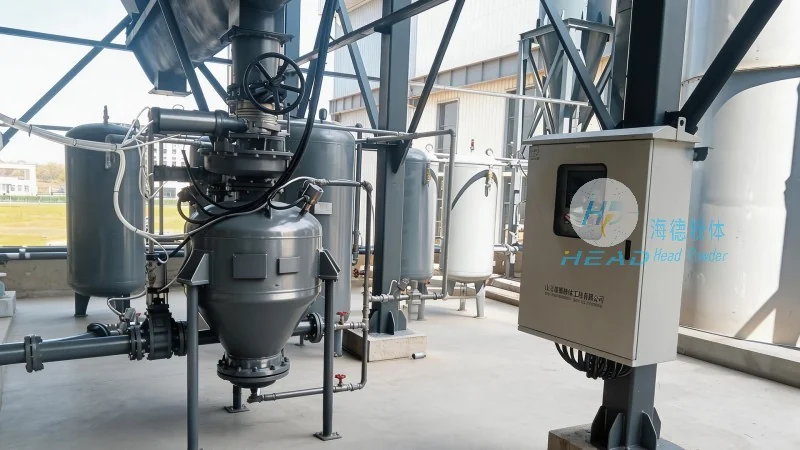
Advantages of Pneumatic Conveying for Rare Earth Mineral Processing
Compared to traditional mechanical conveying methods, pneumatic conveying systems offer several advantages when handling rare earth mineral powders. These include the ability to transport materials over long distances without the need for multiple transfer points, reduced risk of contamination due to enclosed systems, and lower maintenance requirements as there are fewer moving parts involved. Additionally, pneumatic conveying can handle materials with varying particle sizes and moisture content, making it versatile for different stages of rare earth processing, such as ore crushing, grinding, and separation. The system's flexibility in controlling flow rates and pressure also allows for integration with other processing equipment, enhancing overall plant efficiency.
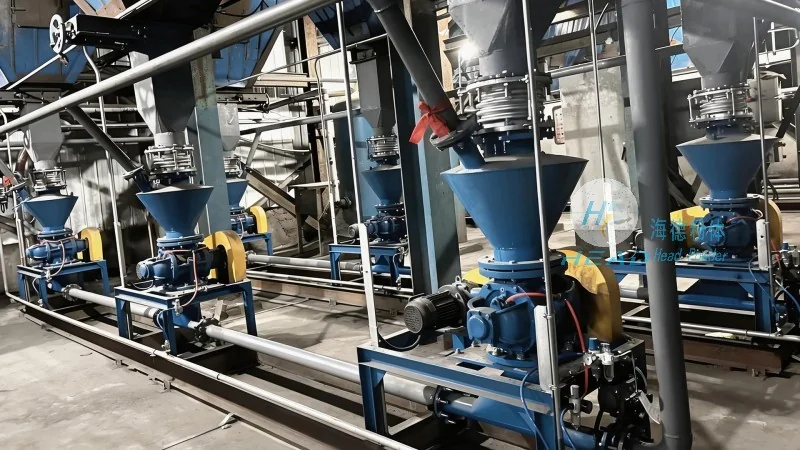
Application Examples in Rare Earth Industry
Pneumatic conveying systems are widely used in the rare earth industry for various applications, including the transport of raw ore, intermediate products, and finished powders. For instance, in a typical rare earth processing plant, the system may be employed to move crushed and ground rare earth ore from a storage silo to a magnetic separation unit. Another application involves transporting the separated rare earth concentrates from the separation stage to a drying or calcination facility. The ability of pneumatic conveying to handle fine powders without causing dust dispersion or environmental issues makes it an ideal choice for maintaining compliance with environmental regulations in the rare earth sector.
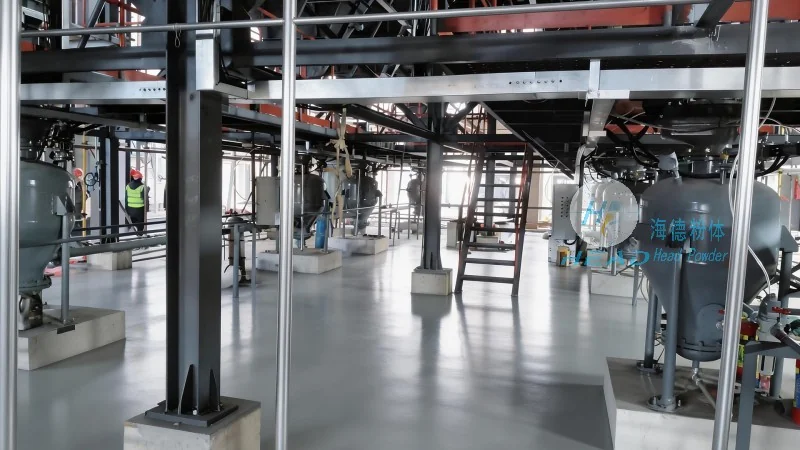
Technical Considerations for System Design and Optimization
Designing an effective pneumatic conveying system for rare earth mineral powders requires careful consideration of several technical factors. The first is the selection of the appropriate conveying medium, whether it's air, nitrogen, or another inert gas, depending on the material's reactivity and the need to prevent oxidation. The second is the determination of the optimal gas velocity, which must be high enough to suspend the particles but low enough to avoid excessive pressure drop and energy consumption. The third is the sizing of the conveying line, including the diameter and length, which are influenced by the material's flow properties, such as density, particle size distribution, and moisture content. Additionally, the system must be equipped with proper filtration and dust collection mechanisms to ensure clean air discharge and prevent material loss. Regular maintenance and performance monitoring are also essential to ensure the system operates efficiently and reliably over time.
Conclusion
HeadPowder Engineering Co., Ltd., based in Shandong, China, leverages its expertise in pneumatic conveying technology to provide customized solutions for the transportation of rare earth mineral powders. By understanding the fundamental principles of material transport and optimizing system components, the company ensures efficient, reliable, and cost-effective operations for its clients in the rare earth industry. The advanced design and implementation of pneumatic conveying systems contribute significantly to the overall productivity and environmental compliance of rare earth processing facilities.