

Principle of Pneumatic Conveying System for Masterbatch Granules
Understanding the fundamental principles of pneumatic conveying systems is crucial for industries dealing with masterbatch granules, as these systems offer efficient and reliable methods for transporting bulk materials. The core concept behind pneumatic conveying involves using air or gas as the medium to move solid particles through a pipeline. This technology is particularly advantageous for masterbatch granules due to their specific properties, such as size, density, and moisture content, which can affect traditional conveying methods.
How Pneumatic Conveying Systems Work
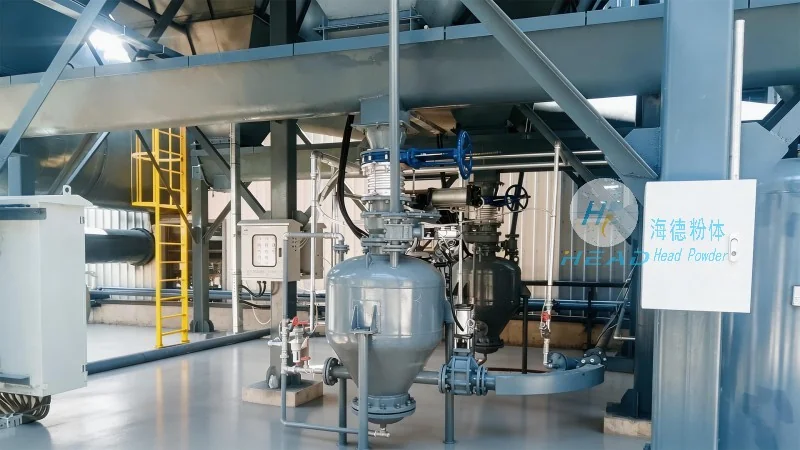
A pneumatic conveying system for masterbatch granules typically consists of several key components, including a hopper, a feeder, a conveyor line, and a receiver. The process begins when masterbatch granules are fed into the hopper from a storage silo or bag. The feeder then controls the flow of granules into the conveyor line, ensuring a consistent and controlled rate of material introduction. As the granules enter the conveyor line, they are entrained by a stream of air or gas, which propels them through the pipeline. The air velocity is carefully managed to maintain a stable suspension of the granules, preventing blockages or degradation of the material.
The conveying line itself is designed with appropriate dimensions and materials to withstand the pressure and abrasion caused by the granules. Often, the line is equipped with bends and transitions to guide the material smoothly to the receiver. The receiver, which may be a storage tank or a processing unit, collects the conveyed masterbatch granules. The air used in the system is then separated from the material in a separator or cyclone, allowing the granules to be discharged while the air is recirculated or vented. This closed-loop system enhances efficiency and reduces material loss.
Key Components and Their Functions
Each component of a pneumatic conveying system plays a vital role in ensuring optimal performance. The hopper serves as the initial storage and feeding point, providing a controlled environment to prevent material degradation or contamination. The feeder, which can be a rotary valve or a screw feeder, regulates the flow rate of masterbatch granules into the conveyor line. This control is essential for maintaining consistent air-to-material ratios, which directly impacts the conveying efficiency and system stability.
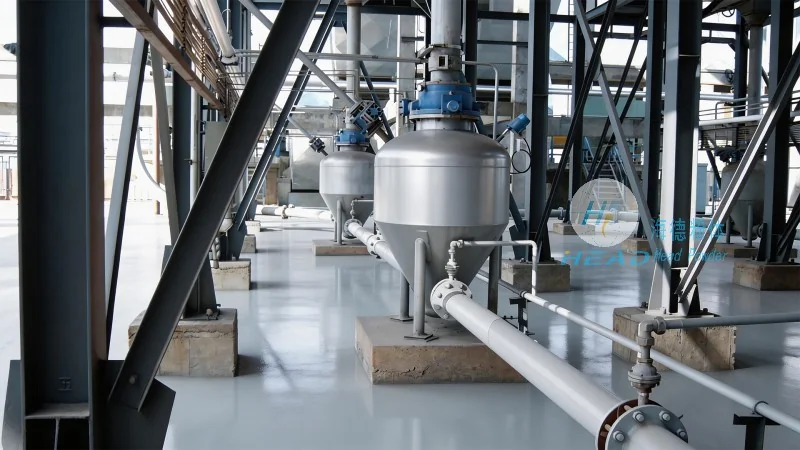
The conveyor line is the central part of the system, where the granules are transported. It is usually made of stainless steel or other corrosion-resistant materials to handle the abrasive nature of masterbatch granules. The line may include features like expansion joints or flexible connectors to accommodate thermal expansion and reduce stress on the system. The air supply system, which generates the necessary pressure and flow rate, is critical. It may include a blower or a compressor, along with filters and regulators to ensure clean and consistent air quality.
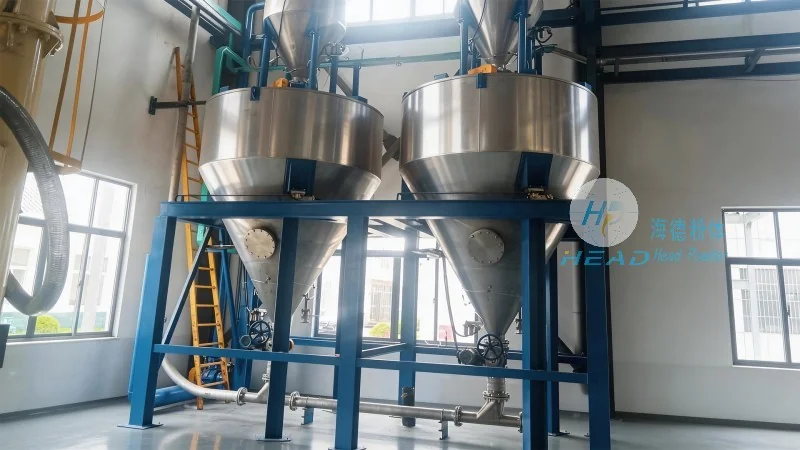
The receiver is responsible for collecting the conveyed material. It is designed to handle the incoming flow and may include a discharge valve or a conveyor to transfer the granules to the next processing stage. The separation unit, such as a cyclone or a bag filter, removes the air from the material stream, ensuring that the granules are clean and free from dust or debris. This separation process is crucial for maintaining product quality and preventing contamination in downstream processes.
Advantages of Pneumatic Conveying for Masterbatch Granules
Pneumatic conveying systems offer several advantages over traditional mechanical conveying methods for masterbatch granules. One of the primary benefits is the ability to transport materials in a closed system, which minimizes exposure to environmental factors and reduces the risk of contamination. This is particularly important for masterbatch granules, which are often used in sensitive applications like plastics and coatings, where purity is paramount.
Another advantage is the flexibility of pneumatic conveying. The system can be easily modified or expanded to accommodate changes in production volume or material types. It can handle a wide range of particle sizes and densities, making it suitable for various masterbatch formulations. The enclosed nature of the system also reduces dust emissions, improving workplace safety and compliance with environmental regulations.
Efficiency is another key benefit. Pneumatic conveying systems can achieve high material throughput with relatively low energy consumption compared to other methods. The controlled air flow ensures that the granules are conveyed smoothly without excessive wear or degradation. This results in lower maintenance costs and longer equipment life, contributing to overall operational efficiency.
Applications in the Plastics and Coatings Industry
The principles of pneumatic conveying are widely applied in the plastics and coatings industry, where masterbatch granules are used to add color, additives, or functional properties to polymer resins. In these applications, the efficiency and reliability of the conveying system directly impact the quality and consistency of the final product. For example, in the production of colored plastics, masterbatch granules need to be transported from storage to extrusion lines without degradation or contamination.
Companies like Shandong HeadPowder Engineering Co., Ltd., commonly referred to as headpowder, specialize in designing and manufacturing pneumatic conveying systems tailored to the needs of the masterbatch industry. Their expertise lies in understanding the unique characteristics of masterbatch granules and optimizing the conveying process to meet specific production requirements. By leveraging advanced engineering and material science, headpowder ensures that their systems deliver consistent performance and high-quality results.
The use of pneumatic conveying systems in the coatings industry is also significant. Coatings often require the precise addition of colorants and additives, which are supplied as masterbatch granules. The ability to transport these materials efficiently and without contamination is essential for maintaining the desired color and performance of the final coating. Headpowder's systems are designed to handle these demanding applications, providing reliable and cost-effective solutions for manufacturers.
Conclusion
In conclusion, the principle of pneumatic conveying for masterbatch granules is a sophisticated and effective method for transporting bulk materials. By understanding the key components and operational principles, industries can optimize their material handling processes, improve product quality, and enhance operational efficiency. Companies like Shandong HeadPowder Engineering Co., Ltd. play a vital role in providing tailored solutions that meet the specific needs of the masterbatch and related industries, ensuring that the principles of pneumatic conveying are applied effectively and efficiently.