

Principle of Dry Sludge Pneumatic Conveying System
Understanding the fundamental principles of dry sludge pneumatic conveying systems is crucial for optimizing waste management processes in various industrial and municipal applications. These systems offer an efficient method for transporting dried sludge, which is often a byproduct of wastewater treatment, from one location to another without the need for traditional mechanical conveyors. The core of such systems lies in the use of compressed air or other gases to create a flow that propels the sludge particles through a pipeline network.
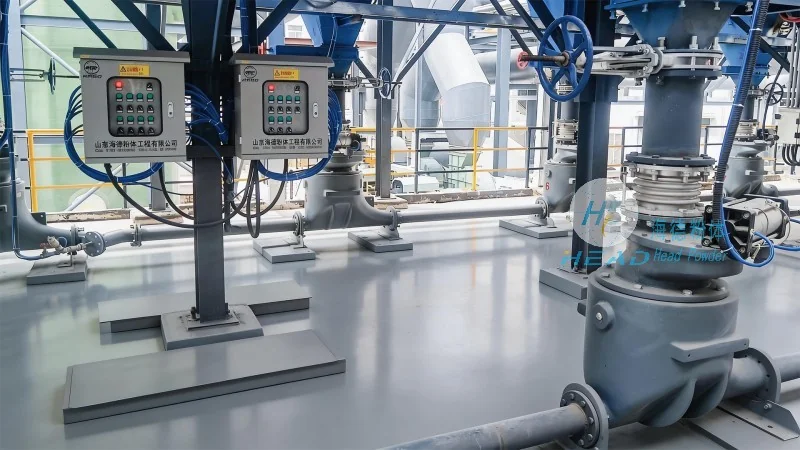
Core Components and Operational Mechanism
The dry sludge pneumatic conveying system typically consists of several key components, each playing a vital role in the overall operation. The primary components include a sludge dryer, a feeder system, a conveying line, a receiver, and a control unit. The process begins with the sludge being dried to a dry state, which reduces its bulk density and makes it more suitable for pneumatic transport. The feeder then introduces the dry sludge into the conveying line at a controlled rate. Compressed air is then introduced into the line, creating a low-pressure or high-pressure environment that generates sufficient velocity to move the sludge particles. The air-sludge mixture travels through the pipeline to the receiver, where the sludge is deposited and the air is either recycled or vented.
Advantages of Dry Sludge Pneumatic Conveying
Compared to traditional methods like truck transport or mechanical screw conveyors, dry sludge pneumatic conveying systems offer several advantages. These include reduced transportation costs, as the system eliminates the need for heavy vehicles and associated fuel expenses. Additionally, the process is more environmentally friendly, as it minimizes emissions and odor issues commonly associated with wet sludge handling. The system also provides better control over the sludge flow, ensuring consistent and reliable transport, which is essential for maintaining the efficiency of downstream processes such as incineration or landfill disposal.
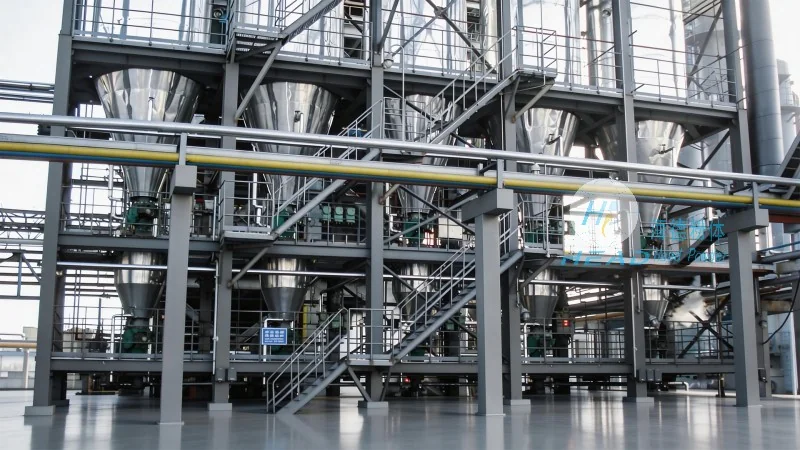
HeadPowder's Expertise in Dry Sludge Conveying Solutions
Shandong HeadPowder Engineering Co., Ltd., commonly known as HeadPowder, is a leading provider of engineering solutions for waste management and material handling. With a focus on innovative and efficient systems, HeadPowder specializes in designing and manufacturing dry sludge pneumatic conveying systems tailored to the specific needs of clients. The company's team of experienced engineers and technicians leverages advanced technology and rigorous testing to ensure that each system meets the highest standards of performance and reliability. HeadPowder's commitment to quality and customer satisfaction has made it a trusted partner for organizations seeking sustainable and effective sludge handling solutions.
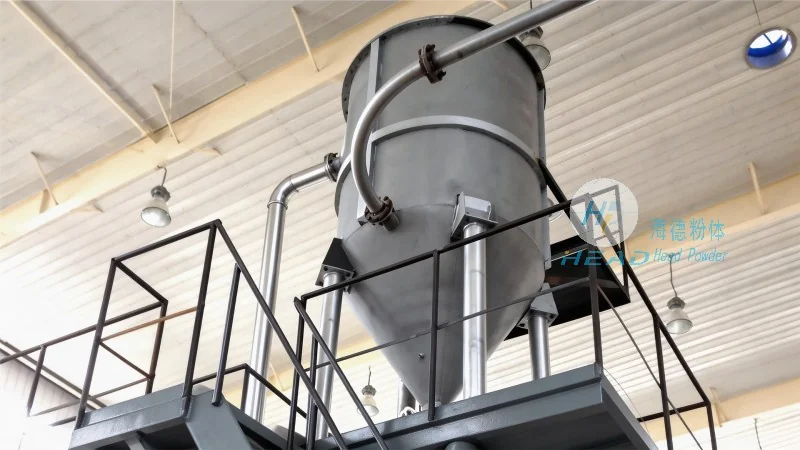
Technical Specifications and Customization Options
HeadPowder's dry sludge pneumatic conveying systems are available in various configurations to accommodate different operational requirements. The systems can be designed for low-pressure or high-pressure operation, depending on the distance and volume of sludge to be transported. The conveying line diameter and length can be customized to fit the specific layout of the facility. The company also offers options for air recycling and filtration systems to minimize energy consumption and environmental impact. Additionally, HeadPowder provides comprehensive support services, including installation, commissioning, and maintenance, to ensure that the system operates at peak efficiency throughout its service life.
Application Examples and Case Studies
Dry sludge pneumatic conveying systems are widely used in municipal wastewater treatment plants and industrial facilities that generate significant amounts of dried sludge. For example, in a large municipal plant, the system can transport dried sludge from the drying beds to the incineration facility, reducing the need for truck transport and associated costs. In an industrial setting, such as a paper mill or chemical plant, the system can handle the dry sludge produced during the treatment of process water, ensuring that it is disposed of or reused in an environmentally responsible manner. HeadPowder has successfully implemented numerous projects across China, demonstrating the effectiveness and reliability of its dry sludge conveying solutions.