

Principle of Lithium-Ion Battery Pneumatic Conveying System
Understanding the fundamental principles of lithium-ion battery pneumatic conveying systems is crucial for optimizing material handling processes in battery manufacturing and recycling operations. These systems utilize air or gas to transport bulk materials, such as lithium-ion battery components, powders, or granules, efficiently and safely. The technology integrates pneumatic conveying mechanisms with specialized equipment designed to handle the unique characteristics of lithium-ion battery materials, ensuring minimal product degradation and consistent performance. By leveraging the principles of fluid dynamics and material science, these systems enable the seamless movement of materials through production lines, enhancing overall operational efficiency.
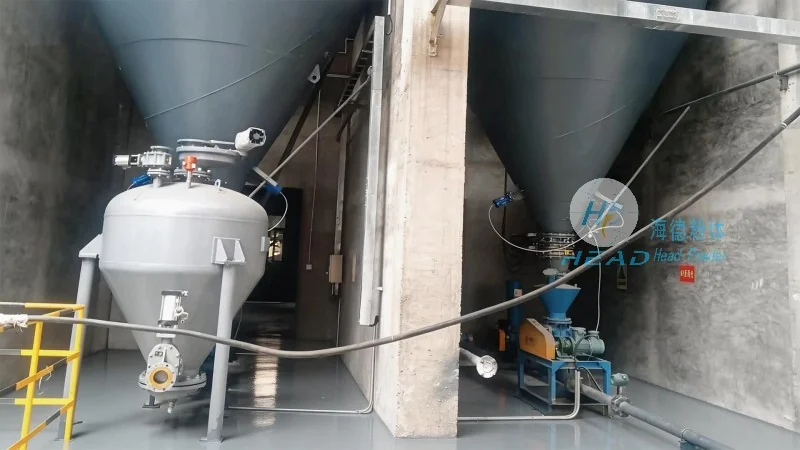
Key Components and Working Principle
The core components of a lithium-ion battery pneumatic conveying system typically include a hopper for material storage, a conveyor line (either positive or negative pressure), a separator or filter to prevent dust and particles from escaping, and a discharge device for delivering the material to the next stage of processing. The system operates by creating a pressure differential between the inlet and outlet of the conveying line. In positive pressure systems, air is forced through the material, while in negative pressure systems, air is drawn away from the material. This differential causes the material to be carried along the conveyor line by the air flow. The design of the system must account for the specific properties of lithium-ion battery materials, such as their particle size (ranging from microns to millimeters), density (typically 2-5 g/cm³), and potential for electrostatic discharge (ESD). Properly managing ESD is critical to prevent static buildup that could lead to sparks or fires, making specialized grounding and filtration components essential in the system design.
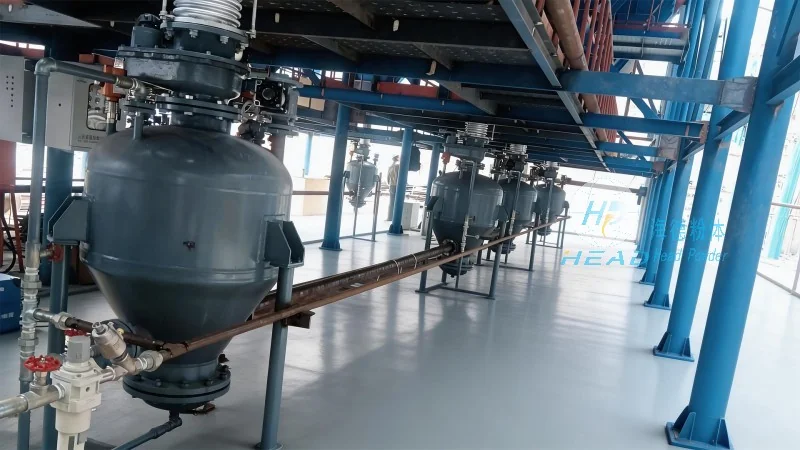
Advantages of Pneumatic Conveying for Lithium-Ion Batteries
Implementing pneumatic conveying systems for lithium-ion battery materials offers several advantages over traditional mechanical conveying methods. These include reduced product contamination, as the system is enclosed and sealed, preventing exposure to external elements like moisture, dust, or contaminants. Additionally, pneumatic conveying minimizes material degradation due to less friction and impact compared to mechanical systems, which can cause attrition or breakage of delicate battery components. The technology also enables precise control over material flow rates, which is essential for maintaining consistent quality in battery production. For instance, in the mixing of cathode materials, precise flow control ensures uniform distribution of active ingredients, leading to better battery performance and longevity. Furthermore, the enclosed design enhances safety by containing dust and preventing the spread of hazardous materials, aligning with regulatory requirements for battery handling, such as those from the International Electrotechnical Commission (IEC) and local environmental agencies.
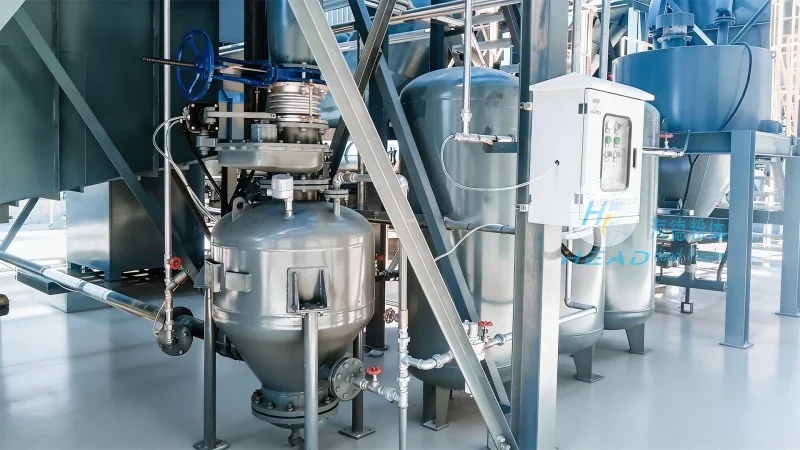
Application in Battery Manufacturing and Recycling
Lithium-ion battery pneumatic conveying systems are widely used in both the manufacturing and recycling stages of battery production. In manufacturing, these systems efficiently transport raw materials, such as lithium compounds (e.g., lithium carbonate, lithium hydroxide), cobalt, nickel, and other precursors, from storage to processing equipment like mixers, extruders, or coating lines. This ensures a continuous and smooth supply of materials, reducing downtime and improving overall production efficiency. For example, in the production of lithium cobalt oxide (LCO) cathode materials, the system can transport fine powders of cobalt and lithium compounds to the mixing stage, where they are combined with other additives under controlled conditions. In recycling operations, the systems are critical for handling spent batteries, separating components, and transporting recyclable materials to reprocessing facilities. The ability to handle fine powders and granules in a controlled manner makes pneumatic conveying ideal for these applications, where material purity and separation are paramount. For instance, in the recycling of lithium-ion batteries, the system can transport shredded battery materials to a sorting and separation unit, where metals like cobalt, nickel, and aluminum are extracted and prepared for reuse, reducing the environmental impact of battery disposal.
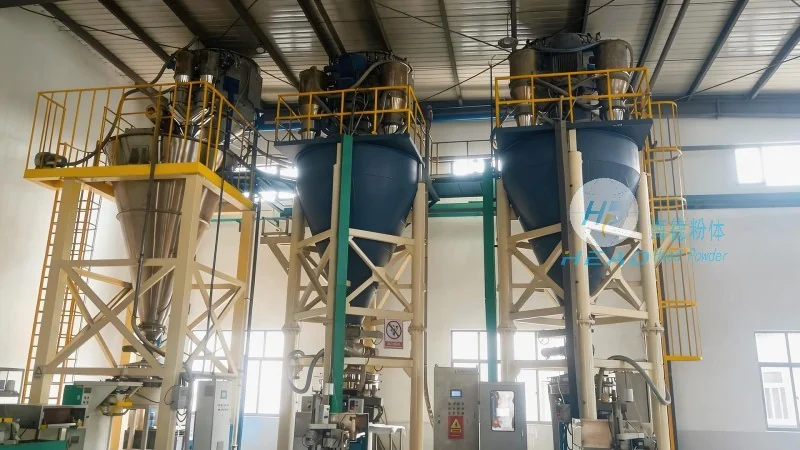
Company Profile: Shandong HeadPowder Engineering Co., Ltd.
Shandong HeadPowder Engineering Co., Ltd., operating under the brand name headpowder, specializes in the design, manufacturing, and integration of advanced pneumatic conveying systems tailored for the battery industry. With a focus on innovation and precision engineering, the company provides customized solutions that meet the specific needs of lithium-ion battery manufacturers and recyclers. Headpowder's expertise lies in developing systems that optimize material handling while ensuring compliance with industry standards and safety regulations. The company's headquarters is located in Shandong, China, where it leverages local resources and expertise to deliver high-quality products and services to clients worldwide. Headpowder's team of engineers and technicians works closely with clients to understand their operational requirements and design systems that enhance productivity and safety. The company's product portfolio includes a range of pneumatic conveying equipment, from small-scale laboratory systems to large industrial installations, all engineered to handle the unique challenges of lithium-ion battery materials. By combining advanced technology with rigorous quality control, headpowder ensures that its systems deliver reliable performance and long-term value to its customers.