

Technical Parameters and Conveying System for Tea Processing
For tea processing operations, understanding the technical parameters and implementing efficient conveying systems are critical for optimizing production efficiency and maintaining product quality. This article explores the key technical aspects and the role of specialized conveying systems in modern tea processing facilities.
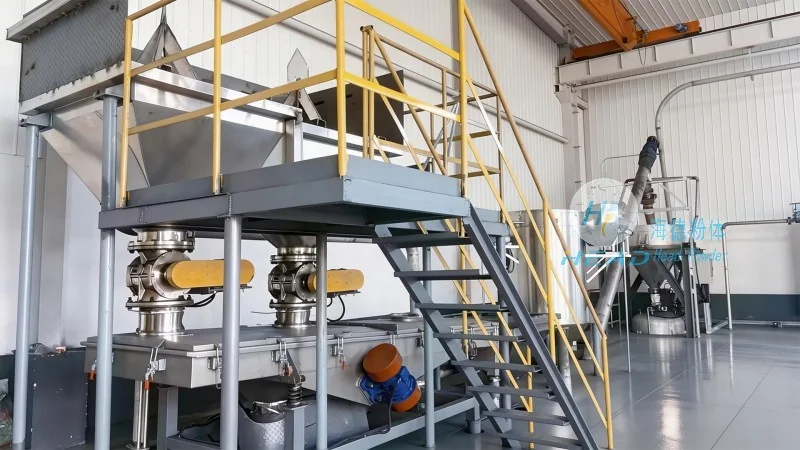
Understanding Tea Technical Parameters
Tea processing involves multiple stages, each with specific technical parameters that must be carefully controlled to ensure the final product meets quality standards. These parameters include temperature, humidity, processing time, and material flow rates. For instance, during the withering stage, the temperature and humidity levels are crucial for proper leaf moisture content reduction. Similarly, in the rolling or fermentation stages, precise control of temperature and time is essential to achieve the desired flavor and aroma characteristics. The technical parameters also extend to the physical properties of the tea leaves, such as size, density, and moisture content, which affect how they are handled and processed throughout the system.
Conveying Systems in Tea Processing
The efficient transport of tea leaves and processed tea products is a vital component of any tea processing plant. Conveying systems must be designed to handle the unique characteristics of tea leaves, including their delicate structure and varying sizes. HeadPowder, a leading engineering company based in Shandong, China, specializes in developing tailored conveying solutions for the tea industry. Their systems are engineered to minimize product damage, maintain consistent flow rates, and integrate seamlessly with existing processing equipment. The company's expertise lies in selecting the appropriate conveying technologies, such as belt conveyors, screw conveyors, or pneumatic systems, based on the specific technical requirements of each tea processing facility.
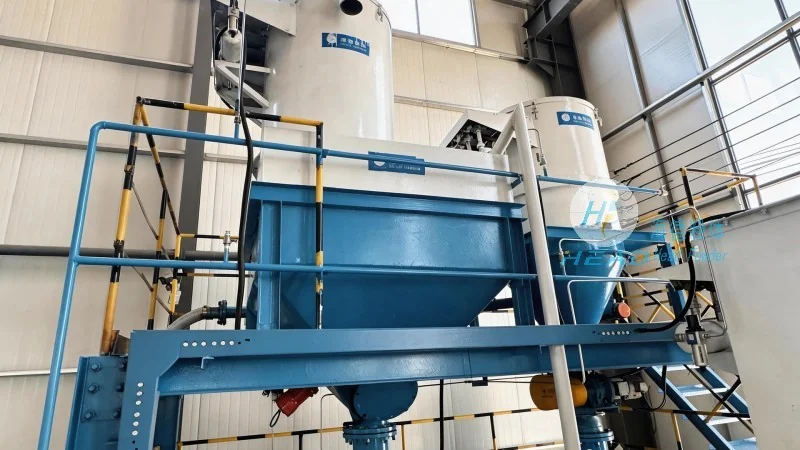
Key Technical Specifications of Conveying Equipment
When evaluating conveying systems for tea processing, several technical specifications are critical. These include the material handling capacity, which determines the throughput of the system, and the speed of operation, which affects processing time. The design of the conveyor must also consider the material's density and moisture content to prevent clogging or degradation. For example, a belt conveyor with a smooth surface may be suitable for dry tea leaves, while a screw conveyor with a flexible design might be better for wet or sticky leaves. Additionally, the system's ability to maintain consistent temperature and humidity during transport is essential to preserve the quality of the tea. HeadPowder's engineers conduct thorough assessments of these parameters to ensure their solutions meet the exact needs of each client.
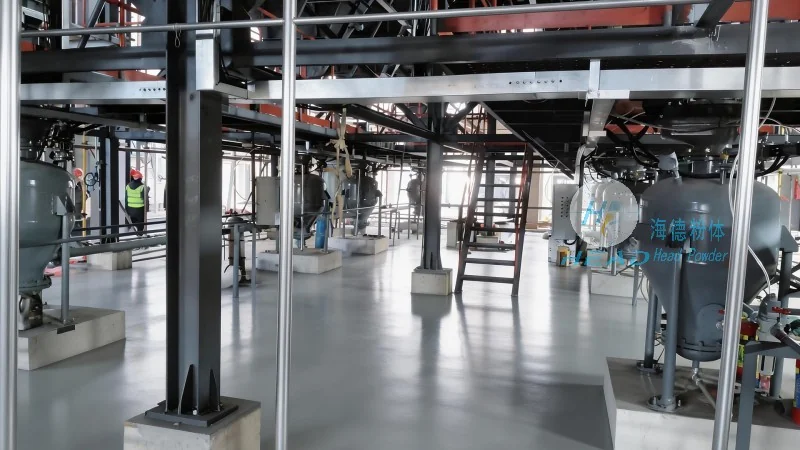
Integration and Automation in Tea Processing
Modern tea processing facilities increasingly rely on integrated systems that combine conveying with automation and quality control. HeadPowder's solutions often include sensors and monitoring systems that track the flow of tea leaves and provide real-time data on system performance. This integration allows for better control over the entire processing line, ensuring that technical parameters are maintained consistently. The company's approach to automation also includes the use of advanced control systems that can adjust conveyor speeds and other parameters based on real-time feedback, optimizing efficiency and reducing waste. By integrating conveying systems with automation, tea processing plants can achieve higher productivity while maintaining the highest standards of product quality.
Conclusion
In conclusion, the technical parameters of tea processing and the efficiency of conveying systems are integral to the success of modern tea production. Companies like Shandong HeadPowder Engineering Co., Ltd. play a crucial role in providing tailored solutions that address the specific needs of the tea industry. By focusing on precise technical specifications and seamless integration with existing processes, these systems enhance productivity, reduce costs, and ensure the consistent quality of tea products. As the tea industry continues to evolve, the importance of advanced conveying technologies and careful attention to technical parameters will remain paramount for achieving optimal results.