

Sorghum Technical Parameters and Conveying System Process
Shandong HeadPowder Engineering Co., Ltd., commonly known as HeadPowder, specializes in the design and implementation of advanced conveying systems tailored for sorghum processing. This document outlines the key technical parameters and the systematic approach to the conveying process, ensuring efficient and reliable material handling in industrial applications. The company's expertise lies in integrating technology and engineering to meet the specific demands of sorghum handling, from storage to processing.
Key Technical Parameters for Sorghum Handling
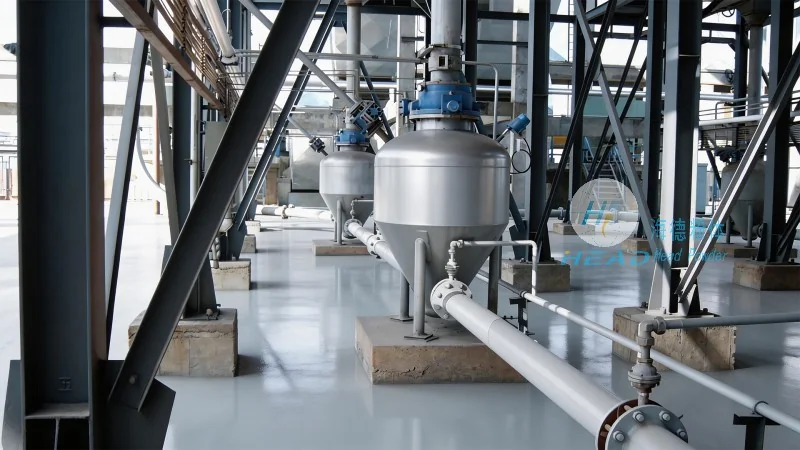
The technical parameters for sorghum conveyance are critical to optimizing the performance of the system. These parameters include grain size, moisture content, bulk density, flowability, temperature, and chemical composition. Sorghum, with its distinct physical properties, requires specific equipment configurations to maintain product integrity and operational efficiency. The grain size of sorghum typically ranges from 0.5 to 2.5 millimeters, which influences the design of hoppers and the selection of feeder types. Moisture content is another crucial factor, as higher moisture levels can affect the flowability and increase the risk of clogging in the conveying system. The bulk density of sorghum typically ranges from 0.6 to 0.8 g/cm³, which determines the storage capacity and hopper design. Flowability, measured by the angle of repose, is an important parameter that determines how easily sorghum flows from hoppers and bins. Temperature can also impact the handling characteristics of sorghum, as higher temperatures may increase the risk of spoilage or affect the grain's texture. Chemical composition, such as the presence of hulls or starch, can influence the wear on equipment components. HeadPowder engineers consider these variables to develop customized solutions that meet the specific needs of each client, ensuring that the conveying system operates smoothly and without interruptions.
Conveying System Design and Components
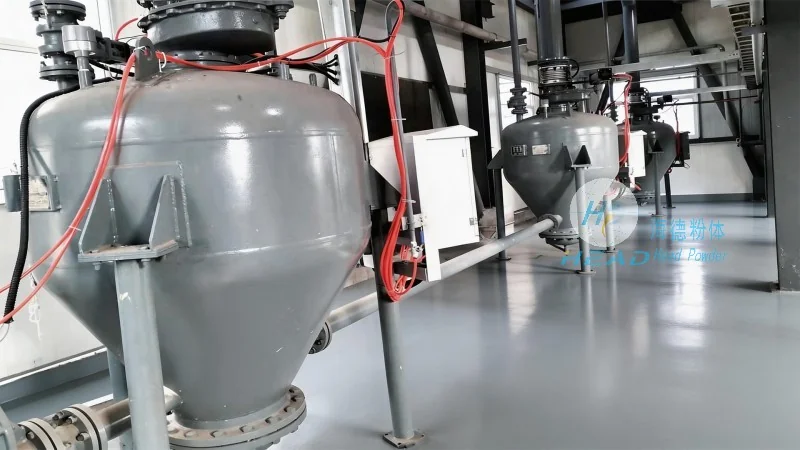
The conveying system for sorghum processing involves a combination of components that work in harmony to transport the grain from storage to processing units. The primary components include hoppers, feeders, conveyors (such as belt conveyors, screw conveyors, and pneumatic conveyors), and control systems. Hoppers are designed to store sorghum and provide a consistent feed to the feeder. The feeder, often a rotary or vibratory type, regulates the flow rate to the conveyor, ensuring uniform material delivery. Belt conveyors are commonly used for horizontal and slight incline transport due to their ability to handle large volumes and accommodate various grain sizes. Screw conveyors are ideal for vertical or inclined transport, providing a compact solution for elevating sorghum to higher levels. Pneumatic conveyors, or air slides, are used for low to medium capacity applications, particularly when the grain is fine or has a high moisture content, as they can minimize product damage and prevent clogging. Each component is selected based on the technical parameters of the sorghum and the operational requirements of the facility. The control system integrates sensors and actuators to monitor and adjust the conveying process in real-time, enhancing overall efficiency.
Process Flow and Operational Efficiency
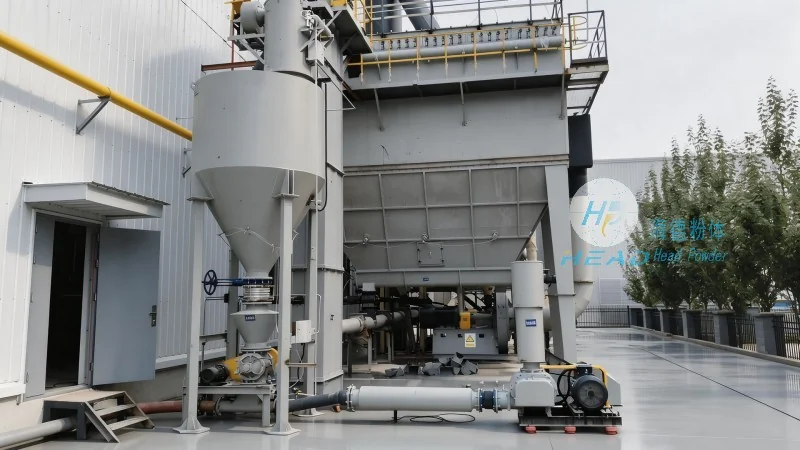
The overall process flow for sorghum conveying starts with the storage of raw sorghum in silos or bins. The grain is then discharged from the storage vessel into the hopper of the conveying system. The feeder controls the discharge rate, and the selected conveyor transports the sorghum to the processing area. The system is equipped with sensors and control panels to monitor key parameters such as flow rate, pressure, and temperature. This real-time monitoring allows for immediate adjustments to maintain optimal performance. HeadPowder's systems are designed to minimize downtime and maximize throughput, ensuring that the conveying process is both efficient and cost-effective. The integration of advanced control systems enables automated operation, reducing the need for manual intervention and enhancing overall productivity. For example, in a large-scale milling operation, the conveying system may handle up to 500 tons of sorghum per hour, with the control system automatically adjusting the feeder speed to maintain a consistent flow rate.
Customization and Application Examples
HeadPowder understands that each sorghum processing facility has unique requirements. Therefore, the company offers customized conveying solutions tailored to specific production capacities and operational needs. For example, a small-scale milling operation may require a simpler system with a belt conveyor and a hopper, while a large-scale industrial facility might need a combination of screw and pneumatic conveyors to handle higher volumes. The technical parameters are adjusted based on the client's production goals, such as increasing throughput or reducing energy consumption. HeadPowder's engineering team works closely with clients to analyze their current processes, identify bottlenecks, and propose solutions that enhance overall operational efficiency. Customization may also involve the integration of additional features, such as dust collection systems or material separation units, to meet specific regulatory or quality standards. In one case, a client required a system to handle sorghum with high moisture content, so HeadPowder designed a pneumatic conveyor with a heated air system to prevent clogging and maintain grain quality.
Quality Assurance and Maintenance
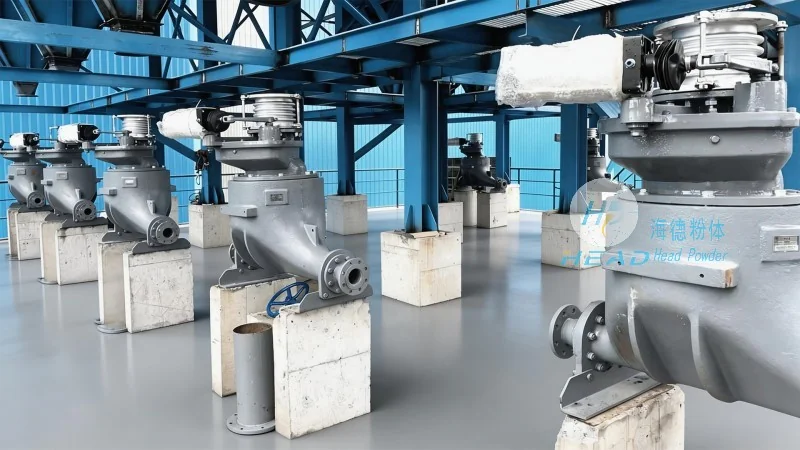
Ensuring the longevity and reliability of the conveying system is essential for consistent sorghum handling. HeadPowder implements rigorous quality assurance measures throughout the design, manufacturing, and installation phases. The components are made from high-quality materials, such as stainless steel and corrosion-resistant alloys, to withstand the abrasive nature of sorghum and the environmental conditions of the processing plant. Regular maintenance is also a critical aspect of the system's performance. The company provides comprehensive maintenance plans that include routine inspections, part replacements, and system calibrations. This proactive approach helps prevent unexpected breakdowns and extends the lifespan of the equipment, ensuring that the conveying system operates at peak efficiency for years to come. HeadPowder also offers training programs for facility operators to ensure proper system operation and maintenance, further enhancing the system's reliability and performance. For instance, the maintenance plan may include quarterly inspections of the belt conveyor, annual replacement of the feeder bearings, and annual calibration of the control system sensors.