

Technical Parameters and Transport System Process for Sodium Carbonate
At Shandong HeadPowder Engineering Co., Ltd., we specialize in providing comprehensive solutions for sodium carbonate, a vital chemical widely used in various industrial applications. This article delves into the key technical parameters of sodium carbonate and the efficient transport systems designed to handle its handling and delivery. By understanding these aspects, industries can optimize their operations and ensure safe, reliable supply of this essential chemical.
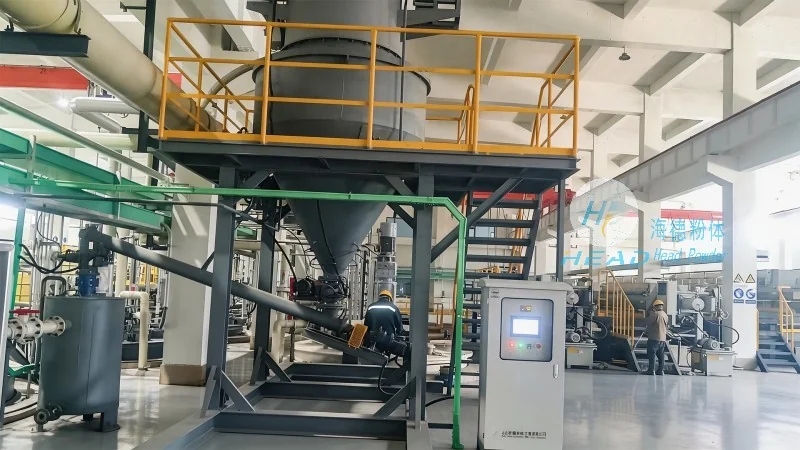
Company Overview: HeadPowder Engineering
HeadPowder, the abbreviation for Shandong HeadPowder Engineering Co., Ltd., is a leading engineering firm based in Shandong, China. With a strong commitment to quality and innovation, the company focuses on delivering tailored solutions for chemical processing and material handling. Our expertise in sodium carbonate handling and transport systems reflects our dedication to meeting the diverse needs of our clients across different sectors.
Key Technical Parameters of Sodium Carbonate
Sodium carbonate, also known as soda ash, is a white, water-soluble solid with the chemical formula Na₂CO₃. Its technical parameters are crucial for ensuring proper handling, storage, and application in industrial processes. The following are the primary technical specifications that define the quality and characteristics of sodium carbonate:
1. Appearance and State: Typically appears as a white crystalline powder or granules. It is odorless and has a slightly alkaline taste. The physical form can vary depending on the manufacturing process, with options including powder, granules, or prills.
2. Chemical Composition: The purity of sodium carbonate is measured by its content of Na₂CO₃. High-purity grades are essential for applications in glass manufacturing, detergents, and water treatment, where impurities can affect product quality and performance.
3. Moisture Content: The moisture level in sodium carbonate is critical as it impacts its handling properties and storage stability. Proper moisture control is necessary to prevent caking and ensure consistent performance. Typical moisture content for industrial-grade sodium carbonate is below 1%, though specific requirements may vary based on end-use applications.
4. Particle Size and Distribution: The particle size of sodium carbonate affects its solubility, flowability, and handling efficiency. Coarser particles are often used in applications requiring high flow rates, while finer powders are suitable for processes that demand better dispersion and dissolution. The particle size distribution is standardized to meet industry norms and ensure uniform performance.
5. pH Value: Sodium carbonate is a strong base with a high pH value, typically around 11-12 in aqueous solutions. This property makes it effective in neutralizing acidic substances and is widely used in water treatment and chemical manufacturing. The pH level is an important parameter for assessing its reactivity and suitability for specific applications.
Efficient Transport Systems for Sodium Carbonate
Transporting sodium carbonate requires specialized systems to ensure safety, efficiency, and compliance with industry standards. The transport systems are designed to handle the chemical's properties, such as its flowability and potential for dust generation. Here are the key components and processes involved in the efficient transport of sodium carbonate:
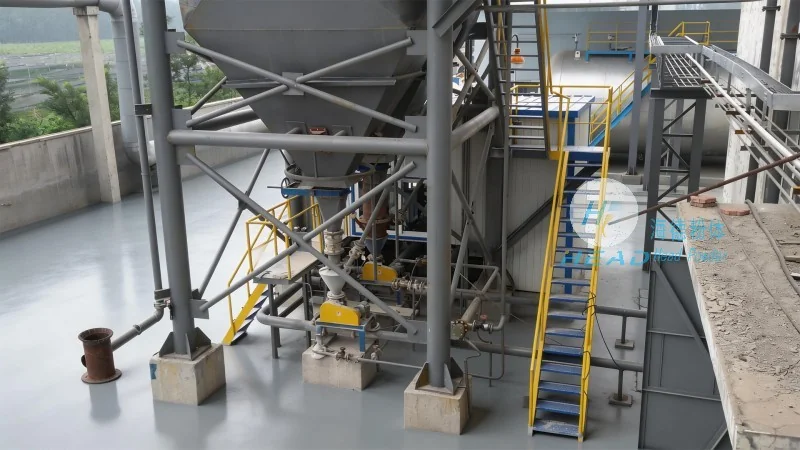
1. Storage Solutions: Sodium carbonate is commonly stored in bulk storage silos or tanks. These storage facilities are constructed from materials resistant to corrosion, such as stainless steel or lined carbon steel, to prevent chemical reactions with the container. The storage systems are equipped with level indicators and pressure relief valves to monitor and maintain safe conditions. Proper ventilation and dust control measures are implemented to prevent the accumulation of dust and ensure worker safety.
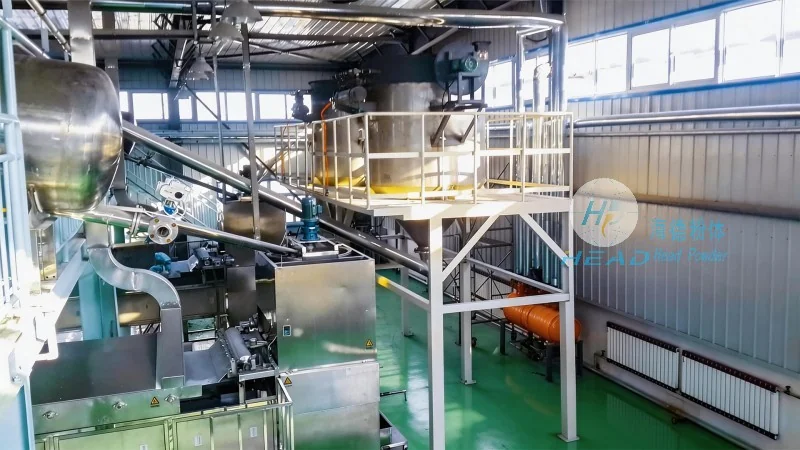
2. Pneumatic Conveying Systems: For long-distance transport, pneumatic conveying systems are widely used. These systems utilize air pressure to move sodium carbonate from the storage area to the processing units. The design of the system includes components like feeders, pipelines, and cyclones to ensure efficient and dust-free transport. The choice of conveying method depends on the distance, volume, and required flow rate, with considerations for energy efficiency and maintenance costs.
3. Mechanical Conveying Equipment: In shorter-distance transport within industrial facilities, mechanical conveyors such as belt conveyors or screw conveyors are employed. These systems are suitable for handling larger quantities of sodium carbonate and are designed to minimize dust generation and ensure smooth operation. The equipment is equipped with safety features like emergency stops and overload protection to prevent accidents and ensure operational reliability.
4. Handling and Transfer Processes: The transfer of sodium carbonate from storage to processing equipment involves careful handling to prevent caking and maintain product quality. Transfer points are equipped with dust collection systems and flow aids to ensure consistent material flow. The use of appropriate valves and feeders helps control the flow rate and prevent blockages, ensuring smooth operation of the entire transport system.
Application-Specific Transport Solutions
Depending on the end-use application, the transport system for sodium carbonate may be customized to meet specific requirements. For example, in glass manufacturing, where sodium carbonate is used as a flux, the transport system may need to handle larger quantities and ensure consistent quality. In water treatment plants, the system may focus on efficient dosing and mixing of the chemical with water. The customization of transport solutions ensures that the sodium carbonate is delivered in the optimal form and condition for the intended application, maximizing its effectiveness and minimizing operational issues.
Conclusion
Understanding the technical parameters of sodium carbonate and implementing efficient transport systems is essential for industries relying on this vital chemical. At Shandong HeadPowder Engineering Co., Ltd., we provide comprehensive solutions that address the unique needs of our clients, ensuring safe, reliable, and cost-effective handling of sodium carbonate. Our expertise in engineering and material handling enables us to deliver tailored transport systems that meet industry standards and enhance operational efficiency.