

Technical Parameters of Gelatin and Conveying System Process
Shandong HeadPowder Engineering Co., Ltd., commonly known as headpowder, is a leading enterprise based in Shandong, China, specializing in the production and application of gelatin. The company serves a wide range of industries, including food, pharmaceutical, and cosmetics, by providing high-quality gelatin products and advanced conveying systems. This article explores the critical technical parameters of gelatin and the detailed process of its conveying systems, offering a comprehensive overview of the technical aspects and operational efficiency in industrial gelatin handling.
Key Technical Parameters of Gelatin
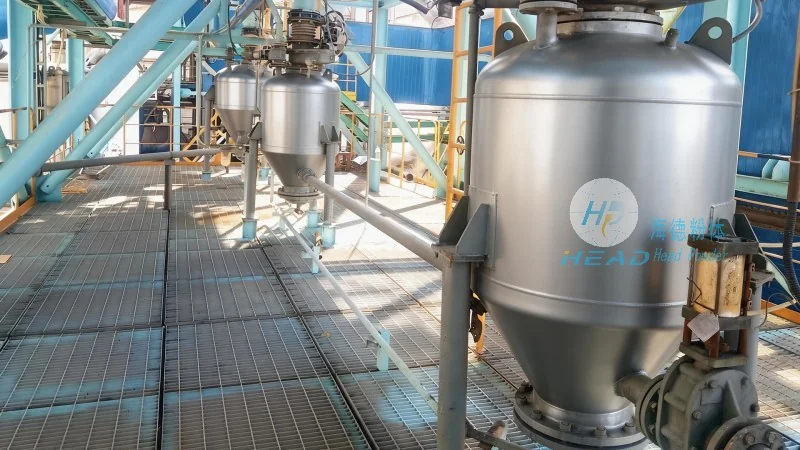
Gelatin, a protein derived from collagen, exhibits distinct technical properties that influence its performance in various applications. The primary technical parameters include molecular weight, viscosity, solubility, gel strength, and pH stability. Molecular weight, typically ranging from 10,000 to 150,000 Daltons, determines the gelatin's ability to form gels and its water-holding capacity. Higher molecular weight gelatin tends to produce firmer gels with better texture. Viscosity, measured in centipoise (cP), indicates the fluidity of the gelatin solution and is affected by temperature and concentration. For example, a 10% gelatin solution at 20°C may have a viscosity of 200-300 cP, while the viscosity decreases with increasing temperature. Solubility refers to the gelatin's ability to dissolve in water at different temperatures, with optimal solubility occurring at elevated temperatures (e.g., 80-90°C). Gel strength, expressed in Bloom units, quantifies the firmness of the gel formed by gelatin, with higher Bloom values indicating stronger gels. Common gelatin grades include Type A (acid-soluble) and Type B (alkali-soluble), each with specific gel strength requirements for different applications. pH stability is another critical parameter, as gelatin's solubility and gel formation are affected by the pH of the solution. Maintaining the pH within the optimal range (e.g., 5.0-7.0) ensures consistent performance.
Conveying System Process for Gelatin
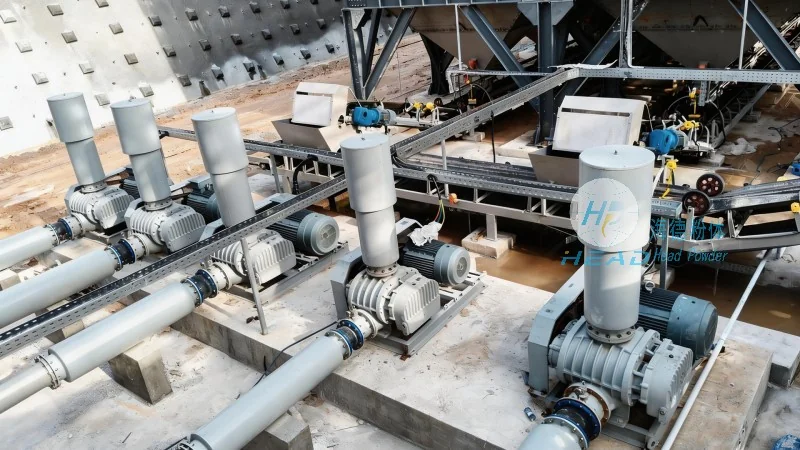
The conveying system for gelatin is engineered to handle the material efficiently, safely, and with minimal degradation. The process involves several key stages, each designed to maintain the gelatin's technical specifications. First, the gelatin is prepared in a storage tank, where it is dissolved in water to form a homogeneous solution. The temperature of the solution is precisely controlled to ensure optimal viscosity and prevent premature gelation. Typically, the solution is heated to 80-90°C to achieve complete dissolution, with stirring to enhance mixing. Next, the solution is pumped through a series of pipelines using specialized pumps. Centrifugal pumps are commonly used for low to medium viscosity solutions, while positive displacement pumps (e.g., gear or piston pumps) are preferred for high viscosity or shear-sensitive gelatin. The pipelines are constructed from stainless steel or food-grade polyethylene to resist corrosion and prevent contamination. The diameter of the pipelines is selected based on the flow rate and viscosity, with larger diameters reducing friction losses and maintaining consistent flow. Temperature control is maintained throughout the conveying process using heat exchangers or insulated pipelines to prevent the gelatin from cooling and setting. The system may include pressure sensors and flow meters to monitor and regulate the process, ensuring that the gelatin solution reaches the processing equipment at the correct temperature and pressure. Finally, the gelatin solution is delivered to the processing units, such as mixers, reactors, or extruders, where it is further processed into the final products. The entire conveying system is designed to minimize energy consumption and maximize operational efficiency, with features like variable speed drives to adjust pump speed based on demand.
Operational Considerations and Maintenance
Proper operation and regular maintenance of the gelatin conveying system are essential to ensure consistent performance and product quality. Regular cleaning and sanitation of the pipelines and equipment are critical to prevent the accumulation of gelatin residues, which can affect the system's efficiency and product purity. The pipelines should be flushed with hot water or a mild cleaning solution after each batch to remove any residual gelatin. The pumps and other mechanical components should be inspected regularly for wear and tear, and replaced as needed to avoid breakdowns. Temperature monitoring and control systems should be calibrated periodically to maintain accurate temperature readings, as even small deviations can impact gelatin performance. Additionally, the system should be equipped with safety features, such as pressure relief valves, emergency shut-off valves, and interlocks to prevent accidents and ensure worker safety. Regular maintenance schedules, including lubrication of moving parts and inspection of seals, help extend the lifespan of the equipment and reduce downtime. By adhering to these operational guidelines and maintenance protocols, the conveying system can operate reliably and efficiently, delivering high-quality gelatin products to meet the stringent requirements of various industries.
Conclusion
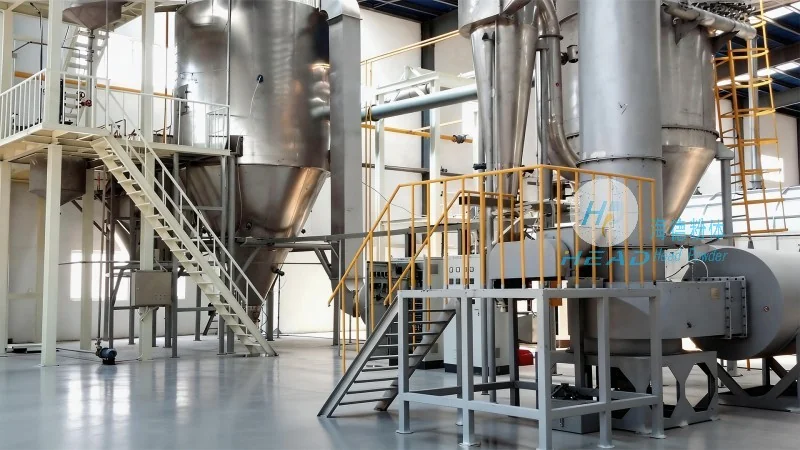
Understanding the technical parameters of gelatin and the process of its conveying systems is fundamental to optimizing industrial operations and ensuring product quality. Shandong HeadPowder Engineering Co., Ltd. leverages advanced technology and professional expertise to provide comprehensive solutions for gelatin handling. By adhering to the technical specifications and operational guidelines outlined in this article, industries can effectively manage gelatin production and conveying processes, enhancing productivity and maintaining product integrity. The company's commitment to quality and innovation ensures that its gelatin products and conveying systems meet the highest standards, supporting the success of its clients in the competitive market. As the demand for high-quality gelatin continues to grow, the importance of efficient and reliable conveying systems becomes increasingly critical, making the technical knowledge and solutions provided by headpowder invaluable to the industry.