

Types, Characteristics, and Application Ranges of Tailings Powder Slag Pneumatic Conveying
Tailings powder slag, a byproduct of mining and metallurgical processes, presents unique challenges in handling and transportation. The adoption of pneumatic conveying systems has become a critical solution for efficiently managing these materials, offering advantages in terms of safety, environmental protection, and operational efficiency. This article explores the various types of tailings powder slag pneumatic conveying systems, their key characteristics, and the diverse application ranges where they are employed.
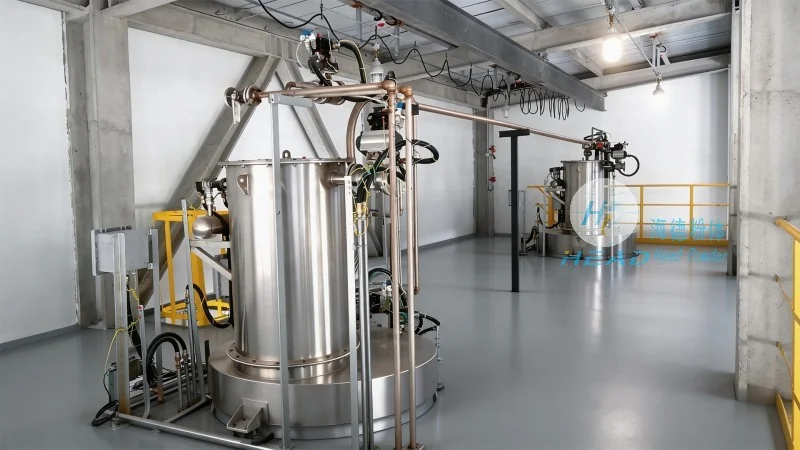
Types of Tailings Powder Slag Pneumatic Conveying Systems
There are several distinct types of pneumatic conveying systems designed to handle tailings powder slag, each tailored to specific operational requirements and material properties. The primary categories include positive pressure systems, negative pressure systems, and hybrid systems.
Positive Pressure Pneumatic Conveying
Positive pressure systems operate by blowing air or gas into the conveying line, creating a pressure higher than the ambient air. This method is particularly effective for conveying materials over long distances or through complex piping networks. The system typically includes a blower, a hopper for material storage, and a discharge point. The positive pressure ensures that the material is continuously moved through the pipeline, minimizing the risk of blockages and ensuring consistent flow rates. This type of system is often preferred for applications requiring high throughput and reliable performance.
Negative Pressure Pneumatic Conveying
Negative pressure systems, also known as vacuum systems, create a lower pressure inside the conveying line compared to the ambient environment. Air or gas is drawn into the system, pulling the tailings powder slag from the source and transporting it to the destination. This approach is well-suited for applications where the material needs to be collected from multiple points or where the conveying distance is relatively short. Negative pressure systems are generally more suitable for handling fine powders and can be more energy-efficient for shorter distances. However, they may be less effective for long-distance or high-volume conveying due to potential pressure drop issues.
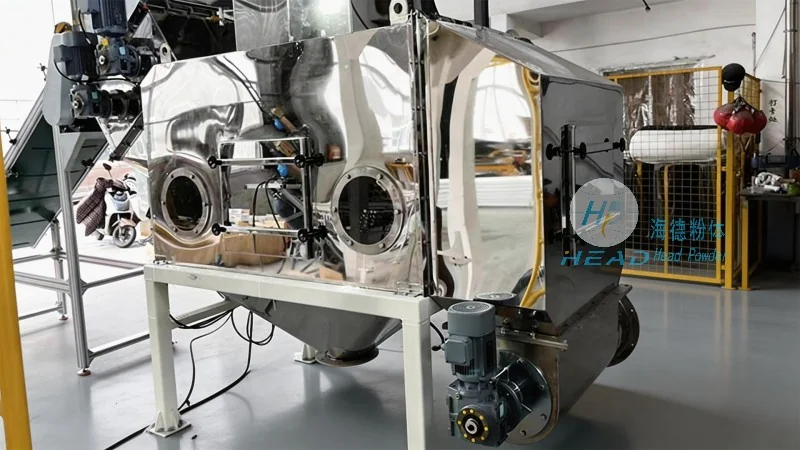
Hybrid Pneumatic Conveying Systems
Hybrid systems combine elements of both positive and negative pressure methods. They often utilize a combination of blowers and vacuum pumps to achieve optimal performance. These systems are designed to handle a wide range of material characteristics and operational conditions, making them versatile for various tailings powder slag applications. The hybrid approach allows for flexibility in conveying different types of materials, including those with varying particle sizes and moisture content. This adaptability makes hybrid systems a popular choice for industrial settings where material variability is common.
Key Characteristics of Tailings Powder Slag Pneumatic Conveying
Regardless of the specific type, tailings powder slag pneumatic conveying systems share several key characteristics that contribute to their effectiveness and reliability. These include high efficiency in material transport, minimal environmental impact, and enhanced safety measures. The systems are designed to handle fine, abrasive materials without causing excessive wear on components, which is crucial for long-term operational performance.
Efficiency and Throughput
Efficiency is a primary characteristic of pneumatic conveying systems for tailings powder slag. These systems can achieve high throughput rates, often handling large volumes of material per hour. The continuous flow of material through the pipeline reduces downtime and increases overall productivity. The ability to convey materials over long distances without the need for intermediate storage or transfer points further enhances operational efficiency. This makes pneumatic conveying an attractive option for mining and processing facilities that require reliable and high-capacity material transport solutions.
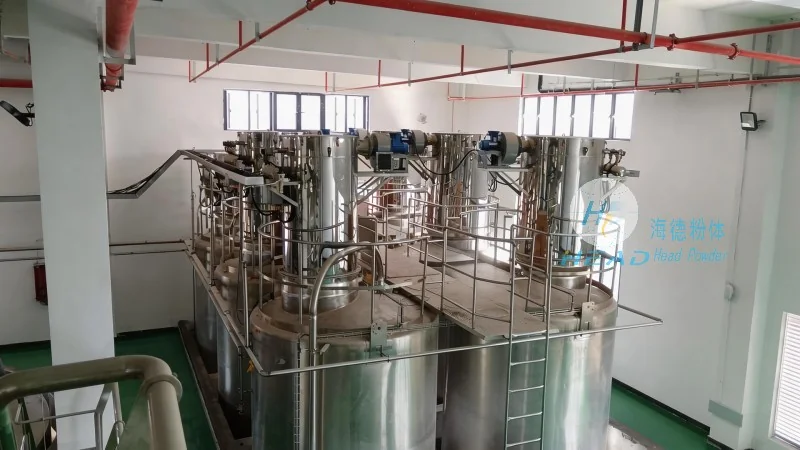
Environmental Protection
Environmental considerations are a critical aspect of tailings powder slag handling. Pneumatic conveying systems help minimize the environmental impact by containing the material within the pipeline, preventing dust emissions and spillage. Unlike traditional methods such as truck or belt conveyors, pneumatic systems reduce the risk of dust pollution, which is a significant concern in mining operations. The enclosed system also helps in controlling the release of harmful particles, contributing to better air quality and compliance with environmental regulations. This characteristic makes pneumatic conveying an environmentally friendly choice for managing tailings powder slag.
Operational Safety
Operational safety is another key characteristic of tailings powder slag pneumatic conveying systems. By eliminating the need for manual handling of bulk materials, these systems reduce the risk of accidents and injuries. The enclosed pipeline design prevents direct contact with the material, minimizing exposure to dust and other hazardous components. Additionally, the systems are equipped with safety features such as pressure relief valves and emergency shut-off mechanisms, ensuring that any potential issues are addressed promptly. This focus on safety makes pneumatic conveying an ideal solution for facilities where worker safety is a top priority.
Application Ranges of Tailings Powder Slag Pneumatic Conveying
Tailings powder slag pneumatic conveying systems are widely used across various industries due to their adaptability and efficiency. The application ranges include mining operations, metallurgical processing plants, and chemical manufacturing facilities. Each application leverages the specific characteristics of the system to meet the operational demands of the industry.
Mining and Mineral Processing
In the mining industry, tailings powder slag pneumatic conveying is extensively used for transporting ore and tailings from processing plants to disposal sites or for recycling purposes. The systems are designed to handle the fine, abrasive nature of mine tailings, ensuring efficient and safe transport. For example, in gold or copper mining operations, pneumatic conveying is used to move tailings from the flotation plant to tailings dams or for reprocessing. The ability to convey materials over long distances without the need for intermediate storage makes this method particularly suitable for large-scale mining operations.
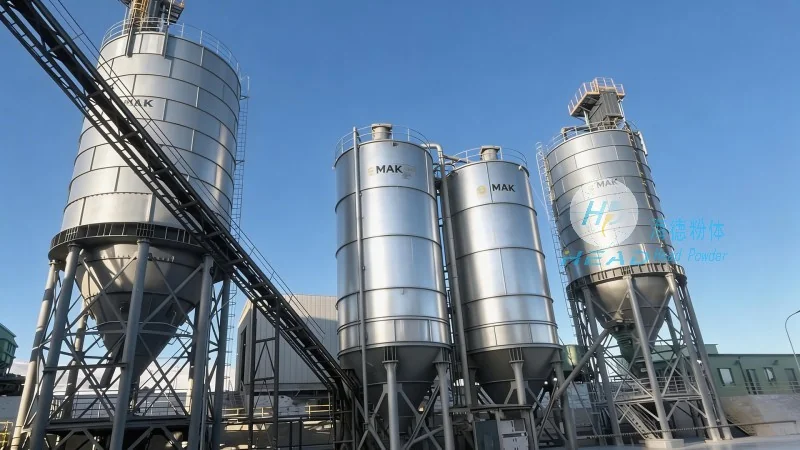
Metallurgical and Steel Industries
The metallurgical and steel industries also benefit from tailings powder slag pneumatic conveying systems. These systems are used to transport slag from steelmaking processes, such as basic oxygen furnaces or electric arc furnaces, to slag processing facilities. The slag, which is a byproduct of steel production, is often in the form of fine powder and requires efficient handling to prevent environmental contamination. Pneumatic conveying helps in transporting this material to slag treatment plants where it can be recycled or disposed of safely. The systems are designed to handle high-temperature and abrasive slag, ensuring reliable performance under challenging conditions.
Chemical and Petrochemical Industries
In the chemical and petrochemical sectors, tailings powder slag pneumatic conveying is utilized for transporting various powders and slags generated during chemical reactions and processing. These materials may include catalysts, reaction byproducts, or waste materials that need to be handled carefully to avoid contamination. The pneumatic systems are adapted to handle materials with different particle sizes and moisture content, ensuring consistent and safe transport. For instance, in the production of fertilizers or chemicals, pneumatic conveying is used to move raw materials and byproducts between processing units. The ability to convey these materials in an enclosed system helps maintain product quality and prevents cross-contamination.
Conclusion
Tailings powder slag pneumatic conveying systems offer a comprehensive solution for the efficient and safe handling of mining and industrial byproducts. The various types of systems, including positive pressure, negative pressure, and hybrid designs, cater to different operational requirements and material characteristics. Their key characteristics, such as high efficiency, environmental protection, and operational safety, make them a preferred choice for industries dealing with fine, abrasive materials. The application ranges span across mining, metallurgy, and chemical industries, highlighting the versatility and importance of pneumatic conveying in modern industrial operations. As the demand for sustainable and efficient material handling solutions continues to grow, the role of tailings powder slag pneumatic conveying systems is likely to expand further, supporting the development of environmentally responsible industrial practices.