

Types, Characteristics, and Application Ranges of Sulfur Tablet Pneumatic Conveying
For industrial applications involving sulfur tablets, efficient material handling is crucial. Pneumatic conveying systems offer a reliable solution for transporting these materials, and understanding the types, characteristics, and application ranges of such systems is essential for optimizing operational performance. This article provides an overview of the key aspects of sulfur tablet pneumatic conveying, highlighting the technology's benefits and practical implementations.
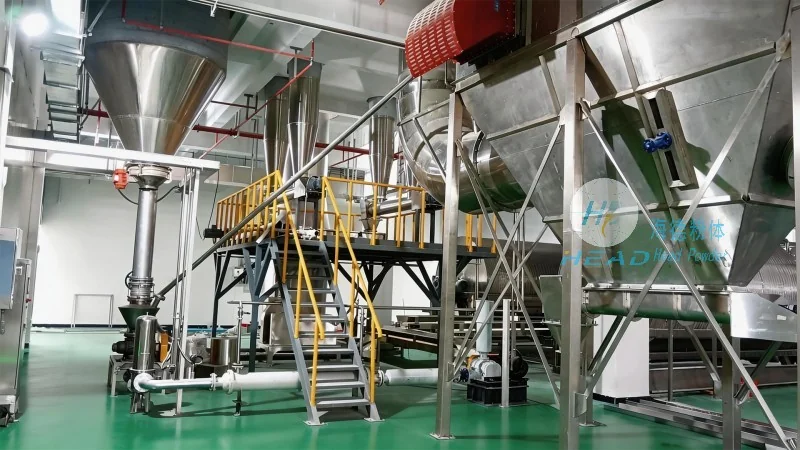
Introduction to Sulfur Tablet Pneumatic Conveying
Sulfur tablets are commonly used in various industrial processes, including chemical manufacturing, pharmaceutical production, and agricultural applications. These tablets are typically solid, irregularly shaped, and require specialized handling to ensure safety and efficiency. Pneumatic conveying, which uses air or gas to transport bulk materials through a pipeline system, is an ideal method for moving sulfur tablets due to its ability to handle abrasive or corrosive materials while minimizing product degradation. The technology has evolved to meet the specific demands of sulfur tablet transportation, offering several distinct types and configurations that cater to different operational requirements.
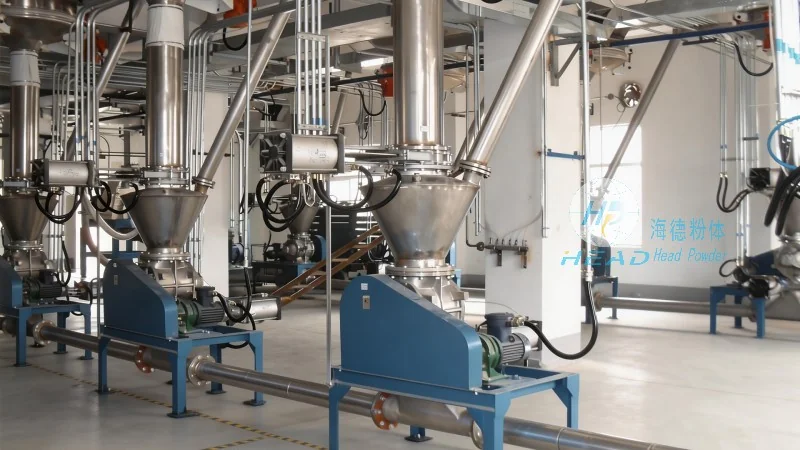
Types of Sulfur Tablet Pneumatic Conveying Systems
There are primarily two types of pneumatic conveying systems used for sulfur tablets: dilute-phase and dense-phase. Dilute-phase systems operate at low pressure and high air velocity, transporting materials in a suspended state. This method is suitable for short to medium distances and low to moderate material loads. Dense-phase systems, on the other hand, operate at higher pressure and lower air velocity, where materials are conveyed in a slurry-like state. Dense-phase conveying is ideal for longer distances and higher material loads, as it reduces product degradation and provides better control over material flow.
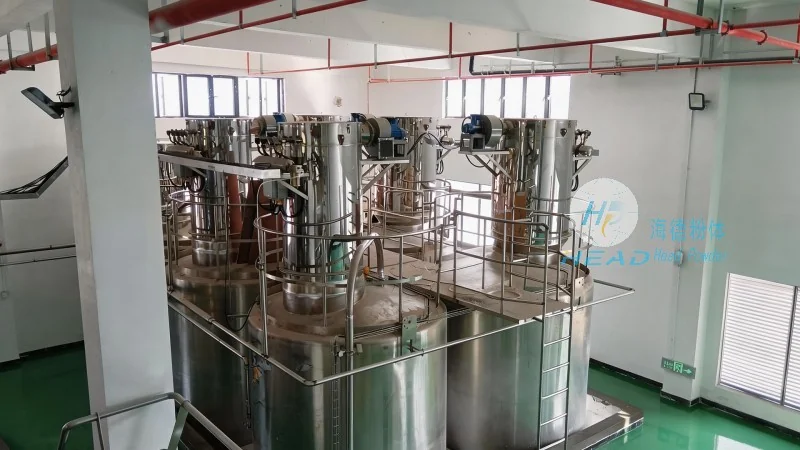
Key Features of Sulfur Tablet Pneumatic Conveying
Several key features distinguish effective sulfur tablet pneumatic conveying systems. First, the system must be designed to handle the abrasive nature of sulfur tablets, which can cause wear on components such as pipelines, valves, and pumps. High-quality materials, such as stainless steel or specialized alloys, are often used to construct the conveying lines and equipment. Second, the system should incorporate features that prevent product segregation or agglomeration, which can lead to blockages or uneven material flow. This includes the use of appropriate air distribution and material separation mechanisms. Third, the system must ensure minimal product contamination, as sulfur tablets are often used in applications where purity is critical, such as pharmaceuticals or food processing. Filtration and cleaning systems are typically integrated into the design to maintain product quality. Finally, the system should offer flexibility in terms of material handling, allowing for adjustments in flow rate, pressure, and distance to accommodate varying operational needs.
Application Ranges of Sulfur Tablet Pneumatic Conveying
Sulfur tablet pneumatic conveying systems are widely used across various industries due to their adaptability and efficiency. In the chemical industry, these systems are employed to transport sulfur tablets from storage silos to processing units, ensuring a continuous supply of raw materials. The systems are also used in pharmaceutical manufacturing, where the purity and consistency of sulfur tablets are paramount. In agricultural applications, pneumatic conveying is utilized to move sulfur tablets for soil treatment or as a component in fertilizers, facilitating efficient distribution to farms and processing facilities. Additionally, the technology is applied in the production of sulfur-based products, such as sulfuric acid or sulfur compounds, where precise material handling is essential for maintaining product quality and reducing waste. The versatility of pneumatic conveying makes it suitable for both small-scale and large-scale operations, from laboratory settings to industrial plants.
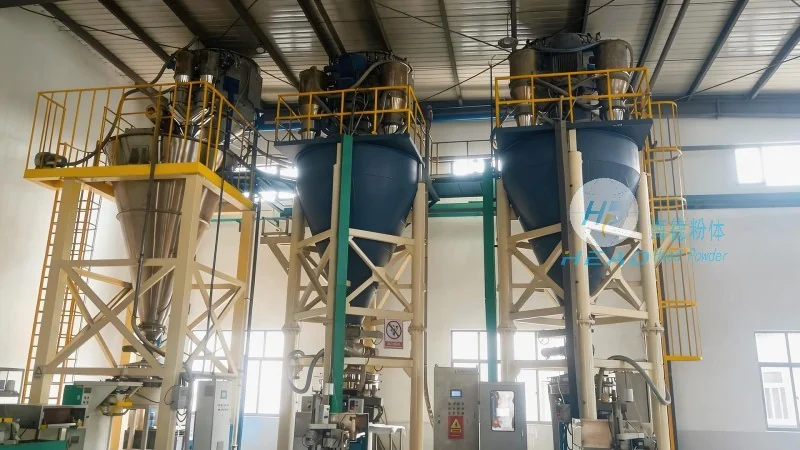
Conclusion and Company Overview
Understanding the types, features, and application ranges of sulfur tablet pneumatic conveying systems is vital for optimizing material handling in industrial settings. The technology offers significant advantages, including improved safety, reduced labor costs, and enhanced product quality. As a leading provider in the field, Shandong HeadPowder Engineering Co., Ltd. specializes in designing and manufacturing customized pneumatic conveying solutions tailored to the specific needs of sulfur tablet transportation. With a focus on quality and innovation, the company ensures that its systems meet the highest industry standards, providing reliable and efficient material handling for clients across various sectors. Based in Shandong, China, HeadPowder Engineering Co., Ltd. leverages its expertise to deliver cutting-edge solutions that enhance operational efficiency and productivity for sulfur tablet processing applications.