

Types, Features, and Applications of Lime Powder Pneumatic Conveying
For industrial applications involving the handling of lime powder, efficient and reliable material transport is crucial. Pneumatic conveying systems offer a solution that minimizes dust, enhances safety, and optimizes operational efficiency. This article explores the different types of lime powder pneumatic conveying systems, their key features, and the various applications where they are employed. The information is presented by Shandong HeadPowder Engineering Co., Ltd., a leading provider in the field, based in Shandong, China.
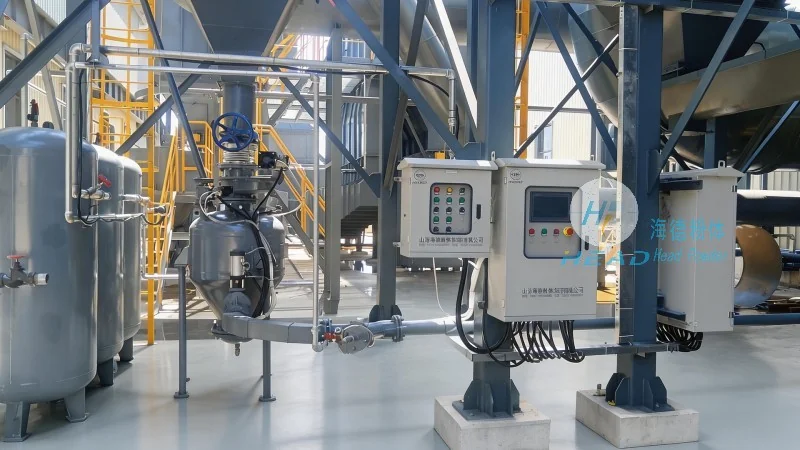
Introduction to Lime Powder Pneumatic Conveying
Lime powder, a common industrial material used in processes such as flue gas desulfurization, water treatment, and chemical manufacturing, requires specialized handling due to its fine particle size and potential for dust generation. Pneumatic conveying systems use air or other gases to transport the powder from one location to another, eliminating the need for mechanical components like belts or buckets that could cause contamination or wear. The choice of pneumatic conveying system depends on factors like material properties, distance, and throughput requirements.
Types of Pneumatic Conveying Systems for Lime Powder
There are primarily two types of pneumatic conveying systems used for lime powder: dilute-phase and dense-phase. Each type has distinct characteristics and is suitable for different operational conditions.
Dilute-Phase Pneumatic Conveying
Dilute-phase systems operate by moving the material in a low concentration of particles suspended in the air stream. This method is ideal for short to medium distances and high material flow rates. The system typically uses high-velocity air to transport the powder, making it suitable for applications where speed and efficiency are prioritized. The key advantage of dilute-phase conveying is its ability to handle large volumes of material with minimal pressure drop, reducing energy consumption. However, it may not be suitable for materials that are prone to segregation or those that require gentle handling.
Dense-Phase Pneumatic Conveying
Dense-phase systems, also known as low-velocity or positive displacement systems, transport the material in a higher concentration of particles, often with a higher air-to-material ratio. This method is preferred for longer distances and for materials that are sensitive to high velocities or particle segregation. The system uses lower air velocities to move the material, ensuring a more controlled and gentle transport process. Dense-phase conveying is particularly effective for handling lime powder that may be prone to caking or for applications where the material needs to be delivered at a specific point with minimal dispersion. The primary benefit is the ability to maintain the material's integrity and prevent degradation during transport.
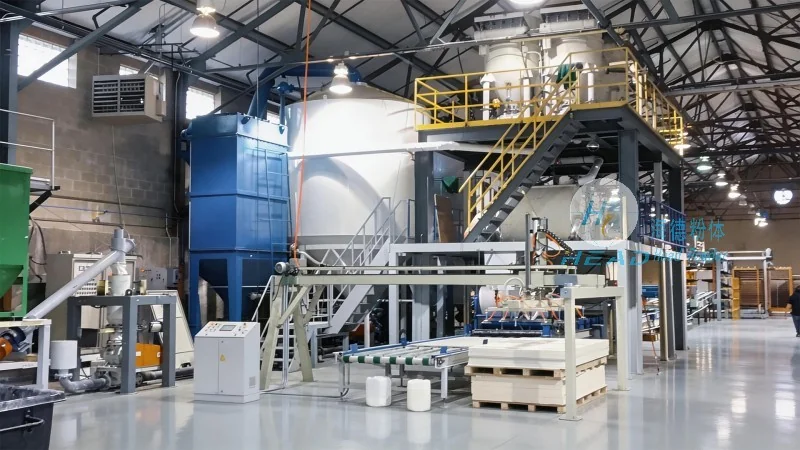
Key Features of Lime Powder Pneumatic Conveying Systems
Regardless of the type, modern pneumatic conveying systems for lime powder are equipped with several features that enhance performance and reliability. These features include:
1. Material Handling Efficiency
The systems are designed to handle the fine and abrasive nature of lime powder without causing excessive wear to components. High-quality materials of construction, such as stainless steel or specialized alloys, are used to ensure durability and longevity. The design minimizes the risk of clogging and ensures consistent flow rates, which is critical for maintaining production efficiency.
2. Dust Control and Environmental Compliance
One of the significant advantages of pneumatic conveying is its ability to contain dust within the system, reducing environmental impact and improving workplace safety. The enclosed system design prevents dust from escaping into the environment, making it compliant with environmental regulations. Additionally, the system can be equipped with filtration and dust collection units to further enhance air quality and meet regulatory standards.
3. Energy Efficiency and Cost-Effectiveness
Advanced pneumatic conveying systems are engineered to optimize energy usage. By using appropriate air velocities and system design, the energy consumption is minimized while maintaining the required material throughput. This results in lower operational costs over the system's lifespan. The reduced need for mechanical components like conveyors or elevators also contributes to lower maintenance costs and increased reliability.
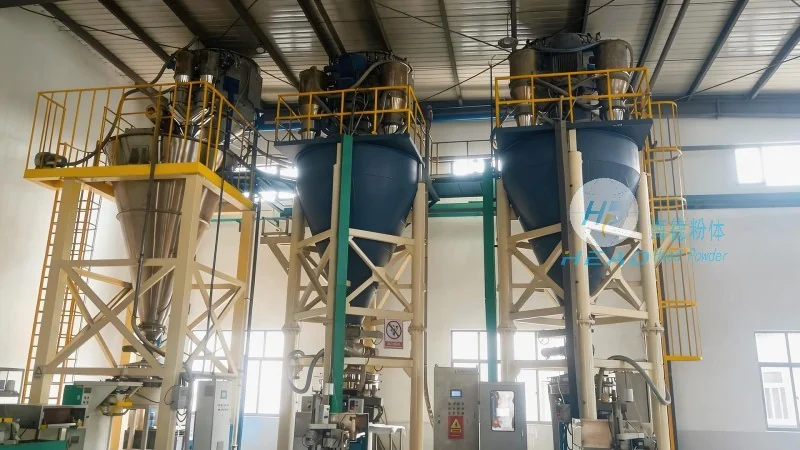
4. Customization and Flexibility
Shandong HeadPowder Engineering Co., Ltd. offers customized pneumatic conveying solutions tailored to specific customer needs. The systems can be designed to accommodate varying material properties, such as particle size distribution, moisture content, and flowability. This flexibility allows for integration into existing production lines or new facility setups, ensuring seamless operation and minimal disruption.
Applications of Lime Powder Pneumatic Conveying
Lime powder pneumatic conveying systems are widely used across various industries due to their versatility and efficiency. The primary applications include:
1. Flue Gas Desulfurization (FGD) Systems
In power plants and industrial facilities, lime powder is used in FGD systems to remove sulfur dioxide from flue gases. Pneumatic conveying systems efficiently transport the lime slurry or dry powder to the reaction tower, ensuring consistent and reliable operation. The system's ability to handle large volumes and maintain material quality is essential for effective desulfurization, which helps in reducing air pollution and meeting environmental standards.

2. Water and Wastewater Treatment
Lime powder is a key component in water treatment processes, used for pH adjustment, softening, and coagulation. Pneumatic conveying systems deliver the lime powder to treatment plants with precision, ensuring optimal dosing and treatment efficiency. The systems are designed to handle the corrosive and abrasive nature of the material, providing long-term reliability and minimal maintenance.
3. Chemical Manufacturing
In chemical industries, lime powder is used as a raw material in the production of calcium compounds, such as calcium chloride and calcium carbonate. Pneumatic conveying systems transport the powder to reactors and processing units, ensuring a consistent supply of material for chemical reactions. The systems are equipped with features that prevent contamination and maintain the purity of the material, which is critical for producing high-quality chemical products.
4. Construction and Building Materials
Lime powder is also used in the production of cement, mortar, and other building materials. Pneumatic conveying systems are used to transport the powder from storage silos to production lines, ensuring a continuous and efficient supply. The systems are designed to handle the bulk material and maintain the material's quality, which is essential for producing construction materials with consistent properties.
Conclusion
Pneumatic conveying systems for lime powder offer significant advantages in terms of efficiency, safety, and environmental compliance. By understanding the different types of systems and their features, industrial facilities can select the most appropriate solution for their specific needs. Shandong HeadPowder Engineering Co., Ltd., with its expertise and customized solutions, provides reliable pneumatic conveying systems that enhance operational performance and contribute to sustainable industrial practices.