

Analysis of Tailings and Slag Pneumatic Conveying Technology: Comparison of Positive and Negative Pr
When it comes to the efficient handling of tailings and slag materials in industrial operations, pneumatic conveying systems offer a versatile and effective solution. These systems utilize air to transport bulk materials over long distances, providing a dust-free and automated method for material movement. Among the various pneumatic conveying technologies available, the choice between positive pressure and negative pressure modes significantly impacts system performance, operational costs, and overall reliability. This analysis, conducted by Shandong HeadPowder Engineering Co., Ltd. (headpowder), delves into the technical aspects of both positive and negative pressure pneumatic conveying for tailings and slag, highlighting their key differences, advantages, and practical applications.
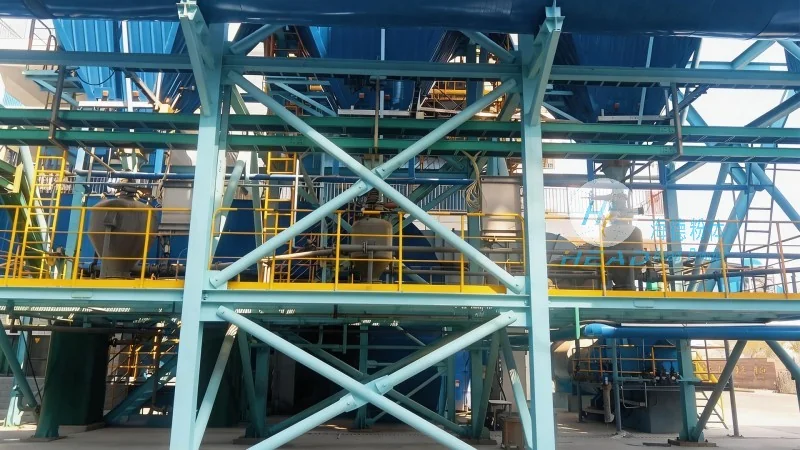
Understanding Pneumatic Conveying Modes
Pneumatic conveying systems operate on the principle of using air to move particulate materials. The two primary modes—positive pressure and negative pressure—differ in how air is introduced into the system and how material is transported. Positive pressure systems force air through the conveying line, while negative pressure systems create a vacuum to draw material into the line.
Positive Pressure Pneumatic Conveying
Positive pressure pneumatic conveying systems are characterized by the use of compressed air to push material through the pipeline. This mode is particularly effective for transporting abrasive or corrosive materials, as the high-pressure air ensures consistent material flow and reduces the risk of blockages. The system typically includes a blower or compressor that generates the necessary air pressure, with the material being fed into the line at the inlet. One of the key advantages of positive pressure systems is their ability to handle high concentrations of solids, making them suitable for dense slurries and bulk materials. However, these systems require robust equipment to withstand the high pressures and can be more energy-intensive compared to negative pressure alternatives.
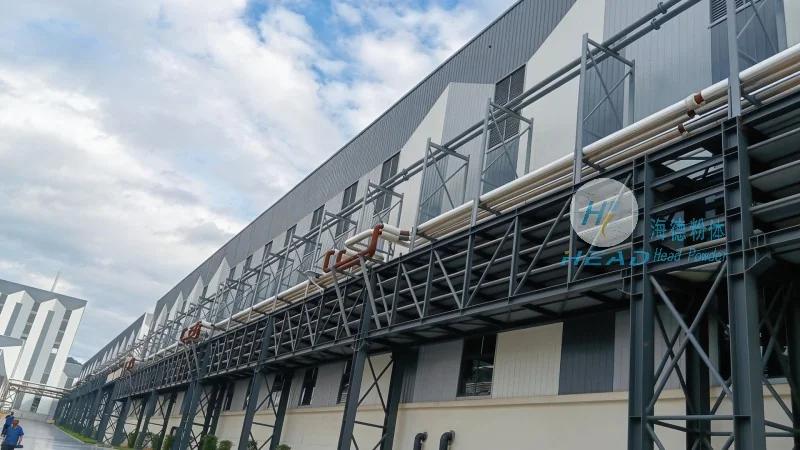
Negative Pressure Pneumatic Conveying
Negative pressure systems, on the other hand, rely on a vacuum created by a fan or ejector to draw material into the conveying line. This mode is often preferred for applications where dust control is critical, as the system operates under a reduced pressure environment, minimizing the risk of material spillage or airborne particles. Negative pressure systems are generally more energy-efficient than positive pressure systems, as they require less power to maintain the vacuum. They are well-suited for transporting materials over shorter distances and for handling fine powders or granules. However, negative pressure systems may be less effective for handling highly abrasive or dense materials, as the vacuum can sometimes lead to reduced material flow rates and increased wear on components.
Key Differences and Performance Considerations
When comparing positive and negative pressure pneumatic conveying for tailings and slag, several factors come into play. Positive pressure systems excel in high-capacity applications and can handle materials with higher moisture content or larger particle sizes. They are also more resistant to blockages due to the continuous air flow. Conversely, negative pressure systems offer better dust control and are more energy-efficient for low-to-moderate capacity operations. The choice between the two modes depends on the specific characteristics of the material being conveyed, the distance over which it needs to be transported, and the operational constraints of the facility.
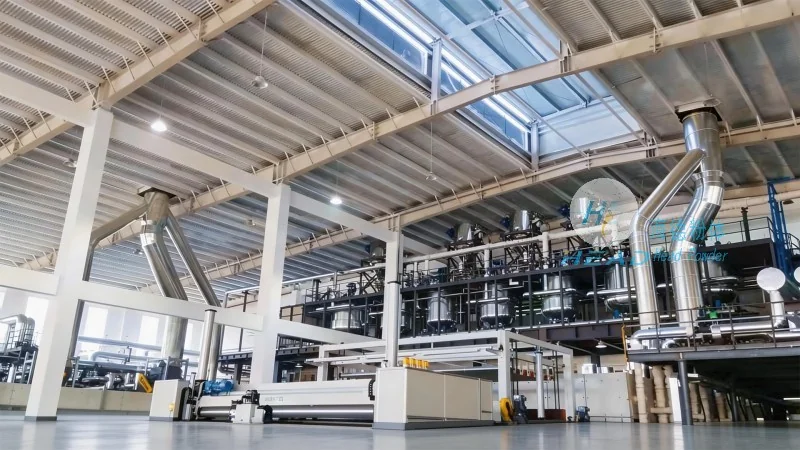
Application Examples in Tailings and Slag Handling
Positive pressure systems are commonly used in mining operations to transport tailings from processing plants to disposal sites. The high-pressure air ensures that even coarse or abrasive tailings are moved efficiently without clogging the pipeline. In contrast, negative pressure systems are often employed in industrial settings where fine slag powders need to be transported to storage or processing facilities. The vacuum created by the system helps to minimize dust emissions, making it suitable for applications where environmental compliance is a priority.
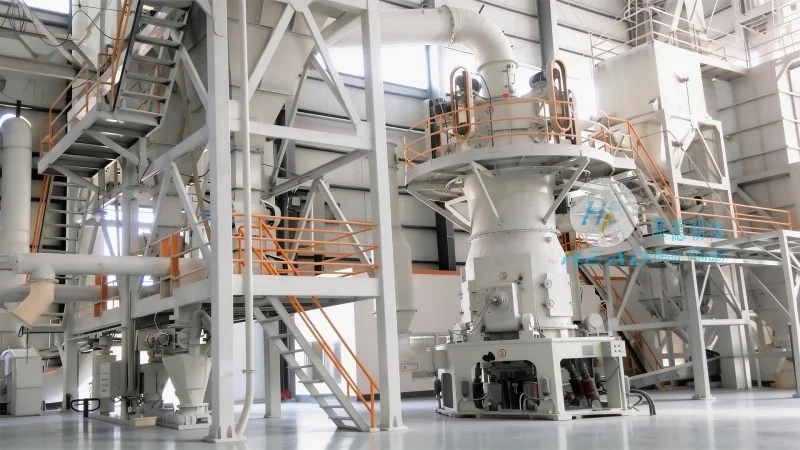
Advantages and Limitations of Each Mode
Positive pressure pneumatic conveying offers several advantages, including higher material throughput, better control over flow rates, and the ability to handle a wide range of material types. However, it may require more maintenance due to the higher stress on components and can be more expensive to install and operate. Negative pressure systems, while more energy-efficient, may have lower material capacity and are more susceptible to system failures if the vacuum is compromised. The choice of system should be based on a thorough analysis of the material properties, operational requirements, and cost considerations.
Conclusion and Recommendations
Both positive and negative pressure pneumatic conveying technologies are effective for handling tailings and slag, but the optimal choice depends on the specific application and operational needs. Positive pressure systems are generally preferred for high-capacity, long-distance transport of coarse or abrasive materials, while negative pressure systems are better suited for low-to-moderate capacity operations involving fine powders and where dust control is critical. By understanding the technical differences and performance characteristics of each mode, industrial operators can select the most appropriate pneumatic conveying solution to enhance efficiency, reduce costs, and ensure compliance with environmental regulations.