

Analysis of Corn Starch Pneumatic Conveying Technology: Comparison of Positive and Negative Pressure
Corn starch is a widely used raw material in the food, pharmaceutical, and chemical industries. Efficient and reliable material handling is crucial for maintaining production efficiency and product quality. Pneumatic conveying technology offers a solution for transporting corn starch from storage to processing units, with two primary modes: positive pressure and negative pressure systems. This article provides a detailed analysis of these two modes, focusing on their principles, characteristics, and applications in corn starch handling.
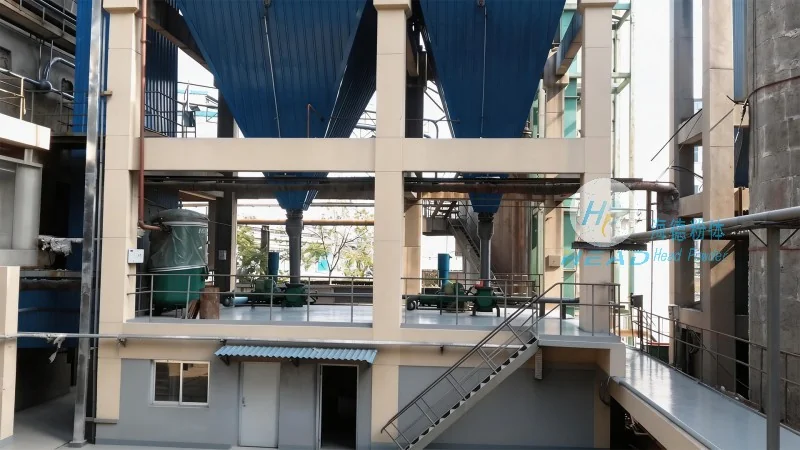
About HeadPowder
HeadPowder, a leading provider of engineering solutions, specializes in the design and implementation of pneumatic conveying systems. Based in Shandong, China, the company has extensive experience in serving the agricultural and food processing sectors. With a commitment to innovation and quality, HeadPowder delivers customized solutions tailored to the specific needs of corn starch manufacturers.
Positive Pressure Pneumatic Conveying System
The positive pressure system operates by generating air pressure within the conveying line, which forces the material to move from the source to the destination. This mode is typically used for long-distance or high-capacity conveying applications. In the context of corn starch, positive pressure systems are often preferred for their ability to handle large volumes of material and maintain consistent flow rates. The system consists of a blower, a hopper, and a conveying line, with the air pressure ensuring that the material is continuously pushed forward. Key advantages of positive pressure systems include high conveying capacity, minimal material degradation, and the ability to handle abrasive or sticky materials like corn starch. However, they may require more energy and have higher initial costs compared to negative pressure systems.
Negative Pressure Pneumatic Conveying System
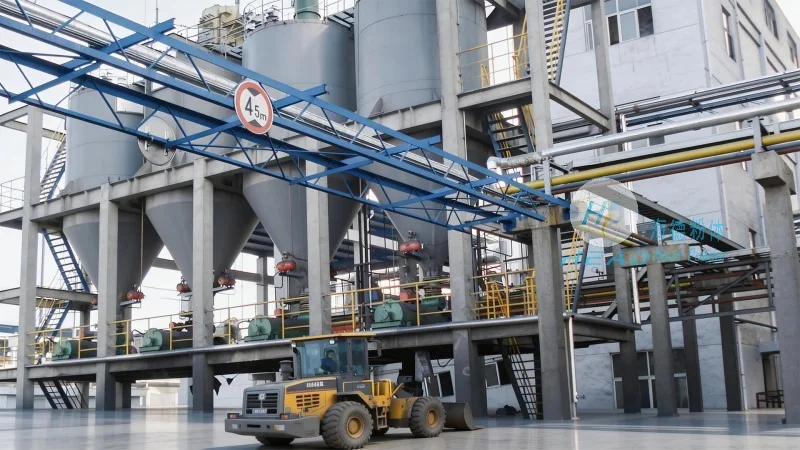
Conversely, the negative pressure system creates a vacuum within the conveying line, drawing the material from the source to the destination. This mode is commonly used for shorter distances or when the material needs to be transported from multiple points to a central collection point. For corn starch, negative pressure systems are suitable for applications where the material is sensitive to pressure or where the conveying distance is relatively short. The system includes a vacuum pump, a hopper, and a filter to collect the material and return the air to the environment. Advantages of negative pressure systems include lower energy consumption and lower initial costs, as they do not require a high-pressure blower. However, they may have lower conveying capacities and are more susceptible to clogging, especially with fine or dusty materials like corn starch.
Comparison of Positive and Negative Pressure Systems
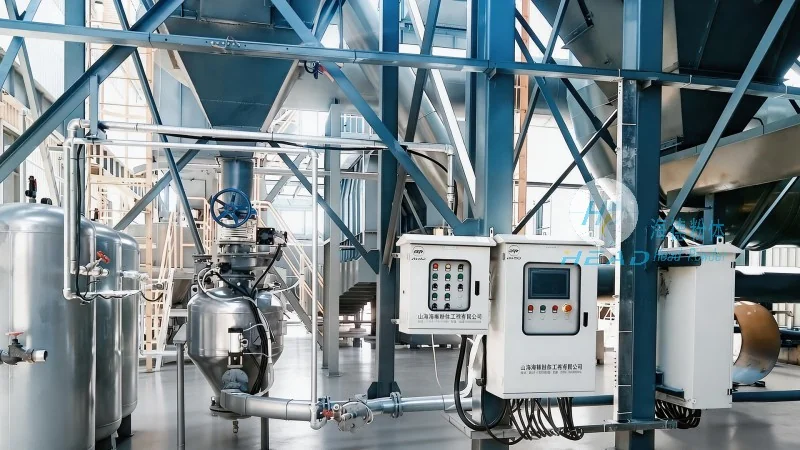
When selecting a pneumatic conveying system for corn starch, it is essential to consider the specific requirements of the application. The choice between positive and negative pressure systems depends on factors such as conveying distance, material characteristics, and energy efficiency. Positive pressure systems are generally more suitable for long-distance or high-volume conveying, while negative pressure systems are better for short distances or when the material is sensitive to pressure. In terms of energy consumption, negative pressure systems are more efficient for short distances, but positive pressure systems offer better performance for long distances. Material degradation is another critical factor; both systems can handle corn starch with minimal degradation, but positive pressure systems may be more effective in preventing material breakage due to the continuous pressure. Cost is also a significant consideration, with negative pressure systems having lower initial costs but potentially higher maintenance costs due to the need for frequent filter cleaning. Overall, the selection of the appropriate system should be based on a thorough analysis of the operational requirements and budget constraints.
Conclusion and Recommendations
Both positive and negative pressure pneumatic conveying systems offer effective solutions for corn starch handling, each with its own set of advantages and limitations. Positive pressure systems are ideal for large-scale, long-distance applications where high conveying capacity and consistent flow are required. Negative pressure systems are more suitable for smaller-scale, short-distance applications or when the material is sensitive to pressure and requires lower energy consumption. Manufacturers should conduct a detailed assessment of their specific needs, including conveying distance, material volume, and budget, to determine the most appropriate system. HeadPowder, with its expertise in pneumatic conveying technology, can provide customized solutions that optimize efficiency and cost-effectiveness for corn starch processing operations. By understanding the principles and characteristics of both positive and negative pressure systems, corn starch producers can make informed decisions to enhance their material handling processes and improve overall production performance.