

Analysis of Clay Coal Powder Pneumatic Conveying Technology: Comparison of Positive and Negative Pre
Clay coal powder, a crucial raw material in various industrial processes, requires efficient and reliable transportation methods to ensure smooth production workflows. Pneumatic conveying technology has emerged as a preferred solution for handling such powders due to its ability to transport materials without mechanical contact, reducing wear and contamination risks. This article delves into the technical aspects of pneumatic conveying systems, focusing on two primary modes: positive pressure and negative pressure, and compares their applications and performance characteristics.
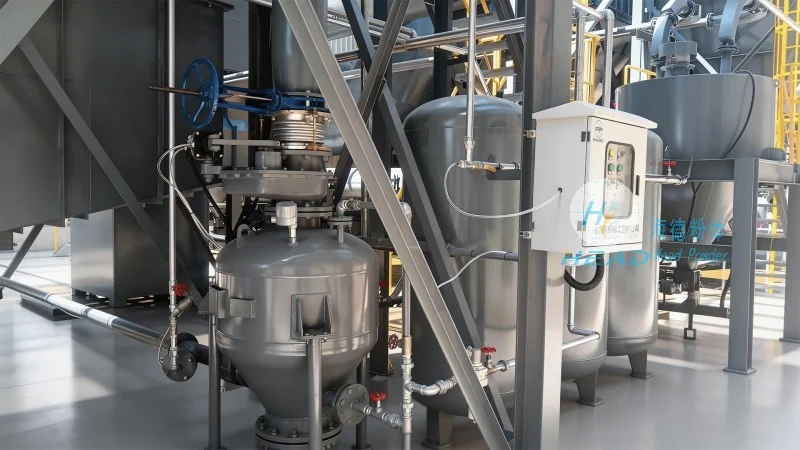
Understanding Positive Pressure Pneumatic Conveying
Positive pressure systems operate by generating air pressure within the conveying line, typically using a blower or compressor to force air and material through the pipeline. In this mode, the entire system is pressurized, ensuring that the material is continuously pushed forward. This approach is particularly effective for long-distance or high-capacity transport, as it maintains consistent flow rates and can handle a wide range of particle sizes and moisture content. The positive pressure method is widely used in industries such as cement, chemical, and food processing, where the need for gentle material handling and minimal degradation is critical.
Key advantages of positive pressure systems include high conveying capacity, ability to handle abrasive or sticky materials, and reduced risk of product degradation due to minimal mechanical contact. However, these systems require robust equipment and proper maintenance to prevent pressure leaks and ensure efficient operation. The initial investment and operational costs are generally higher compared to negative pressure systems, but the long-term benefits often outweigh the expenses, especially in large-scale industrial applications.
Exploring Negative Pressure Pneumatic Conveying
Negative pressure systems, also known as vacuum or suction systems, work by creating a low-pressure environment within the conveying line, drawing material from the source into the system. A vacuum pump or fan is used to create the suction, and the material is pulled through the pipeline. This mode is ideal for short-distance transport or applications where the material needs to be collected from multiple points. Negative pressure systems are commonly employed in industries like pharmaceuticals, where product purity and contamination control are paramount, as well as in applications requiring gentle handling of delicate powders.
One of the main benefits of negative pressure systems is their lower operational costs and simpler setup compared to positive pressure systems. They are generally more cost-effective for small-scale or short-distance conveying tasks. However, these systems have limitations, such as lower conveying capacity and potential for material degradation due to longer residence times in the system. Additionally, they may not be suitable for handling abrasive or high-volume materials, as the suction force can be insufficient to maintain consistent flow.

Comparative Analysis: Positive vs. Negative Pressure Modes
When selecting a pneumatic conveying system for clay coal powder, it is essential to consider the specific requirements of the application, including distance, material characteristics, and operational constraints. The choice between positive and negative pressure modes depends on several factors, including the distance between the source and destination, the volume of material to be transported, and the nature of the powder (e.g., particle size, moisture content, and abrasiveness).
For long-distance or high-capacity transport of clay coal powder, positive pressure systems are often the preferred choice due to their higher conveying efficiency and ability to handle challenging materials. These systems can transport materials over distances of several kilometers with minimal pressure loss, making them suitable for large-scale industrial plants. In contrast, negative pressure systems are better suited for short-distance or low-volume applications, where the focus is on maintaining product purity and minimizing contamination risks.
From an operational perspective, positive pressure systems require more maintenance and monitoring to ensure consistent pressure levels and prevent leaks. The equipment is more complex, involving high-pressure blowers and robust pipelines, which increases the initial capital expenditure. Negative pressure systems, while simpler in design, may require more frequent cleaning and maintenance to prevent clogging due to the suction process. The choice of system also impacts the overall cost structure, with positive pressure systems generally having higher upfront costs but lower long-term operational expenses, whereas negative pressure systems have lower initial costs but higher ongoing maintenance costs.
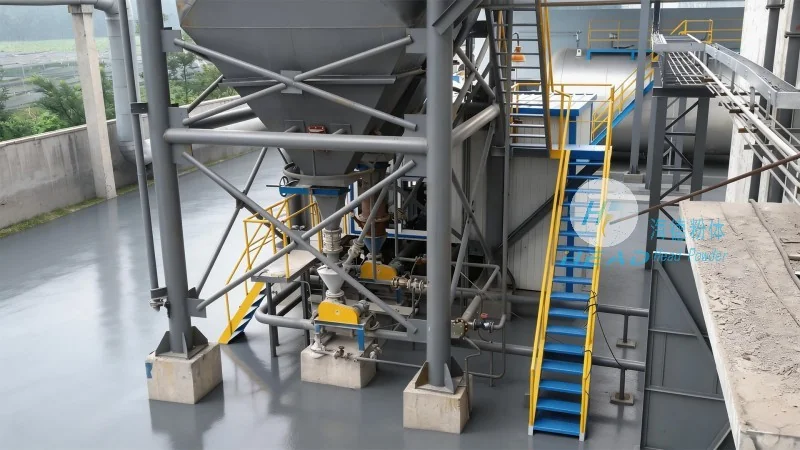
Application Scenarios and Best Practices
Understanding the strengths and limitations of both positive and negative pressure pneumatic conveying systems is crucial for optimizing material handling in industrial settings. For example, in cement production, where large volumes of clay coal powder are transported over long distances, a positive pressure system with a high-capacity blower is typically employed to ensure efficient and reliable transport. In pharmaceutical manufacturing, where product purity is critical, a negative pressure system with a vacuum pump and filtration system is preferred to prevent cross-contamination and maintain material integrity.
Best practices for implementing pneumatic conveying systems include regular maintenance of equipment, proper sizing of the conveying line and air flow, and monitoring of pressure and flow rates. It is also important to consider the material characteristics, such as particle size distribution and moisture content, as these factors can significantly impact the performance of the system. Additionally, incorporating filtration and separation systems can enhance the efficiency and longevity of the conveying process, reducing the risk of clogging and equipment wear.
Conclusion: Choosing the Right Pneumatic Conveying Solution
Both positive and negative pressure pneumatic conveying systems offer viable solutions for transporting clay coal powder, with each mode suited to specific application requirements. Positive pressure systems excel in long-distance, high-capacity transport, while negative pressure systems are ideal for short-distance, low-volume, and high-purity applications. The choice ultimately depends on the specific needs of the industrial process, including material characteristics, operational constraints, and cost considerations.
For businesses seeking reliable and efficient pneumatic conveying solutions, Shandong HeadPowder Engineering Co., Ltd. (headpowder) provides comprehensive technical expertise and customized system designs tailored to individual industrial needs. With a focus on quality and performance, the company offers advanced solutions that enhance material handling efficiency, reduce operational costs, and ensure product integrity. By leveraging the expertise of headpowder, industries can optimize their clay coal powder transportation processes and achieve greater productivity and sustainability.