

Analysis of Pneumatic Conveying Technology for Crystal Particle: Comparison of Positive and Negative
HeadPowder, a leading engineering firm based in Shandong, China, specializes in advanced pneumatic conveying solutions tailored for the handling of crystal particles. The efficient transportation of such materials is critical in industries like pharmaceuticals, food processing, and chemical manufacturing, where precision and minimal product degradation are paramount. This article provides a detailed analysis of the two primary pneumatic conveying modes—positive pressure and negative pressure systems—exploring their technical nuances, operational advantages, and suitability for crystal particle applications.
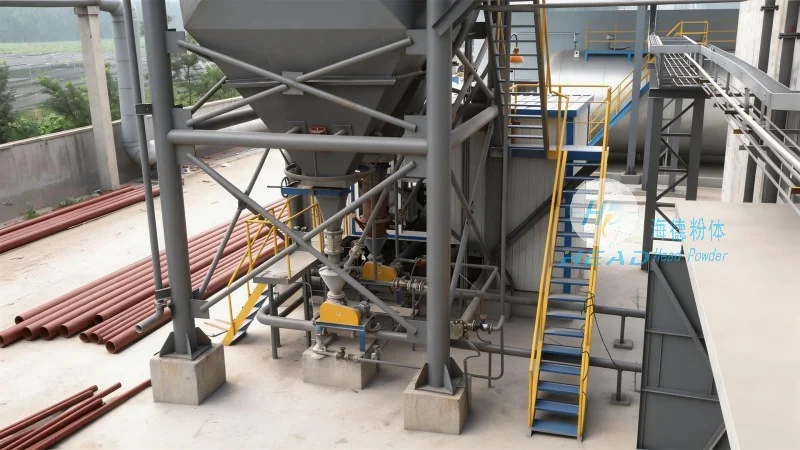
Overview of Pneumatic Conveying for Crystal Particles
Pneumatic conveying is a method of transporting bulk materials through a pipeline using pressurized or vacuum air. For crystal particles, which often require gentle handling to prevent breakage or contamination, the choice of conveying system is crucial. The two main categories are positive pressure systems, where air is forced into the system to move material, and negative pressure systems, where air is drawn out to create a vacuum that pulls material through the pipeline. Each mode has distinct characteristics that influence its application in crystal particle handling.
Positive Pressure Pneumatic Conveying Systems
Positive pressure systems operate by injecting high-pressure air into the conveying line, propelling the crystal particles forward. This mode is particularly effective for long-distance or high-capacity transport, as it can maintain consistent flow rates and handle abrasive or sticky materials without excessive wear on components. The system typically includes a blower, a hopper for material storage, and a pipeline network. In the context of crystal particles, positive pressure conveying ensures that the particles are kept in suspension, reducing the risk of clogging and ensuring uniform distribution. HeadPowder’s expertise in designing positive pressure systems involves optimizing air pressure, pipeline diameter, and material feed rates to achieve maximum efficiency while preserving the integrity of the crystal particles. The company’s engineering solutions often incorporate advanced control systems that monitor pressure, flow, and particle velocity, ensuring stable operation and minimizing downtime.
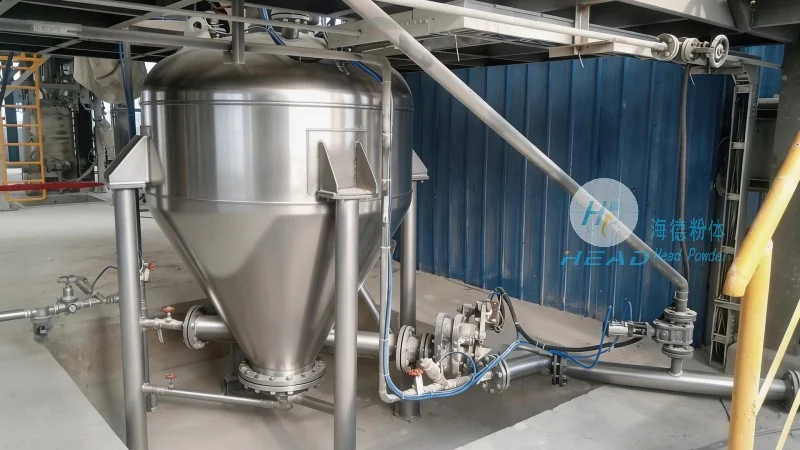
Negative Pressure Pneumatic Conveying Systems
Negative pressure systems, also known as vacuum or suction conveying, rely on a vacuum created by a fan or ejector to draw material from the source into the pipeline. This mode is well-suited for applications where the material needs to be transported from a low elevation or where the source is located in a confined space. For crystal particles, negative pressure conveying offers advantages such as lower air velocity requirements, which reduces the risk of particle breakage and dust generation. The system is also effective for handling fine or powdery materials that might be prone to dispersion under high pressure. HeadPowder’s negative pressure solutions often include features like cyclone separators and filtration systems to capture any airborne particles, ensuring compliance with environmental regulations. The company’s designs prioritize energy efficiency by using high-efficiency fans and optimizing the vacuum level to achieve the desired material transport without excessive energy consumption.
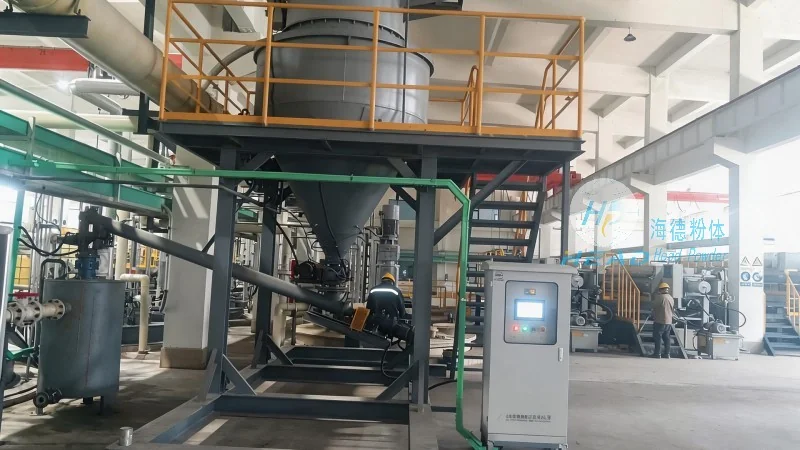
Comparative Analysis and Application Recommendations
When selecting between positive and negative pressure pneumatic conveying for crystal particles, several factors must be considered. Positive pressure systems are generally preferred for long-distance transport, high material throughput, and applications where the material is abrasive or sticky. They offer better control over material flow and are less susceptible to blockages caused by moisture or agglomeration. Conversely, negative pressure systems are ideal for short-distance transport, handling fine powders, and applications where the source is at a lower elevation or in a confined area. They are also more suitable for environments where dust control is a priority, as the vacuum draws particles into the system rather than expelling them. HeadPowder’s engineers conduct thorough assessments of each project’s specific requirements—including material properties, distance, and environmental constraints—to recommend the most appropriate conveying mode. For instance, in pharmaceutical applications where product purity is critical, a negative pressure system may be preferred to minimize the risk of cross-contamination from external air. In contrast, in chemical processing where high throughput is required, a positive pressure system might be the better choice. The company’s customized solutions ensure that the selected mode aligns with the operational goals and regulatory standards of the client.
HeadPowder Engineering Co., Ltd., based in Shandong, China, leverages decades of experience in pneumatic conveying technology to deliver tailored solutions for crystal particle handling. By carefully evaluating the advantages and limitations of positive and negative pressure systems, the company provides clients with systems that optimize efficiency, maintain product quality, and comply with industry regulations. Whether a client requires a positive pressure system for long-distance transport or a negative pressure system for fine powder handling, HeadPowder’s engineering expertise ensures that the chosen solution meets the specific needs of the application.