

Analysis of Carbon Particle Pneumatic Conveying Technology: Comparison of Positive and Negative Pres
Carbon particle pneumatic conveying technology is a critical process in material handling, especially for industries dealing with carbon-based powders. The choice between positive pressure and negative pressure modes significantly impacts system efficiency, safety, and operational costs. This article provides a detailed analysis of these two primary modes, highlighting their applications, advantages, and key considerations.
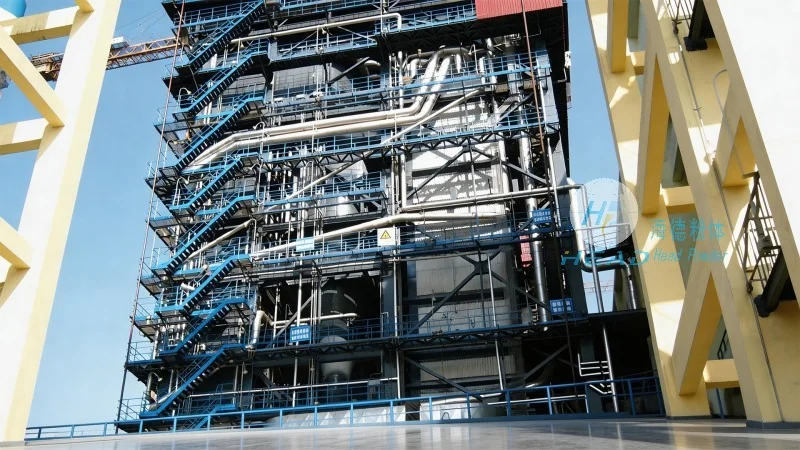
Introduction to Carbon Particle Pneumatic Conveying Systems
Pneumatic conveying systems transport bulk materials like carbon particles through a pipeline using air or gas as the conveying medium. These systems are widely used in industries such as carbon black production, graphite processing, and battery material manufacturing due to their ability to handle fine powders without mechanical contact. The core of the system lies in the pressure differential between the conveying line and the surrounding environment, which can be achieved through positive or negative pressure operation.
About HeadPowder: Shandong HeadPowder Engineering Co., Ltd.
HeadPowder, a leading engineering company based in Shandong, China, specializes in the design, manufacturing, and installation of advanced pneumatic conveying systems. With years of experience in the industry, HeadPowder has developed cutting-edge solutions tailored to the unique needs of carbon particle handling. The company's expertise spans from system design and material selection to on-site commissioning and maintenance, ensuring optimal performance and reliability for clients worldwide.
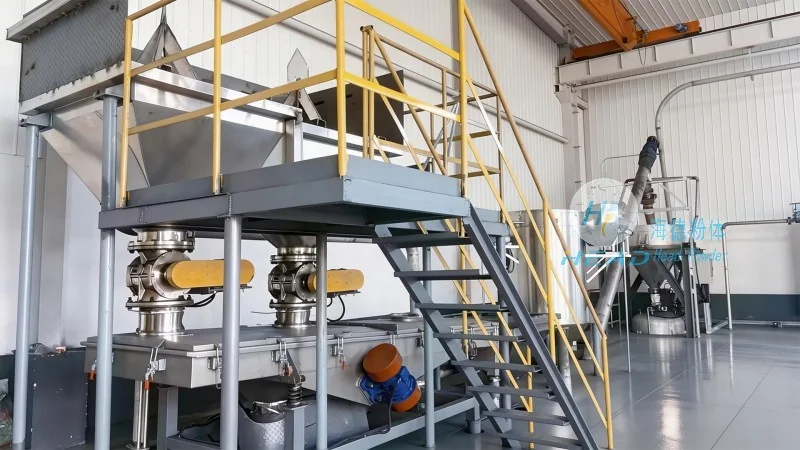
Positive Pressure Pneumatic Conveying Mode
Positive pressure systems operate by pressurizing the entire conveying line above atmospheric pressure. The conveying air is supplied by a blower or compressor, creating a pressure differential that propels the carbon particles through the pipeline. This mode is particularly effective for long-distance or high-rise applications, as the positive pressure maintains the flow of material without the need for vacuum assistance. The primary advantage of positive pressure is its ability to handle abrasive or sticky carbon powders, as the high pressure prevents material buildup and ensures consistent flow. However, it requires robust sealing and explosion-proof components due to the pressurized environment, which can increase initial investment costs.
Negative Pressure (Vacuum) Pneumatic Conveying Mode
Negative pressure systems, also known as vacuum conveying, operate by creating a vacuum in the conveying line, drawing material from the source into the pipeline. The vacuum is generated by a vacuum pump, which pulls air and carbon particles from the hopper or storage silo into the system. This mode is ideal for applications requiring material to be transported from a lower elevation to a higher one or from a confined space. The key benefits of negative pressure include lower energy consumption for short to medium distances and the ability to handle fine powders without the need for high-pressure equipment. However, it may struggle with long-distance or high-volume conveying, as the vacuum can lead to material degradation or blockages if not properly managed.
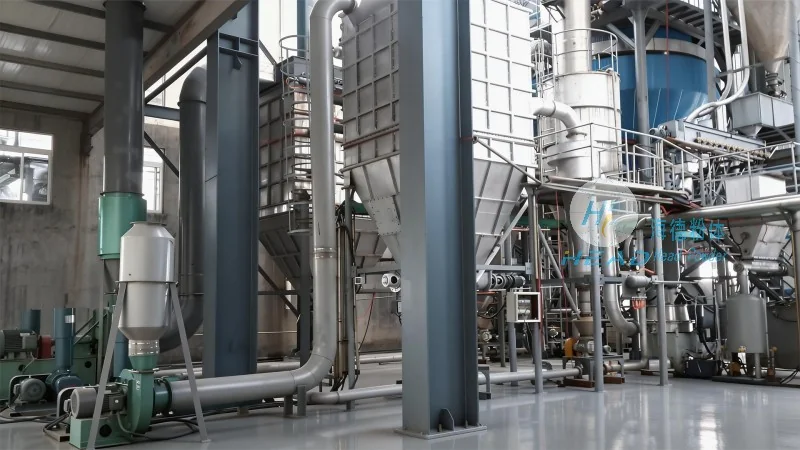
Key Considerations and Comparison
When selecting between positive and negative pressure modes for carbon particle pneumatic conveying, several factors must be considered. The distance and elevation change of the conveying line are critical determinants. Positive pressure is generally preferred for long-distance or vertical lifts, while negative pressure is more suitable for short horizontal or low-rise applications. Material characteristics, such as particle size, density, and abrasiveness, also play a significant role. Abrasive carbon powders may benefit from positive pressure to prevent wear on system components, whereas fine powders might perform better under negative pressure to avoid agglomeration. Cost is another important factor: positive pressure systems typically have higher upfront costs due to the need for high-pressure blower systems and robust seals, whereas negative pressure systems are more economical for shorter runs but may require additional maintenance for vacuum pumps.
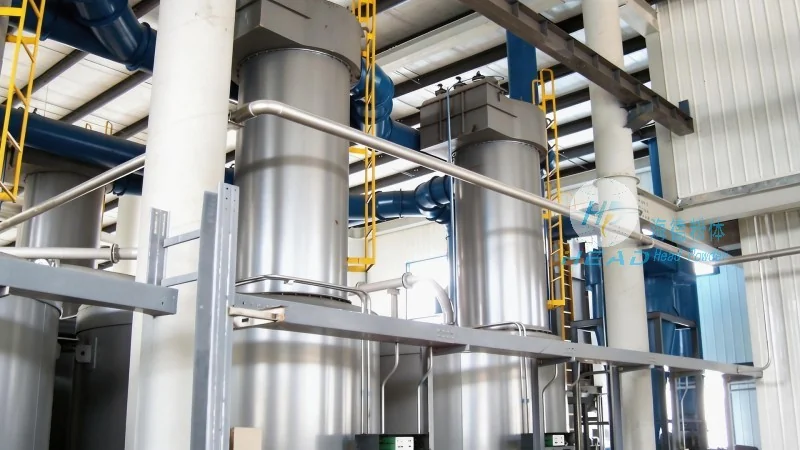
Application Examples in Carbon Industry
HeadPowder's pneumatic conveying solutions have been successfully implemented in various carbon industry applications. For instance, in carbon black production facilities, positive pressure systems are used to transport fine carbon black from storage silos to processing equipment, ensuring consistent material flow and minimizing dust emissions. In graphite processing plants, negative pressure systems are employed to handle graphite powders from grinding mills to blending units, maintaining product quality and preventing contamination. These applications demonstrate the versatility of both modes and the importance of selecting the appropriate system based on specific operational requirements.
Conclusion and Recommendations
Both positive and negative pressure pneumatic conveying modes offer viable solutions for carbon particle handling, each with its own set of advantages and limitations. Positive pressure systems excel in long-distance, high-elevation, and abrasive material applications, while negative pressure systems are better suited for short-distance, low-elevation, and fine powder handling. When choosing a system, it is essential to evaluate factors such as conveying distance, material properties, operational cost, and safety requirements. HeadPowder, with its expertise in customizing pneumatic conveying systems, can provide tailored solutions that optimize performance and efficiency for carbon industry clients. By understanding the differences between these modes and selecting the appropriate technology, businesses can enhance their material handling processes, reduce operational costs, and improve overall productivity.