

Choosing Between Positive Pressure and Negative Pressure for Cement and Mineral Powder Pneumatic Con
When it comes to transporting cement and mineral powders, selecting the right pneumatic conveying system is crucial for efficiency, cost-effectiveness, and operational safety. Two primary approaches dominate the industry: positive pressure and negative pressure systems. Understanding the differences between these two methods is essential for making an informed decision that aligns with your specific operational needs. This article explores the key characteristics, advantages, and practical considerations of both positive and negative pressure pneumatic conveying systems, helping you determine which option is best suited for your cement and mineral powder handling requirements.
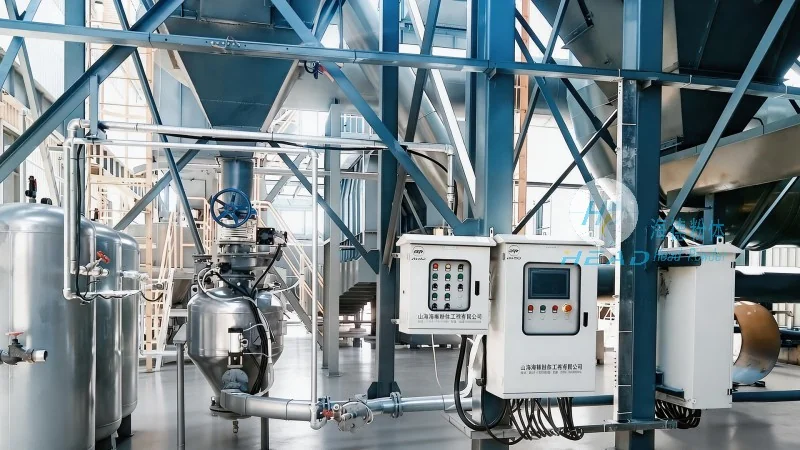
Understanding Positive Pressure Pneumatic Conveying
Positive pressure pneumatic conveying systems operate by blowing air or gas into the material to be transported. The system uses a blower or compressor to generate pressure, which forces the material through the conveying line. This method is particularly effective for long-distance and high-capacity transport of bulk materials like cement and mineral powders. The positive pressure approach ensures that the material is continuously pushed forward, reducing the risk of blockages and ensuring consistent flow rates. For applications requiring reliable and continuous material movement, positive pressure systems are often preferred.
Key advantages of positive pressure systems include their ability to handle abrasive materials without significant wear on the equipment, as the material is propelled rather than pulled. Additionally, these systems can operate at higher pressures, making them suitable for transporting materials over considerable distances without the need for intermediate boosters. The positive pressure method also allows for easier integration with existing infrastructure, as the system can be connected to existing air compressors or blowers.
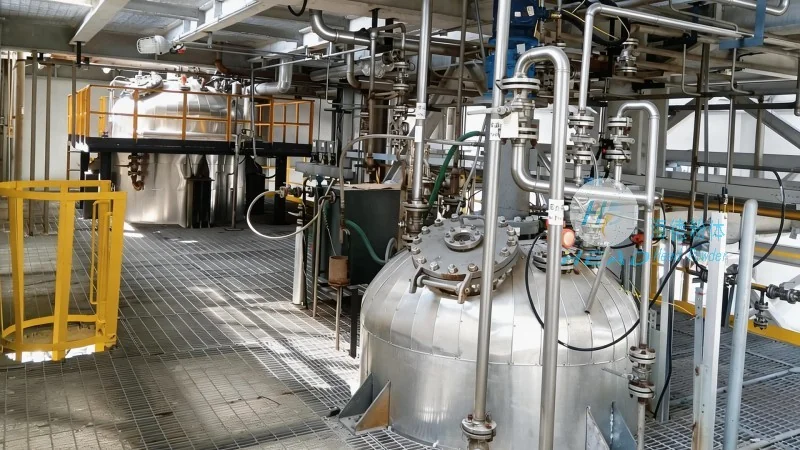
Understanding Negative Pressure Pneumatic Conveying
Negative pressure, or vacuum, pneumatic conveying systems work by creating a vacuum in the conveying line, which draws the material from the source into the system. The vacuum is typically generated by a vacuum pump, and the material is then transported to the destination. This method is often used for shorter distances and for materials that are more sensitive to pressure changes or for applications where the material needs to be transported from a higher elevation to a lower one.
One of the main benefits of negative pressure systems is their ability to handle fine powders and dust without causing excessive dust emissions. The vacuum environment helps to contain particles, reducing the risk of airborne contamination. Additionally, these systems are generally quieter and less visually intrusive, making them suitable for applications where noise and dust control are critical. However, negative pressure systems may have limitations in terms of the distance they can effectively transport materials, as the vacuum strength diminishes over longer distances.
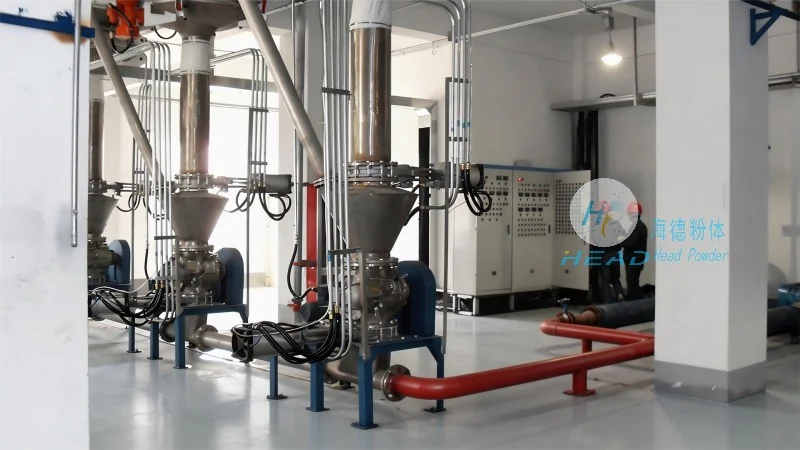
Distinguishing Between Positive and Negative Pressure Systems
Several factors can help in distinguishing between positive and negative pressure pneumatic conveying systems. The first consideration is the distance and capacity requirements. Positive pressure systems are generally more suitable for long-distance and high-capacity transport, while negative pressure systems are better for shorter distances and lower capacities. The material characteristics also play a significant role. For example, abrasive or heavy materials are often better suited for positive pressure systems due to the lower wear and higher pressure capabilities. Conversely, fine powders and materials that are sensitive to pressure changes may benefit from negative pressure systems to minimize particle degradation.
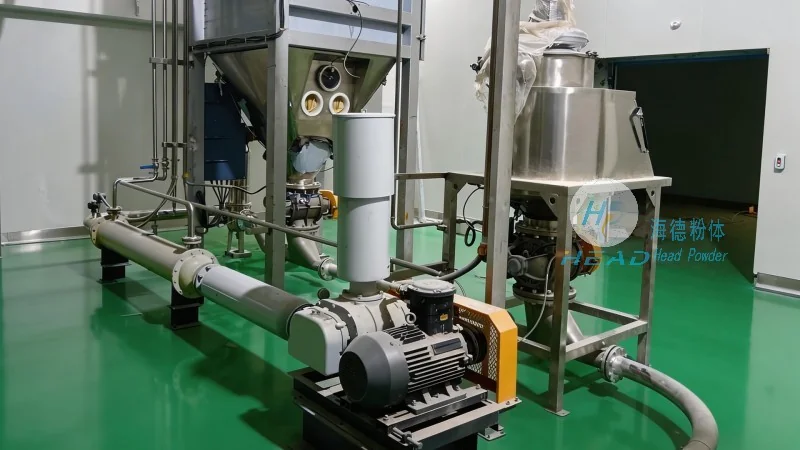
Operational environment and safety considerations are also important. Positive pressure systems may generate more noise and dust compared to negative pressure systems, which can be a concern in industrial settings. Negative pressure systems, on the other hand, are often preferred in environments where dust control and noise reduction are paramount. The cost of installation and maintenance is another factor to consider. Positive pressure systems may require more robust equipment and higher energy consumption due to the need for high-pressure blowers, while negative pressure systems may have lower initial costs but potentially higher maintenance for vacuum pumps.
Choosing the Right System for Cement and Mineral Powder Handling
When deciding between positive and negative pressure pneumatic conveying for cement and mineral powders, it is essential to evaluate your specific operational parameters. Consider the distance between the source and destination, the volume of material to be transported, the material's physical properties (such as particle size, moisture content, and abrasiveness), and the environmental and safety requirements of your facility. Consulting with a specialized engineering company, such as Shandong HeadPowder Engineering Co., Ltd., can provide valuable insights into the most suitable system for your needs. HeadPowder, with its expertise in bulk material handling, offers comprehensive solutions tailored to the unique challenges of cement and mineral powder transportation, ensuring optimal performance and efficiency.