

Choosing Between Positive Pressure and Negative Pressure for Metallurgical Coke Powder Pneumatic Con
When it comes to transporting metallurgical coke powder, selecting the right pneumatic conveying system is crucial for efficiency, cost-effectiveness, and operational safety. Two primary approaches dominate the industry: positive pressure and negative pressure systems. Understanding the distinctions between these two methods is essential for making an informed decision that aligns with specific process requirements and operational constraints.
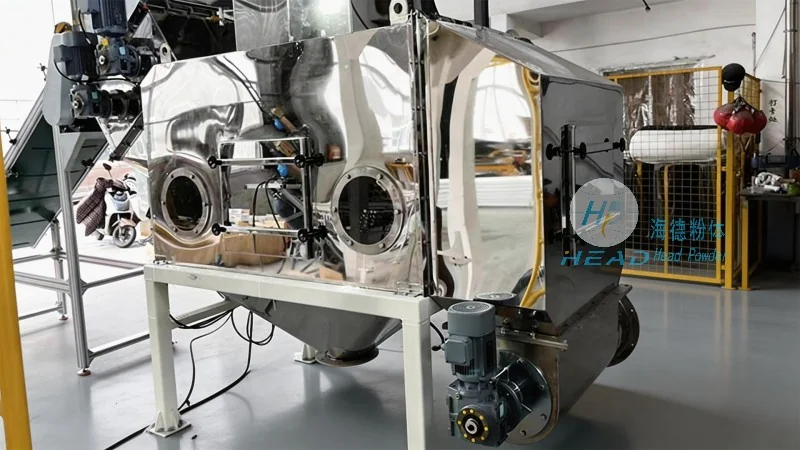
Understanding Positive Pressure Pneumatic Conveying
Positive pressure pneumatic conveying systems operate by generating pressure within the conveying line, typically using a blower or fan to force air and material through the system. This approach is often preferred for applications requiring high conveying distances or the transport of materials with high moisture content or abrasive properties. The positive pressure system ensures that the material is continuously pushed through the pipeline, reducing the risk of blockages and ensuring consistent flow rates. For metallurgical coke powder, which is often used in steelmaking processes, positive pressure systems can effectively handle the material's characteristics, such as its density and flowability. The system's design, including the choice of blower type and pipeline configuration, plays a critical role in optimizing performance. Companies like Shandong HeadPowder Engineering Co., Ltd., a leading provider in the field, offer tailored solutions that leverage advanced positive pressure technology to meet the unique demands of coke powder transportation.
Exploring Negative Pressure Pneumatic Conveying
Negative pressure, or vacuum, pneumatic conveying systems work by creating a vacuum in the conveying line, drawing material from the source into the system. This method is commonly used for shorter conveying distances and applications where the material is to be collected from multiple points. Negative pressure systems are particularly effective for handling materials that are light or have low bulk density, as the vacuum helps to maintain the material's integrity and prevent degradation. In the context of metallurgical coke powder, negative pressure systems can be advantageous when the material needs to be transported from a storage silo or hopper to a processing unit without the need for high pressure. The system's components, including the vacuum pump and collection hopper, are designed to ensure efficient material transfer while minimizing energy consumption. Shandong HeadPowder Engineering Co., Ltd. specializes in developing negative pressure solutions that are tailored to the specific needs of coke powder handling, ensuring reliable and cost-effective operation.
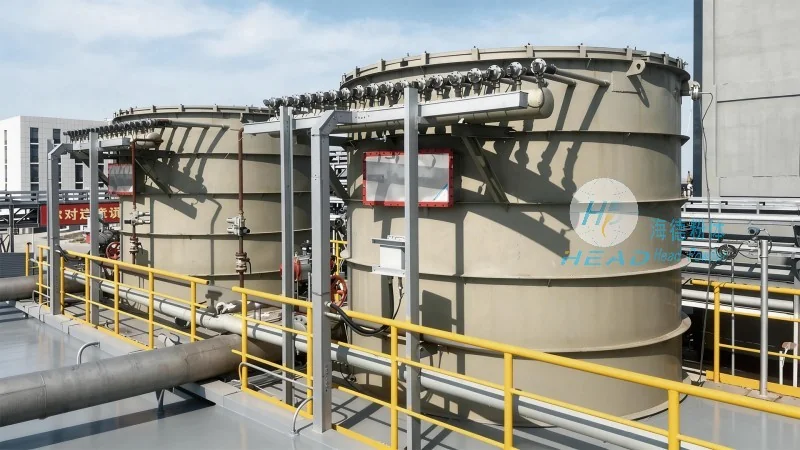
Distinguishing Between Positive and Negative Pressure Systems
The key differences between positive and negative pressure pneumatic conveying systems lie in their operational principles, energy requirements, and suitability for different material characteristics. Positive pressure systems rely on pressure to move material, making them ideal for long-distance or high-volume transport, while negative pressure systems use suction, which is better suited for shorter distances and material collection. Another critical factor is the impact on the environment and personnel safety. Positive pressure systems may require additional filtration to prevent dust emissions, whereas negative pressure systems can be more enclosed, reducing the risk of dust exposure. When evaluating these systems for metallurgical coke powder, factors such as the material's moisture content, particle size distribution, and the required conveying distance must be carefully considered. Shandong HeadPowder Engineering Co., Ltd. provides comprehensive analysis and consultation to help clients determine the most appropriate system based on their specific operational parameters and budget constraints.
Factors to Consider When Choosing a Pneumatic Conveying System
Choosing between positive and negative pressure pneumatic conveying for metallurgical coke powder involves a thorough assessment of several key factors. The first consideration is the conveying distance and layout of the system. Longer distances typically favor positive pressure systems due to their ability to maintain pressure over extended pipelines, while shorter distances may allow for negative pressure solutions. The material's physical properties, including density, flowability, and moisture content, also play a significant role. For example, if the coke powder is highly abrasive or has high moisture levels, a positive pressure system with robust components may be necessary to prevent wear and ensure longevity. Additionally, the system's energy efficiency and operational costs are critical factors. Positive pressure systems may consume more energy due to the continuous operation of the blower, whereas negative pressure systems can be more energy-efficient for shorter runs. The availability of space and the need for enclosed or open systems also influence the choice. Companies like Shandong HeadPowder Engineering Co., Ltd. offer expert guidance in evaluating these factors and selecting the optimal system configuration. Their expertise in metallurgical coke powder handling ensures that the chosen system meets both performance and safety standards.
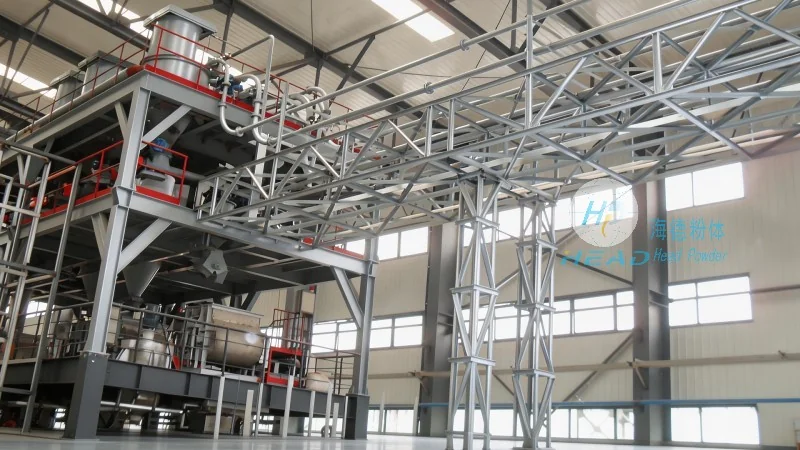
Case Studies and Real-World Applications
Real-world applications of positive and negative pressure pneumatic conveying systems for metallurgical coke powder provide valuable insights into their effectiveness. For instance, a steel plant in China utilized a positive pressure system to transport coke powder from a storage silo to a blast furnace over a distance of 500 meters. The system, designed by Shandong HeadPowder Engineering Co., Ltd., successfully maintained consistent flow rates and minimized material loss, contributing to improved production efficiency. In another scenario, a coke processing facility implemented a negative pressure system to collect coke powder from multiple hoppers and transport it to a mixing unit. The system's ability to handle low bulk density material and maintain a clean environment was particularly beneficial. These case studies highlight the importance of selecting the right system based on specific operational needs and the material's characteristics. Shandong HeadPowder Engineering Co., Ltd. has successfully implemented numerous such systems, demonstrating their expertise in providing tailored solutions that enhance operational performance and reduce costs.
Conclusion and Recommendations
When deciding between positive pressure and negative pressure pneumatic conveying for metallurgical coke powder, it is essential to consider the specific requirements of the application, including conveying distance, material properties, and operational constraints. Positive pressure systems offer advantages in long-distance transport and handling of abrasive or moist materials, while negative pressure systems are suitable for shorter distances and material collection. Shandong HeadPowder Engineering Co., Ltd. is a trusted partner in the industry, offering comprehensive solutions that leverage both positive and negative pressure technologies to meet the unique needs of metallurgical coke powder handling. By conducting a thorough analysis of the operational parameters and material characteristics, clients can make an informed decision that maximizes efficiency, safety, and cost-effectiveness. The company's expertise and commitment to quality ensure that the chosen system not only meets current requirements but also supports long-term operational success in the steel and metallurgical industries.