

Distinguishing Positive Pressure vs. Negative Pressure for Dusty Coke Powder Pneumatic Conveying: Ho
When it comes to handling dusty coke powder through pneumatic conveying systems, selecting the right pressure type—positive or negative—is a critical decision that impacts system efficiency, operational safety, and overall cost-effectiveness. For industries dealing with bulk materials like coke powder, understanding the nuances between positive pressure and negative pressure conveying is essential for optimizing material transport processes. This article explores the key differences between these two approaches, helping professionals in material handling and process engineering make informed choices tailored to their specific operational needs.
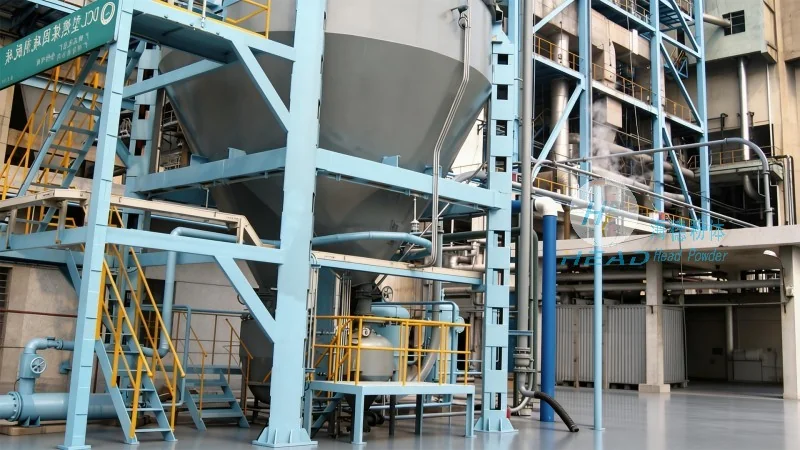
Understanding Pneumatic Conveying Basics
Pneumatic conveying is a method of transporting bulk materials through a pipeline using air or gas as the conveying medium. It is widely used in industries such as mining, chemicals, and food processing due to its ability to handle fine, dusty materials that are difficult to transport via traditional methods like belt conveyors or trucks. The two primary pressure types in pneumatic conveying are positive pressure and negative pressure, each with distinct characteristics and applications.
Positive Pressure Pneumatic Conveying
Positive pressure conveying operates by generating a higher pressure within the conveying system compared to the ambient environment. The material is fed into the system under pressure, and it is expelled through the pipeline as the air or gas moves forward. This method is particularly suitable for long-distance or complex pipe networks where the material needs to be transported over significant distances or through multiple bends and changes in elevation. The high-pressure environment ensures that the material is continuously pushed through the system, reducing the risk of blockages and ensuring consistent flow rates.
Key advantages of positive pressure systems include their ability to handle abrasive or corrosive materials, as the high pressure helps maintain material integrity and prevents degradation. Additionally, positive pressure systems are generally more reliable for high-volume applications, as they can maintain consistent flow rates even under varying load conditions. However, these systems require robust sealing and pressure control mechanisms to prevent air leakage and maintain system efficiency. The initial investment and maintenance costs are typically higher compared to negative pressure systems due to the need for powerful blowers and advanced sealing components.
Negative Pressure Pneumatic Conveying
Conversely, negative pressure conveying works by creating a lower pressure inside the system than the surrounding environment. The material is drawn into the system by the suction created by the air or gas flow, and it is transported through the pipeline as the air moves backward. This approach is ideal for short-distance transport or applications where the material needs to be collected from multiple points and transported to a central collection point. Negative pressure systems are often preferred when the material is sensitive to pressure changes or when the environment needs to be kept clean, as the system draws material in rather than expelling it under pressure.
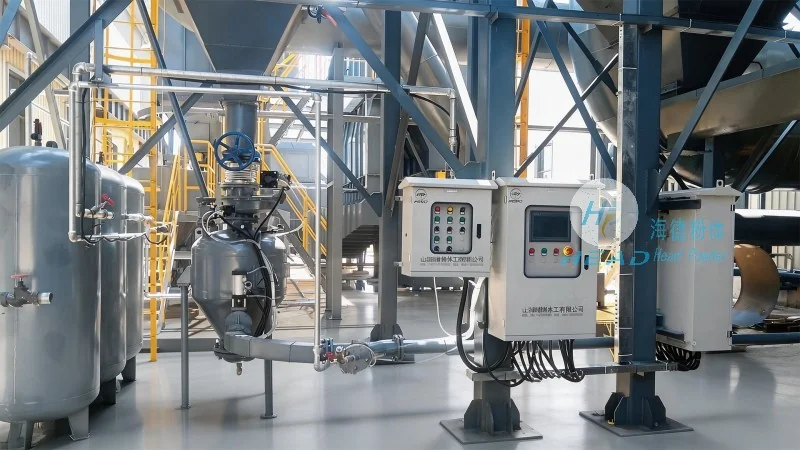
One of the main benefits of negative pressure systems is their lower initial cost and reduced maintenance requirements. Since they operate at lower pressures, the equipment needed is generally less powerful and less complex. This makes them a more economical choice for smaller-scale operations or for transporting materials over short distances. However, negative pressure systems have limitations in terms of the maximum distance they can cover and the type of material they can handle. Long distances or high-density materials may cause significant pressure drops, leading to reduced conveying efficiency or even system failure. Additionally, negative pressure systems are more susceptible to blockages if the material contains large particles or is prone to agglomeration.
How to Distinguish Between Positive and Negative Pressure Systems
Choosing between positive and negative pressure pneumatic conveying depends on several factors, including the distance of material transport, the characteristics of the coke powder (such as particle size, moisture content, and dust concentration), the required flow rate, and the overall system layout. Here are some key considerations to help in the decision-making process:
1. **Transport Distance**: For long-distance conveying (typically over 100 meters or more), positive pressure systems are generally more suitable due to their ability to maintain pressure and flow over extended lengths. Negative pressure systems are better suited for short distances (under 50 meters) where the material can be drawn in efficiently without significant pressure loss.
2. **Material Characteristics**: The properties of the coke powder, such as its fineness, moisture content, and tendency to agglomerate, play a crucial role. Fine, dry coke powder with low moisture content is often better suited for positive pressure systems, as the high pressure helps prevent particle separation and ensures consistent flow. For materials with higher moisture content or larger particle sizes, negative pressure systems may be more appropriate to avoid blockages and maintain system performance.
3. **System Layout and Complexity**: The complexity of the pipe network and the number of bends or changes in elevation also influence the choice. Positive pressure systems can handle more complex layouts due to their ability to maintain pressure, while negative pressure systems may struggle with complex networks that involve multiple turns or vertical lifts.
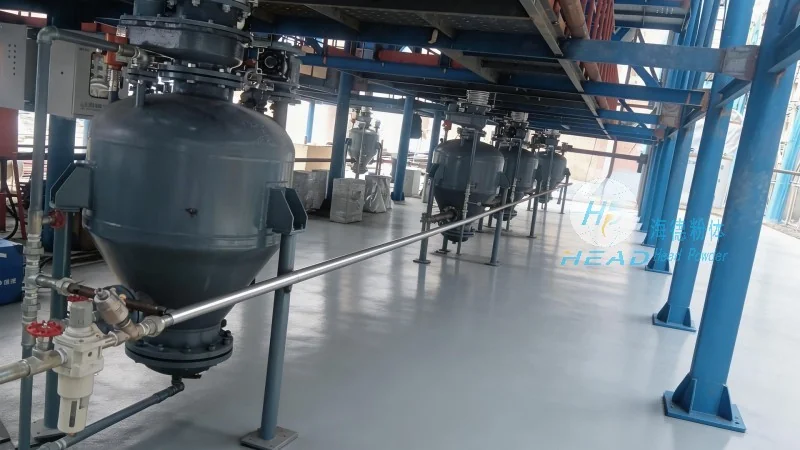
4. **Environmental and Safety Considerations**: If the material is highly dusty and poses a health risk, negative pressure systems are often preferred as they draw material in, reducing the risk of dust escaping into the environment. Positive pressure systems, on the other hand, expel material under pressure, which may require additional containment measures to prevent dust emissions.
Case Study: Application in Coke Powder Handling
Consider a coke powder handling facility in Shandong, China, where the company, Shandong HeadPowder Engineering Co., Ltd., is tasked with transporting coke powder from a storage silo to a processing plant over a distance of 150 meters. The material is fine, dry, and has a high dust concentration. In this scenario, a positive pressure system would be the most suitable choice. The high-pressure blower would generate sufficient pressure to push the coke powder through the pipeline, ensuring consistent flow rates and minimal blockages. The system would also be equipped with robust sealing and filtration components to maintain air quality and prevent dust leakage.
Conversely, if the same facility needed to collect coke powder from multiple small hoppers and transport it to a central collection point over a shorter distance (e.g., 30 meters), a negative pressure system might be more appropriate. The suction created by the system would draw the material from each hopper, ensuring that the material is collected efficiently without the need for high-pressure equipment. The lower cost and simpler design of the negative pressure system would make it a more economical choice for this specific application.
Conclusion
Choosing between positive pressure and negative pressure pneumatic conveying for dusty coke powder requires a careful evaluation of operational requirements, material characteristics, and system constraints. Positive pressure systems offer advantages in long-distance transport and handling of abrasive materials, while negative pressure systems are more economical and suitable for short distances or applications where environmental considerations are paramount. By understanding the key differences and considering the specific needs of the operation, industries can select the most appropriate pneumatic conveying system to optimize material transport efficiency and ensure safe, reliable operation.