

Choosing Between Positive Pressure and Negative Pressure for Granular Fertilizer Pneumatic Conveying
When it comes to transporting granular fertilizers, selecting the right pneumatic conveying system is crucial for efficiency, cost-effectiveness, and operational safety. Two primary methods are widely used: positive pressure and negative pressure systems. Understanding the differences between these two approaches is essential for making an informed decision that aligns with specific operational needs. This article will explore the key characteristics of both positive and negative pressure pneumatic conveying systems, focusing on how they apply to granular fertilizer transport, and provide guidance on how to distinguish between them.

Introduction to Pneumatic Conveying Systems
Pneumatic conveying is a method of transporting bulk materials like granular fertilizers through a pipeline using air or gas as the conveying medium. This technology offers several advantages over traditional mechanical conveying, including reduced maintenance, lower energy consumption, and the ability to handle materials in a dust-free environment. The choice between positive and negative pressure systems depends on factors such as material properties, system layout, and the desired level of control over the conveying process.
Positive Pressure Pneumatic Conveying Systems
Positive pressure systems operate by blowing air or gas into the conveying line, creating a pressure higher than the ambient air pressure. This pressurized air propels the material through the pipeline. In the context of granular fertilizer transport, positive pressure systems are often preferred for their ability to handle materials with higher moisture content or those that are prone to caking. The high pressure ensures that the material is fully suspended and transported efficiently. Additionally, positive pressure systems are generally more suitable for long-distance or complex system layouts, as they can maintain consistent pressure throughout the pipeline. The equipment used in positive pressure systems typically includes a positive displacement blower or a centrifugal fan, which generates the necessary pressure to move the material.
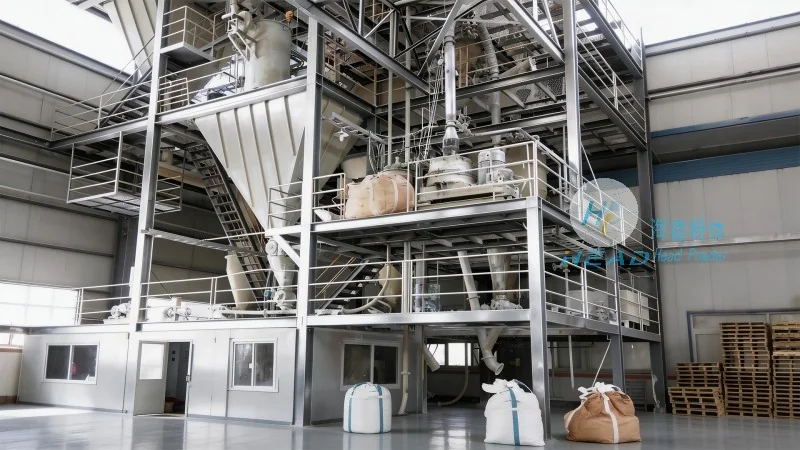
Negative Pressure Pneumatic Conveying Systems
Negative pressure systems, also known as vacuum systems, work by creating a vacuum in the conveying line, which draws the material into the pipeline. The air and material are then drawn into a receiver or separator where the material is separated from the air. For granular fertilizers, negative pressure systems are often used when the material is to be collected from multiple points or when the system is designed to minimize dust emissions at the source. These systems are generally more suitable for shorter distances and simpler layouts, as maintaining a consistent vacuum over long distances can be challenging. The equipment in negative pressure systems includes a vacuum pump or a fan that operates in a vacuum mode, and a collection hopper or receiver to separate the material from the air.
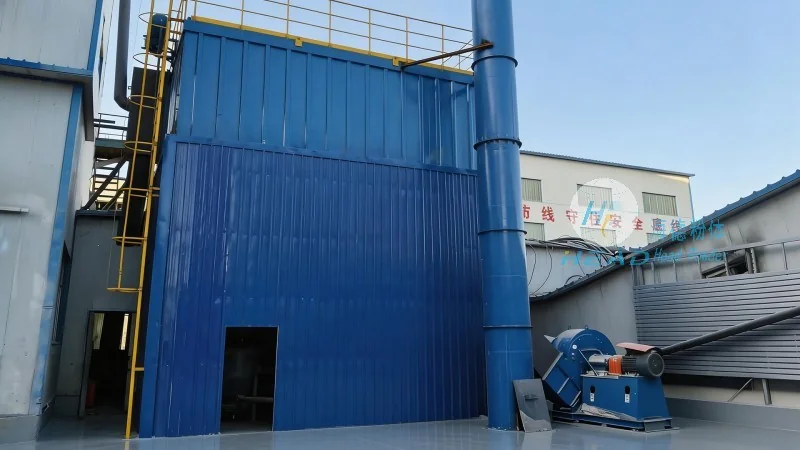
Distinguishing Between Positive and Negative Pressure Systems
Several key factors can help in distinguishing between positive and negative pressure pneumatic conveying systems for granular fertilizers. First, consider the material properties. Positive pressure systems are better suited for materials that are more cohesive or have higher moisture content, as the high pressure helps to prevent material buildup and ensure smooth transport. Negative pressure systems are often preferred for materials that are more free-flowing and less prone to caking. Second, evaluate the system layout and distance. Positive pressure systems are ideal for long-distance or complex networks, as they can maintain pressure without significant loss. Negative pressure systems are more suitable for shorter distances or when the material is collected from multiple sources. Third, assess the operational requirements. Positive pressure systems offer better control over the conveying rate and can handle higher material loads, making them suitable for high-throughput applications. Negative pressure systems, while effective for dust control, may have lower conveying capacities and require more maintenance for the vacuum equipment.
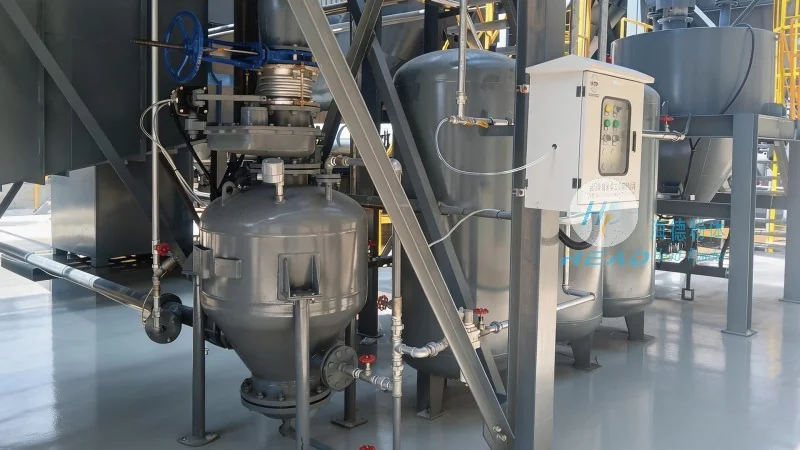
Application Considerations for Granular Fertilizer Transport
When applying these systems to granular fertilizer transport, it is important to consider the specific characteristics of the fertilizer being handled. For example, if the fertilizer is a high-moisture product that tends to clump, a positive pressure system with higher air velocity and pressure may be necessary to prevent blockages. Conversely, if the fertilizer is a fine, free-flowing material that requires minimal dust control, a negative pressure system might be more appropriate. The choice also depends on the existing infrastructure and the space available for equipment installation. Positive pressure systems may require more space for the blower and associated components, while negative pressure systems can be more compact, especially when using a vacuum pump.
Conclusion and Recommendations
Choosing between positive and negative pressure pneumatic conveying systems for granular fertilizer transport requires a careful evaluation of material properties, system requirements, and operational goals. Positive pressure systems offer robustness and efficiency for long-distance or complex layouts, while negative pressure systems excel in dust control and shorter-distance applications. By understanding the key differences and considering the specific needs of the fertilizer handling operation, businesses can select the most suitable system to optimize performance, reduce costs, and ensure safe and reliable material transport. For further guidance, consult with experts from companies like Shandong HeadPowder Engineering Co., Ltd., a leading provider of pneumatic conveying solutions based in China, who can offer tailored advice based on individual operational requirements.